
Introduction to the Hajj Pilgrimage
The annual Islamic pilgrimage, known as the Hajj, is one of the five pillars of Islam and a spiritual journey that millions of Muslims undertake each year. This sacred obligation requires every able-bodied Muslim to perform it at least once in their lifetime, provided they have the financial means and physical capacity. The Hajj is a profound act of worship, symbolizing unity, equality, and devotion to God.
The Significance of Mina
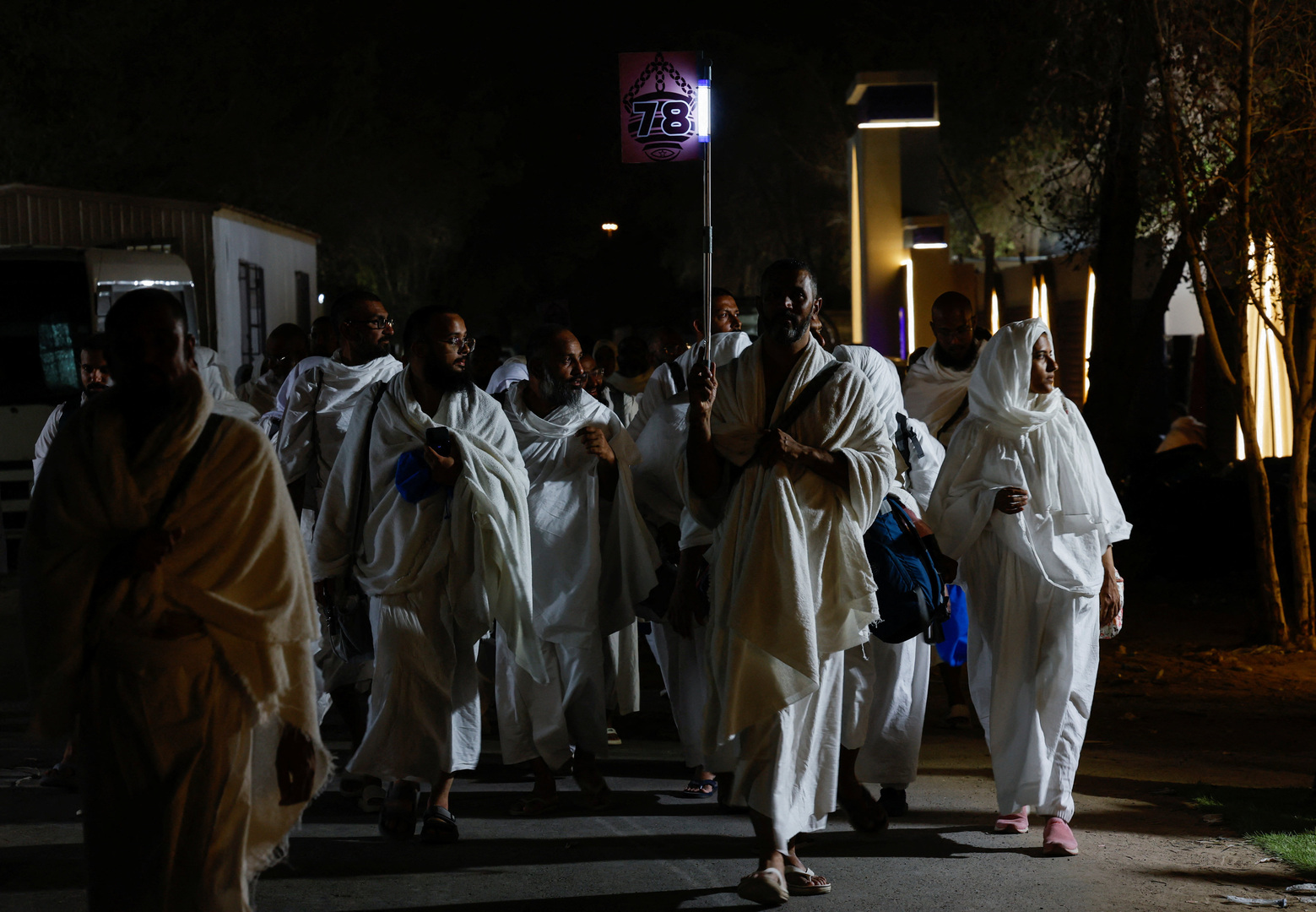
As part of the intricate rituals of the Hajj, pilgrims have begun their arrival in Mina. This valley, situated a few kilometers east of the holy city of Mecca in Saudi Arabia, serves as a crucial staging point during the pilgrimage. Mina is famously known for housing thousands of white tents that provide temporary accommodation for pilgrims as they prepare for the subsequent rites. The gathering in Mina signifies the formal commencement of the main Hajj rituals, setting the stage for the intense spiritual journey ahead.
Anticipation of Arafah Day
The arrival of pilgrims in Mina is a precursor to one of the most pivotal days of the Hajj: Arafah Day. This day, typically observed on the 9th day of Dhu al-Hijjah, the twelfth and final month in the Islamic calendar, is considered the peak of the Hajj. On Arafah Day, pilgrims gather on the plains of Mount Arafat, where they spend the entire day in prayer, supplication, and reflection. It is a day of intense devotion, seeking forgiveness, and spiritual renewal, believed to be when God's mercy is most abundant.
The journey to Mina and the subsequent stay on Arafah symbolize a profound commitment to faith, echoing the traditions established by Prophet Muhammad (PBUH) and Prophet Ibrahim (AS).
The Rituals of the Hajj
The Hajj encompasses a series of rituals performed over several days. After arriving in Mina, pilgrims spend a night there before proceeding to Mount Arafat. Following Arafah Day, they move to Muzdalifah to collect pebbles for the symbolic 'Stoning of the Devil' ritual (Ramy al-Jamarat) performed back in Mina. This sequence of events, along with circumambulating the Kaaba (Tawaf) and performing the ritual walk between Safa and Marwa (Sa'i) in Mecca, constitutes the core components of the pilgrimage. Each ritual holds deep historical and spiritual significance, guiding pilgrims through a transformative experience.
Logistical Challenges and Preparations
Organizing the Hajj for millions of pilgrims annually presents immense logistical challenges for the Saudi Arabian authorities. Extensive preparations are made each year to ensure the safety, comfort, and well-being of all participants. This includes managing transportation, accommodation, health services, and crowd control. The scale of the operation is vast, requiring meticulous planning and coordination to facilitate a smooth and secure pilgrimage for individuals from all corners of the globe.
Global Significance of the Hajj
Beyond its individual spiritual importance, the Hajj holds significant global implications. It is a powerful demonstration of Islamic unity, bringing together people of diverse nationalities, cultures, and socio-economic backgrounds under a common spiritual purpose. The pilgrimage fosters a sense of brotherhood and sisterhood among Muslims worldwide, reinforcing shared values and traditions. The images of millions of pilgrims dressed in simple white garments (ihram) performing rituals together resonate globally, highlighting the universal aspects of faith and devotion.
Source: Al Jazeera
Related Articles
 world
world
Escalating Tensions Threaten US-Iran Diplomatic Efforts Amid Drone Incident
 world
world
Bolivia Sees Heightened Tensions as Protests Converge on Presidential Palace
 world
world
Canadian Official Criticizes Treatment of Gaza Flotilla Activists
 world
world