Community Spirit in 'Little Egypt'
The global spectacle of the World Cup transcends geographical boundaries, bringing together diverse communities in celebrations of sport and national identity. In New York City, particularly within the bustling neighborhood of Astoria, Queens, the Egyptian diaspora converges to partake in these festivities, transforming local establishments into vibrant hubs of cultural exchange and shared enthusiasm. This concentration of Egyptian culture has earned a section of Astoria the affectionate moniker 'Little Egypt,' a place where the aromas of traditional cuisine mingle with the cheers of football fans.
Kabab Cafe: A Culinary and Cultural Anchor
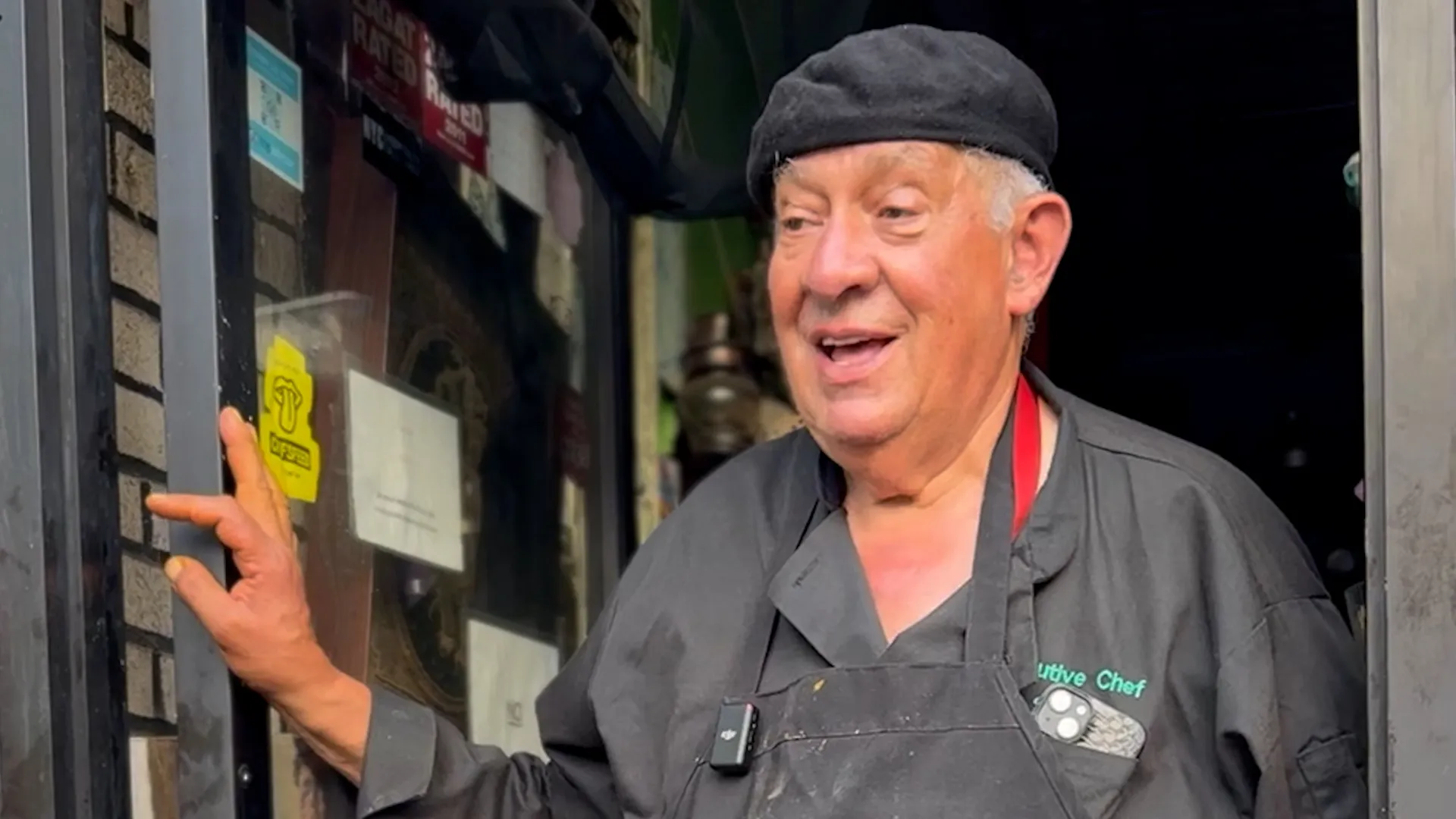
At the heart of 'Little Egypt's' World Cup celebrations is Kabab Cafe, an establishment that has become synonymous with authentic Egyptian flavors and a strong sense of community. The cafe, under the stewardship of its owner, Ali El Sayed, serves not merely as a dining spot but as a vital cultural anchor for the Egyptian community in New York. El Sayed's dedication extends beyond the preparation of traditional dishes; he actively works to preserve and promote Egyptian culinary heritage, ensuring that the younger generations and newcomers alike can experience a genuine taste of home.
The atmosphere within Kabab Cafe during a World Cup match is described as electric. It's a place where the passion for football intertwines seamlessly with national pride and the warmth of community. Diners and patrons gather to watch games, sharing not just meals but also the collective emotions of victory and defeat. This shared experience strengthens communal bonds, creating a supportive and celebratory environment that resonates deeply with those far from their native land.
The Intersection of Food, Football, and Heritage
The World Cup provides a unique platform for the convergence of several key elements: food, football, and national heritage. For the Egyptian community in Astoria, these elements are inextricably linked. The enjoyment of a football match is often accompanied by the consumption of traditional Egyptian dishes, which for many, evokes memories of family gatherings and celebrations back home. This sensory experience—the taste of familiar food, the sound of the crowd, and the visual spectacle of the game—creates a powerful connection to their roots.
Ali El Sayed's efforts at Kabab Cafe are pivotal in maintaining this connection. By upholding the authenticity of his cuisine, he ensures that the cafe remains a beacon of Egyptian culture. His establishment becomes a gathering point where stories are shared, traditions are passed down, and national identity is reaffirmed. This is particularly important for first and second-generation immigrants who seek to maintain a strong link to their ancestral homeland while navigating life in a new country.
Astoria: A Microcosm of Global Connections
Astoria, with its diverse population, exemplifies how global events like the World Cup can foster a sense of unity and shared humanity within local communities. 'Little Egypt' stands out as a testament to the enduring power of culture and sport to bring people together. The celebrations witnessed here are not unique to the Egyptian community; similar scenes unfold in various ethnic enclaves across New York City and indeed, around the world, as different nationalities rally behind their teams.
The World Cup, beyond being a sporting competition, acts as a catalyst for cultural expression and community building. It offers an opportunity for communities to publicly display their heritage, share their traditions with others, and reinforce their collective identity. For the Egyptian community in Astoria, this means transforming local eateries and gathering spots into vibrant extensions of their homeland, if only for the duration of the tournament.
Sustaining Cultural Identity Through Shared Experiences
The role of establishments like Kabab Cafe extends beyond mere commerce; they are crucial in sustaining cultural identity in a diaspora. By providing a space where people can celebrate their heritage, speak their language, enjoy their traditional foods, and cheer for their national team, these cafes become invaluable community assets. Ali El Sayed's commitment to this mission ensures that 'Little Egypt' continues to thrive as a hub of Egyptian culture and a welcoming space for all who wish to experience it.
The World Cup, therefore, is not just about football; it's about community, culture, and connection. It's about how a global event can resonate on a very local level, bringing people together in shared moments of joy, anticipation, and national pride, reinforcing the bonds that tie them to their heritage and to each other.
Source: Original Article