
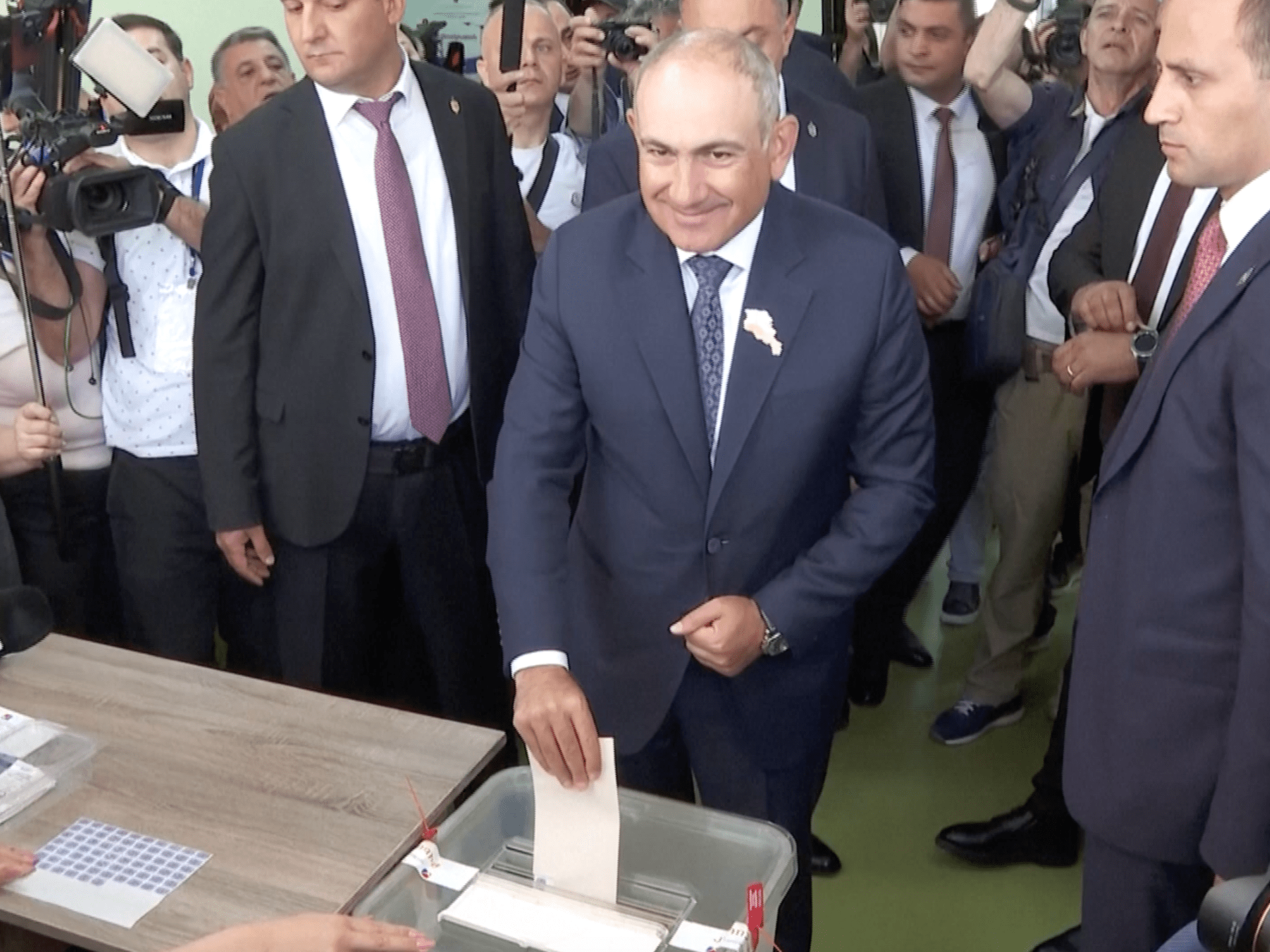
Armenia's Snap Election Results in Claimed Victory for Pashinyan
Armenian Prime Minister Nikol Pashinyan has announced his party's success in the snap parliamentary elections held recently, suggesting a renewed mandate for his leadership. This declaration comes at a critical juncture for Armenia, following a period of intense political unrest and national introspection prompted by the Nagorno-Karabakh conflict.
Background to the Elections
The decision to hold early elections was a direct response to the political crisis that engulfed Armenia after the ceasefire agreement in the Nagorno-Karabakh region in November 2020. That agreement, which saw significant territorial concessions to Azerbaijan, triggered widespread protests and calls for Pashinyan's resignation. Opposition factions accused the Prime Minister of mismanaging the conflict and betraying national interests, leading to a prolonged period of political instability.
Pashinyan, who initially rose to power through the 'Velvet Revolution' of 2018 on an anti-corruption platform, resisted calls to step down immediately. Instead, he opted for snap elections, framing them as an opportunity for the Armenian populace to either reaffirm their trust in his government or choose a new direction. This move was seen as a high-stakes gamble, as public sentiment was deeply divided, with many blaming him for the military defeat while others argued he had inherited a difficult situation and made the best of a bad hand.
The Electoral Landscape and Key Contenders
The election campaign was marked by heated rhetoric and sharp divisions. Pashinyan's Civil Contract party focused on a narrative of continuing reforms and stabilizing the country, despite the recent setbacks. They emphasized their commitment to democratic principles and highlighted efforts to combat corruption, which had been a cornerstone of their original mandate.
The primary opposition challenge came from a bloc led by former President Robert Kocharyan, 'Armenia Alliance.' Kocharyan's platform centered on strong criticism of Pashinyan's handling of the Nagorno-Karabakh conflict, promising a more assertive foreign policy and a return to what he described as traditional Armenian values. Another significant force was the 'I Have Honor' Alliance, led by another former President, Serzh Sargsyan, which also positioned itself as a strong alternative to Pashinyan's government.
The election presented voters with a stark choice between maintaining the current leadership, albeit with a tarnished image from the conflict, or returning to figures from Armenia's past political establishment, many of whom faced their own accusations of corruption and authoritarian tendencies during their tenures.
Pashinyan's Declaration and Implications
Following the counting of votes, Prime Minister Pashinyan declared his party the winner. While the official results from the Central Election Commission were still being finalized at the time of his announcement, Pashinyan's statement indicated a significant lead for the Civil Contract party. Such a victory would provide him with a renewed mandate to form a government and tackle the myriad challenges facing Armenia.
The implications of this outcome are substantial. A Pashinyan-led government would likely continue its efforts to reform the judiciary and public administration, while also navigating the complex geopolitical landscape of the South Caucasus. The country faces urgent tasks, including addressing the humanitarian consequences of the Nagorno-Karabakh conflict, rebuilding its military, and fostering economic recovery. Furthermore, the future of relations with neighboring Azerbaijan and regional powers like Russia and Turkey will remain a critical foreign policy concern.
“The people of Armenia have made their choice, and that choice is democracy and a strong future for our nation,” Pashinyan stated, emphasizing the democratic process as a path forward for the country.
However, the political divisions that characterized the election campaign are unlikely to disappear overnight. Opposition parties may challenge the results or continue to exert pressure on the government, ensuring that the political environment in Armenia remains dynamic and potentially volatile. The country's path forward will depend heavily on the ability of its political leadership to unite a fractured society and address the profound challenges it faces both domestically and internationally.
Source: Al Jazeera
Related Articles
 world
world
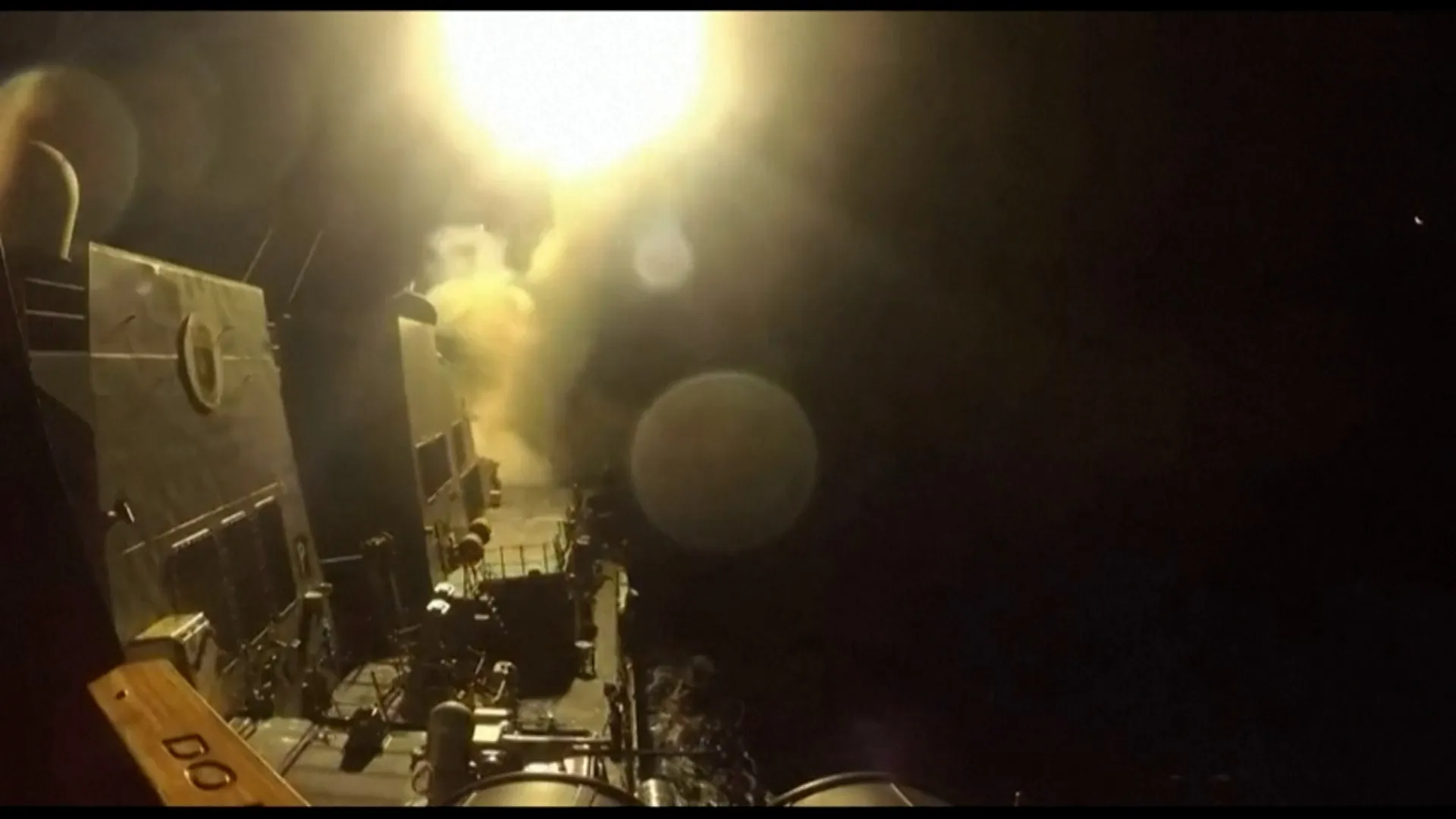
US Central Command Publishes Footage of Strikes Against Iranian Targets
 world
world
Allegations of Sexual Violence Surface in Israeli Detention Facilities
 world
world
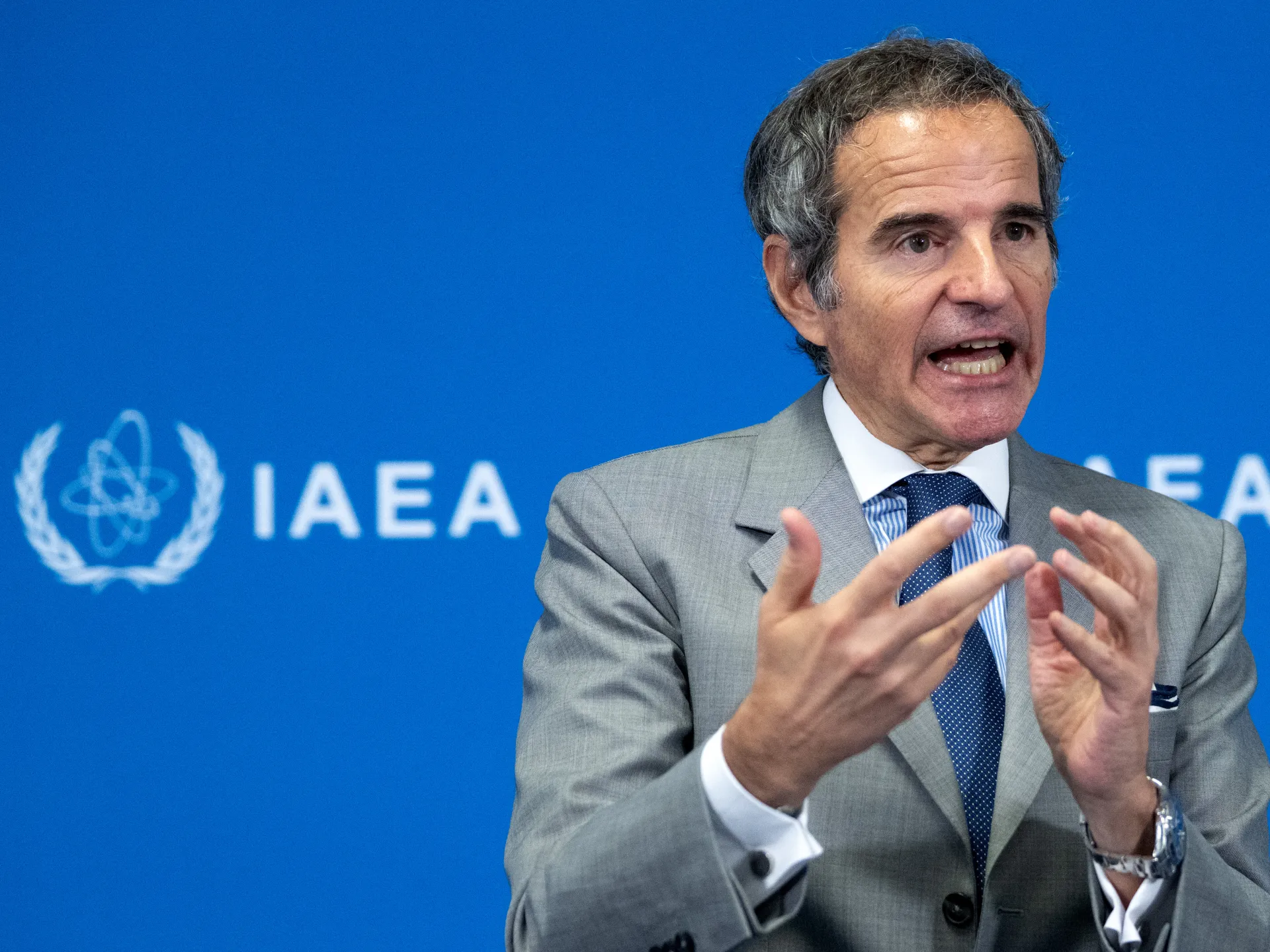
UN Watchdog Demands Iran Account for Enriched Uranium Stockpiles Amid Regional Tensions
 world
world