

Overview of the Conflict's Commencement
On February 28, a significant shift occurred in the geopolitical landscape, as the United States, in collaboration with Israel, initiated direct military action against Iran. This move diverged from previous strategies of proxy conflicts or limited retaliatory strikes, signaling a declared intention to dismantle Iran's military capabilities and terminate its nuclear ambitions. One hundred days into this conflict, discussions are emerging regarding the outcomes achieved and the ongoing commitment required to see the objectives through.
Key Achievements and Their Impact
According to reports, several critical Iranian strategic assets have been severely impacted. Iran's ballistic missile program, which has long been a central component of its defense and a significant regional deterrent, is stated to have been largely neutralized. Furthermore, its naval forces have reportedly suffered substantial losses. Major nuclear facilities at Fordow, Natanz, and Isfahan, which represented decades of investment and effort, are reported to have been destroyed. Assessments, including those cited from the International Atomic Energy Agency, indicate extensive damage, effectively halting Iran's nuclear weapons development project, which had been a generational endeavor.
The degradation of Iran's military infrastructure is expected to have long-term repercussions, requiring years for potential recovery.
Changes in Leadership and Internal Dynamics
A notable development in the conflict's initial phase was the reported death of Iran's Supreme Leader, Ali Khamenei, early in the war. Khamenei, who had led the Islamic Republic for 37 years, was central to its theological, strategic, and political direction. His leadership was instrumental in supporting groups like Hezbollah, Hamas, the Islamic Revolutionary Guard Corps (IRGC) in Syria, and Houthi forces. His demise is seen by some as a pivotal event, potentially altering the internal dynamics of the Iranian regime.
While some critics argue that a full regime change has not yet materialized, proponents suggest that the process of decline for totalitarian regimes is gradual. They point to significant changes within the Islamic Republic since February 27, including the reported elimination of its Supreme Leader, the deaths of numerous senior officials, and the severe disruption of the IRGC's command structure. The Iranian economy, already facing challenges, has reportedly sustained an estimated $270 billion in damages, with its currency experiencing a severe downturn. Reports of public celebrations in Tehran following Khamenei's death are cited as indicators of potential internal shifts.
Evaluating Costs and Alternatives
The conflict has incurred substantial costs, a fact not disputed by observers. However, the argument is made that these costs must be weighed against the perceived alternatives. Critics of the intervention are challenged to present viable alternatives to the military action, such as continued nuclear negotiations, further sanctions, or 'maximum pressure' campaigns, which some argue have proven ineffective in moderating Iran's actions or halting its nuclear progress over the past four decades.
The Islamabad ceasefire agreement is interpreted by some as a sign of Iran's desperation, stemming from a weakened military and a hemorrhaging economy, rather than a position of strength. The ongoing naval blockade of the Strait of Hormuz is characterized as a significant economic burden on Tehran, costing an estimated $500 million daily, further diminishing the regime's capacity for sustained resistance. Iran's demands for reparations are viewed as a tactic to project defiance domestically rather than reflecting actual leverage in negotiations.
Conclusion on Initial Outcomes
After 100 days, the assessment from some perspectives is that the Islamic Republic, which was previously seen as a primary destabilizing force in the Middle East with advanced missile capabilities, a near-nuclear program, and extensive proxy networks, has undergone significant changes. Its Supreme Leader is reportedly deceased, its arsenal is described as shattered, its nuclear program is in ruins, and its finances are being depleted by a naval blockade. This outcome is presented as a demonstration of applied US power, acknowledging its discomfort and expense, but ultimately deemed a historically significant achievement by some strategic measures. The remaining work is acknowledged as challenging, but the initial accomplishments are considered undeniable by those who support the intervention.
Source: The accomplishments of 100 days of war on Iran are undeniable
Related Articles
 world
world
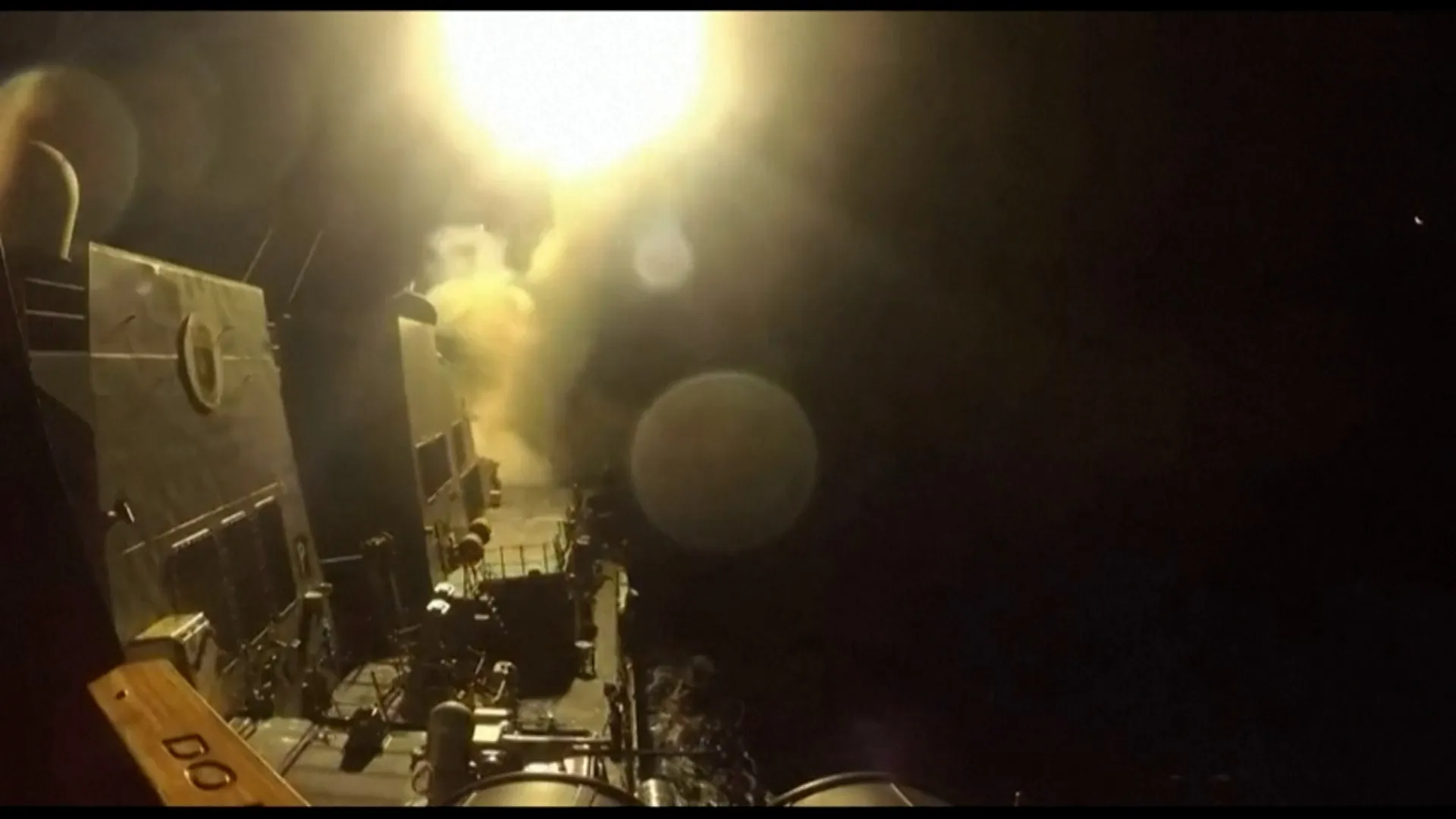
US Central Command Publishes Footage of Strikes Against Iranian Targets
 world
world
Allegations of Sexual Violence Surface in Israeli Detention Facilities
 world
world
UN Watchdog Demands Iran Account for Enriched Uranium Stockpiles Amid Regional Tensions
 world
world