
A Tragic Anniversary and Lingering Questions
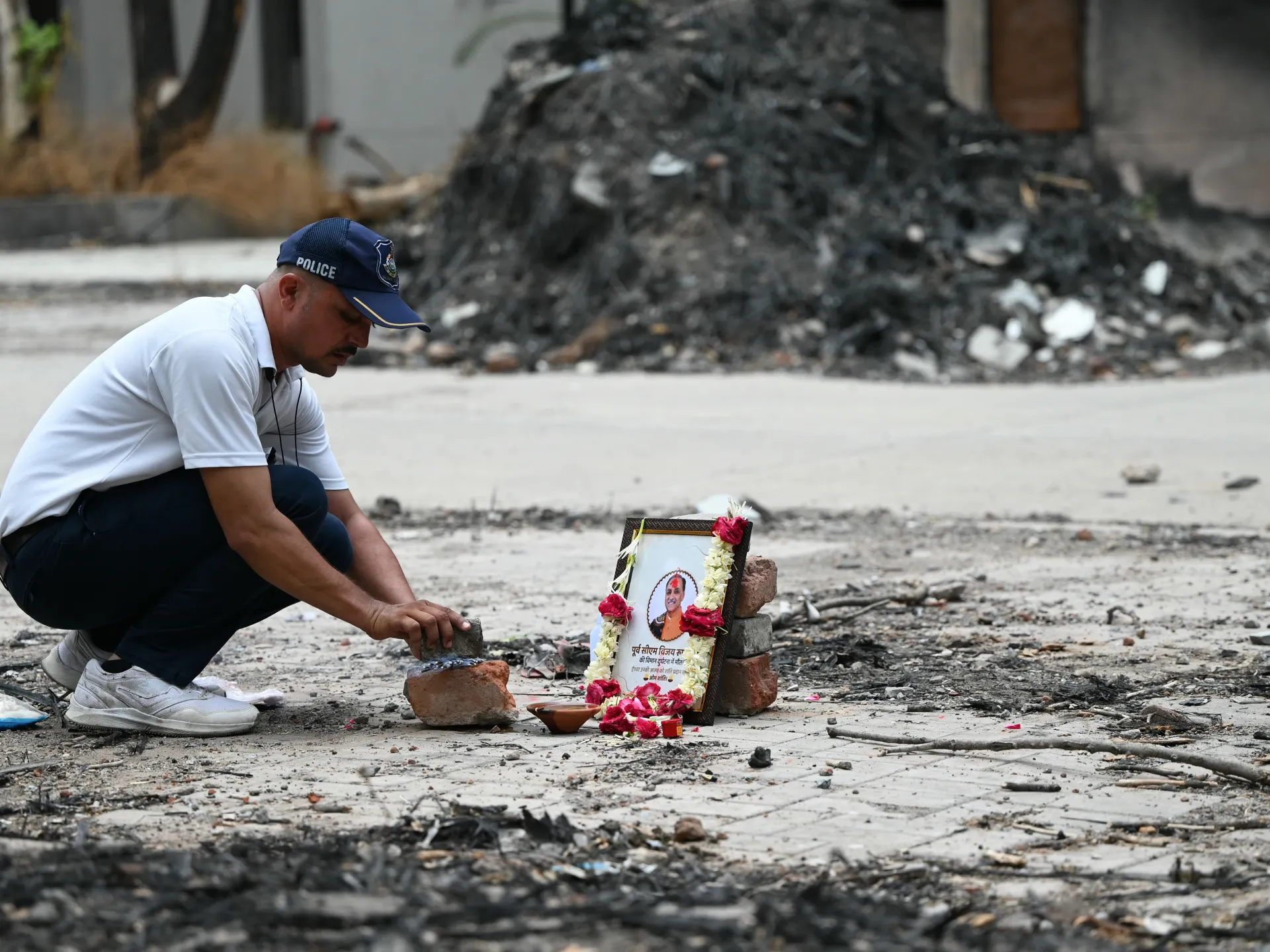
Friday marked the solemn first anniversary of the Air India Boeing 787 Dreamliner crash, an event that claimed 260 lives in a densely populated suburb of Ahmedabad, Gujarat, India. Families of those who perished gathered at the crash site to commemorate their loved ones, their grief compounded by the ongoing wait for definitive answers regarding the cause of the disaster. The aircraft, Flight AI171, had been en route to London Gatwick when it went down shortly after takeoff from Ahmedabad’s international airport.
Indian authorities are anticipated to release an interim report in the coming days, a development that has been met with frustration by victims' relatives. Many had hoped for a final, conclusive finding by this anniversary. International aviation regulations stipulate that a final report should be issued, if possible, within one year of an accident. Should an investigation extend beyond this timeframe, an interim statement is required on each anniversary.
The Catastrophic Event and Its Immediate Aftermath
Flight AI171, an Air India Boeing 787 Dreamliner, crashed into a medical college hostel in the residential area of Meghani Nagar, situated near the international airport on the outskirts of Ahmedabad. According to data from Flightradar24, the plane's final signal was received mere seconds after its 1:38 PM local time (08:08 GMT) takeoff. It ascended to an altitude of 625 feet (190 meters) before plummeting back to the ground outside the airport perimeter. Prior to the cessation of all communications, the aircraft had issued a mayday alert to air traffic control.
The human toll of the crash was devastating. Out of 242 individuals on board, all but one passenger perished. The fatalities included 169 Indian nationals and 52 British nationals. Additionally, 19 people on the ground were killed, bringing the total death toll to 260. Another 67 individuals in the vicinity of the crash site sustained injuries. The sole survivor from the aircraft was Vishwash Kumar Ramesh, a British national whose brother also died in the incident. Ramesh's representative, Sanjiv Patel, informed the UK's Guardian newspaper that Air India had provided £21,500 ($28,800) in compensation to Ramesh to support his wife and five-year-old son. The extent of similar payments to other affected families remains unclear.
On the anniversary, relatives of the victims convened at a conference organized by legal professionals, aviation, and air safety experts in Ahmedabad. A candlelight vigil was planned for after sunset.
Initial Findings and Controversies
This incident marked the first airliner crash involving a Boeing 787 Dreamliner, a model that commenced service in 2011. In compliance with international aviation protocols, India's Aircraft Accident Investigation Bureau (AAIB) published a preliminary report one month after the tragedy. This 15-page document indicated that the fuel supply to the jet's engines had been cut off moments before the crash, leading to speculation about potential pilot error. The report also included a brief exchange between the captain and co-pilot concerning the fuel supply being cut, which fueled theories of pilot suicide.
The preliminary report, however, drew significant criticism for its perceived shortcomings. It did not clarify why the fuel switches were deactivated, leaving open questions about whether it was a deliberate act by a pilot or a mechanical malfunction. Furthermore, the report did not issue any safety recommendations to Boeing or engine manufacturer GE Aerospace, suggesting that no technical issues were identified at that stage. The crash also occurred at a critical juncture for Air India's post-privatization revitalization efforts, which have faced challenges including supply-chain disruptions, an airspace ban imposed by Pakistan on Indian carriers, and more recently, the US-Israeli conflict in Iran.
The Ongoing Investigation and Calls for Transparency
As investigations continue, the AAIB is expected to release only an interim report at this point. The Federation of Indian Pilots union has been actively advocating for investigators to seek more comprehensive technical data from Boeing and Air India. Their aim is to facilitate a 'rebuttal of the pilot suicide theory' that the AAIB is reportedly exploring. Charanvir Randhawa, the union's president, expressed concerns at a press conference in Ahmedabad, stating that an interim report alone 'will cause more speculation and more misunderstanding.' He added, 'We have requested the Indian government and India’s Aircraft Accident Investigation Bureau (AAIB) not to come out with any interim report.'
Last year, Reuters reported on early assessments by US officials, which suggested that a cockpit recording of the dialogue between the two pilots supported the view that the captain cut the fuel flow to the engines. However, the AAIB maintained at the time that it was 'too early to reach any definite conclusions.' Sources familiar with the investigation, who requested anonymity due to the sensitive nature of the information, revealed that investigators conducted engine testing in April and visited France last month as part of their analysis of the engine management unit. Bloomberg also reported on Thursday that the final report into the crash is anticipated within the next three months, following the completion of studies on the engines, which were sent to the United States for examination.
The captain's father has appealed to India's top court, requesting an independent investigation that would explore potential causes beyond deliberate pilot action. This specific cause has been suspected in other fatal crashes, notably confirmed in the 2015 Germanwings Flight 9525 incident, which resulted in the deaths of all 150 people on board after crashing into the French Alps.
Source: A year after Air India crash killed 260: Do we know what happened?
Related Articles
 news
news
International Courts Scrutinize 'Battlefield Evidence' in Prosecutions of Palestinian Activists
 news
news
Fatal B-52 Bomber Crash Claims Eight Lives in Southern California
 news
news
Australia Braces for Potentially Historic El Niño Event
 news
news