
Discovery and Salvage Operation
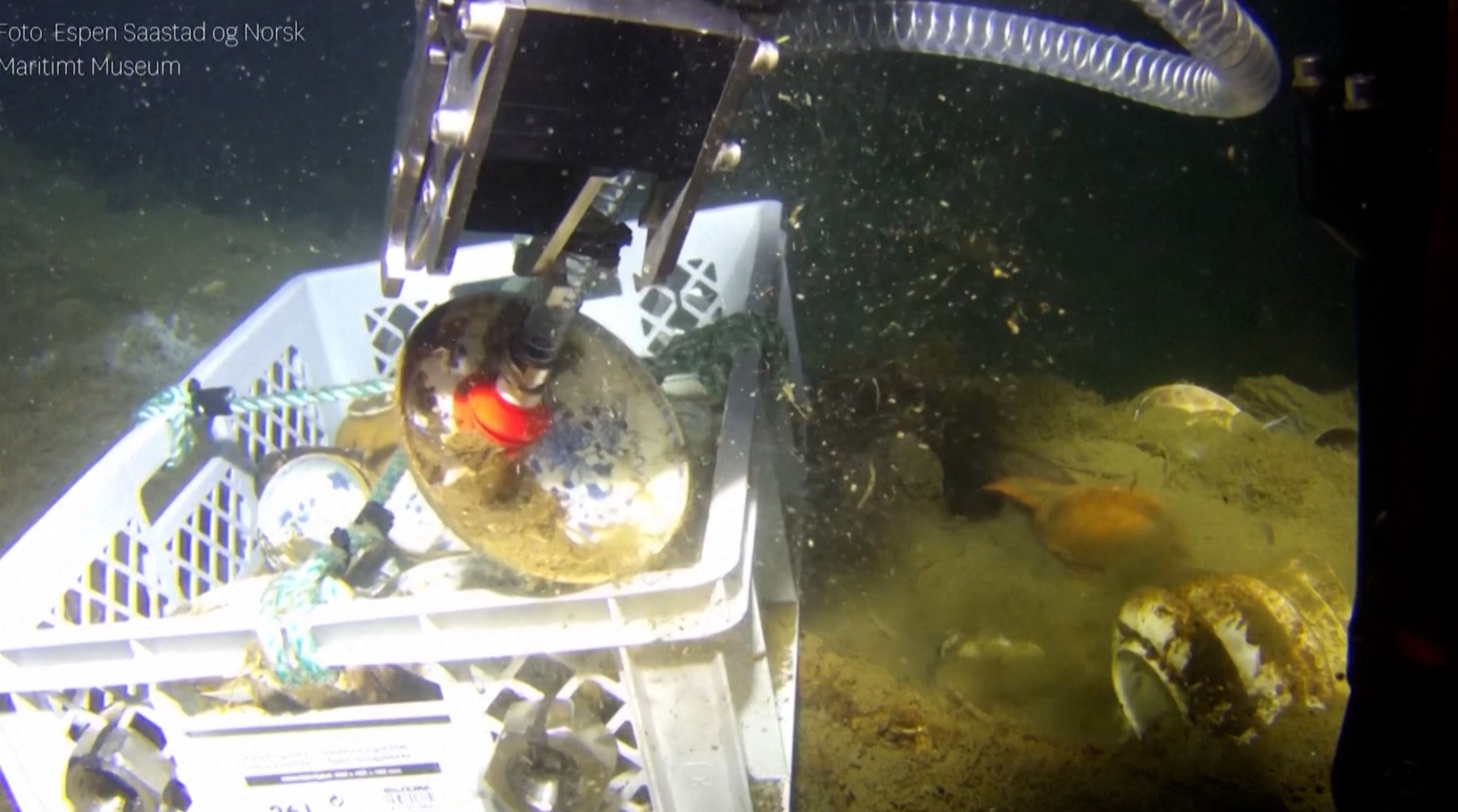
An archaeological expedition off the southern coast of Norway has successfully salvaged an 18th-century shipwreck, bringing to light a remarkable collection of historical items. The discovery and subsequent recovery operation have captivated researchers and historians, providing a tangible link to the maritime activities and trade networks of centuries past.
The vessel, believed to have sunk sometime in the 1700s, was found in relatively good condition, preserved by the cold, deep waters of the Norwegian coast. Initial reports indicate that the salvage efforts were meticulous, ensuring the careful retrieval of delicate artifacts that had lain undisturbed for hundreds of years. This careful approach is crucial for minimizing damage and maximizing the scientific value of the recovered items.
Significant Finds: Porcelain and European Goods
Among the most notable items recovered from the wreck are pieces of Chinese porcelain. The presence of such items underscores the extensive global trade routes that were active even in the 18th century, connecting distant continents through seafaring commerce. Chinese porcelain was highly prized in Europe during this period, often serving as a status symbol for the wealthy.
The discovery of Chinese porcelain on a European shipwreck highlights the intricate global trade networks that characterized the 18th century, demonstrating a significant demand for exotic goods in European markets.
In addition to the Asian imports, archaeologists also found various European goods, including a chandelier. While specific details about the chandelier's origin or material have not yet been fully disclosed, its recovery suggests the ship may have been carrying luxury items or furnishings, possibly destined for a wealthy household or public building. The combination of both Eastern and Western artifacts on a single vessel paints a vivid picture of the diverse cargo that ships of this era would transport.
Historical Context and Future Research
The 18th century was a period of significant maritime expansion and trade, driven by colonial ambitions, growing economies, and the desire for new markets and resources. Ships like the one recently salvaged played a vital role in connecting different parts of the world, facilitating the exchange of goods, ideas, and cultures.
Researchers anticipate that further analysis of the shipwreck and its contents will yield valuable information about shipbuilding techniques of the era, the specific trade routes used, and the daily lives of the sailors who manned these vessels. The condition of the artifacts, particularly the organic materials that may have been preserved, could offer unprecedented insights into the past.
The Importance of Underwater Archaeology
Underwater archaeology presents unique challenges and opportunities. Unlike land-based excavations, marine environments often preserve organic materials far better due to the absence of oxygen and light. This can lead to the discovery of items that would otherwise disintegrate on land, such as textiles, wood, and even food remnants.
The success of this Norwegian salvage operation underscores the importance of continued investment in marine archaeological research. Each shipwreck discovered and studied adds another piece to the complex puzzle of human history, enriching our understanding of past societies, economies, and technological advancements.
As the recovered artifacts undergo conservation and detailed study, the archaeological community eagerly awaits the full findings, which promise to shed new light on the maritime history of Norway and the broader European trade landscape of the 18th century.
Source: Al Jazeera
Related Articles
 world
world
Escalating Tensions: Assessing the Impact of Recent Ceasefire Efforts in Lebanon
 world
world
Gaza Residents Begin Cleanup Following Overnight Israeli Strikes
 world
world
France Initiates Investigation into Allegations of Mistreatment of Gaza Aid Flotilla Activists
 world
world