
A New Chapter for Pakistani Football Identity
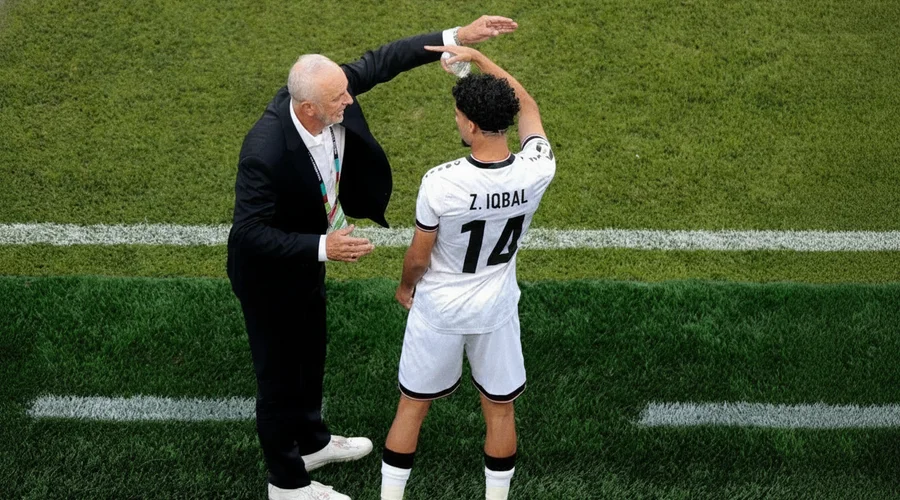
The recent FIFA World Cup match between Iraq and Norway, which concluded in a 4-1 victory for Norway, held particular significance not for the scoreline itself, but for a moment of historical importance for the Pakistani diaspora. While Erling Haaland's two goals on his World Cup debut secured a comfortable win for Norway in Group I, the focus for many shifted to the 59th minute when Zidane Iqbal entered the field for Iraq at Boston Stadium in Foxborough, Massachusetts.
This substitution marked a pivotal moment: Iqbal became the first player of Pakistani heritage to ever feature in a FIFA World Cup. For a nation like Pakistan, whose national football team has never qualified for the prestigious tournament and currently ranks 198th globally, this event offered a unique connection to the world stage. For decades, over 250 million Pakistanis have observed football's premier event from afar. Iqbal's debut, through a complex set of circumstances, changed that narrative, providing a tangible link to the global spectacle.
A Heritage Spanning Three Nations
Zidane Ammar Iqbal, born on April 27, 2003, in Manchester, England, possesses a rich multicultural background. His father, Aamar, hails from Sahiwal in Pakistan's Punjab province, while his mother, Ayat, was born in southern Iraq. Growing up in England, Iqbal had the eligibility to represent any of these three nations: England, Pakistan, or Iraq. His eventual decision to play for Iraq was not pre-meditated but rather emerged organically.
The connection with Iraq began through social media, specifically a prominent Instagram account that tracks individuals of Iraqi descent worldwide. This platform reached out to Iqbal to verify rumors about his heritage. This initial contact eventually led to the Iraq Football Association becoming aware of him. They initiated contact, engaging in a series of video calls with Iqbal and his parents to persuade him to join their national team.
When questioned by The Athletic about his choice, Iqbal cited the overwhelming support and affection he received from Iraqi fans globally, coupled with the persistent efforts of the Iraqi FA to recruit him. He emphasized that such a display of dedication naturally fosters a sense of belonging and commitment. Interestingly, Iqbal had never visited Iraq prior to receiving an under-23 call-up in 2021. He openly acknowledged the initial culture shock but noted that with repeated visits, Iraq gradually transitioned from being merely a part of his heritage to feeling like a true home.
The Road Less Traveled and Its Implications
Iqbal's football journey began at a young age, joining Manchester United's academy at eight and spending twelve years within their system. In December 2021, at just 18 years old, he achieved another significant milestone, becoming the first British South Asian player in almost two decades to make an appearance for Manchester United in the UEFA Champions League. However, consistent first-team opportunities at United proved elusive. This led him to make a move to FC Utrecht in the Dutch Eredivisie for approximately 1 million euros ($1.1 million).
His contributions to Iraq’s rigorous 21-match qualification campaign for the World Cup, including a crucial winning goal against Indonesia, solidified his position as a central figure in the team's plans. The Pakistan Football Federation (PFF) had been aware of Iqbal's progress, but according to Ali Ahsan, editor of FootballPakistan.com, the structural disparities between the two football systems were too vast for Pakistan to truly compete for his allegiance.
Ahsan highlighted the significant challenges facing Pakistani football, including difficulties in attracting players from larger clubs, a low FIFA ranking, and the absence of a professional football infrastructure. He pointed out the PFF's lack of a technical director or dedicated national team recruitment staff. For Iqbal, the decision to choose Iraq was driven by the opportunity to participate in major tournaments, an experience he likely would not have had with Pakistan.
While Iqbal's choice was pragmatic for his career, Ahsan suggested that a different path could have had a profound impact on Pakistani football. Had he chosen Pakistan, while still at Manchester United, he could have significantly elevated the sport's profile internationally, spurred discussions about necessary improvements, and inspired a new generation of Pakistani children to pursue football more seriously. Iraq, in contrast, already boasts a well-established team, a rich history, a robust structure, and a dedicated fanbase.
Despite Iqbal's path diverging from representing Pakistan directly, his World Cup appearance remains a significant moment for the Pakistani community. Iqbal himself expressed hope that his achievement would inspire others: “I hope there are children – whether Asian, Arab, whatever you are – who watch that and think they can do it. It’s definitely possible. And if I’ve done it, why can’t they?”
Iraq is scheduled to face France next, followed by Senegal in their final group stage match on June 26. While expectations for their advancement are modest, their mere presence in the tournament, and Iqbal's historic debut, signify a notable achievement. The match against Norway resulted in a loss for Iraq, but for Pakistan, a new chapter in its footballing narrative was undeniably written.
Source: Zidane Iqbal: The footballer who gave Pakistan its first World Cup moment
Related Articles
 sport
sport
England Set to Kick Off World Cup 2026 Campaign Against Croatia in Dallas Showdown
 sport
sport
Austria Secures Tense Victory Over Jordan in World Cup Opener
 sport
sport
World Cup 2026: Anticipated Matches, Record Chases, and Global Viewing Challenges
 sport
sport