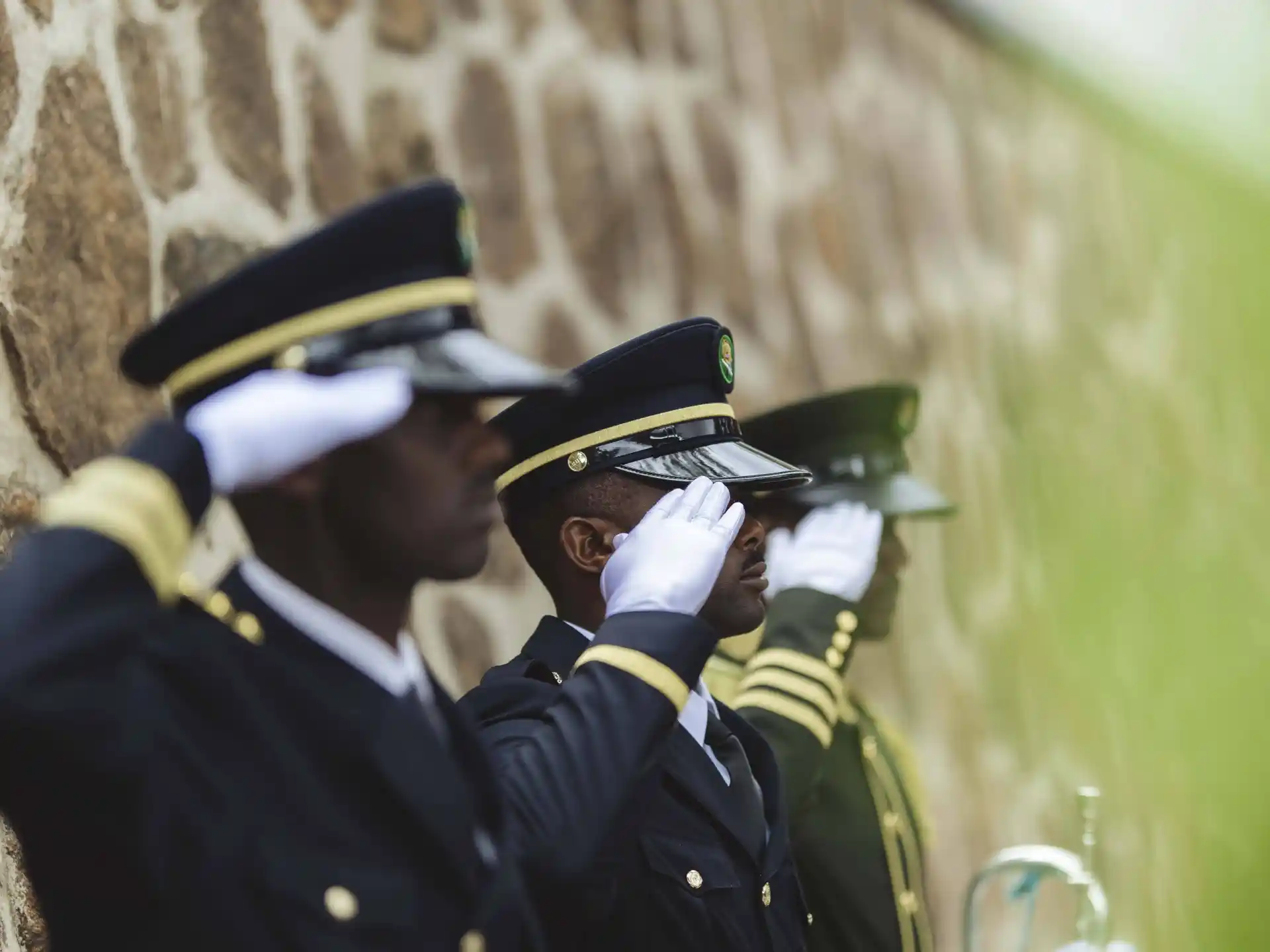
Reflecting on Liberation Day
For many young Rwandans, Liberation Day is a moment to not only look back at history but also to focus on the future. The annual commemoration marks the end of the 1994 genocide against the Tutsi, a period during which approximately 800,000 people lost their lives. While the day celebrates the military victory of the Rwanda Patriotic Front (RPF) led by President Paul Kagame, it also serves as a poignant reminder of the country's painful past.
Enduring Impact of History
Claudette Kamikazi, a 29-year-old shop owner in Kigali, was born after the genocide. Yet, she feels its presence in her everyday life. "My father has been in prison since I was a toddler," Kamikazi shared, reflecting on how her mother's survival and her father's imprisonment have shaped her understanding of liberation. Her story highlights the complexities of Rwanda's history, where some Hutu extremists participated in violence against their own families, while others acted heroically to protect loved ones.
Kamikazi's father was sentenced to life imprisonment in 1998 for his involvement in the genocide. For her, liberation is about her mother's survival and her own life, yet it also reminds her of her father's incarceration. "It's a difficult feeling to explain," she conveyed.
Economic Growth and Challenges
Since Kagame's rise to power in 2000, Rwanda's recovery has been portrayed as a comprehensive national project. The government emphasizes unity and economic transformation as key components of its post-genocide strategy. Over the past decade, Rwanda's economy has grown at an average rate of about seven percent annually, largely due to investments in tourism, technology, mining, and agribusiness.
However, not all young people have felt the benefits of this progress. Christopher Teganya, a 26-year-old with a master's degree, remains unemployed. "Liberation was a great start for a new Rwanda, but the government needs to do more," he said. With youth unemployment at approximately 14 percent, creating enough jobs for the younger generation is a significant challenge for the government.
"We honour Liberation Day as an important part of our history, but everything loses its meaning when you don’t see a future," Teganya remarked.
Social Issues and Criticisms
Rwanda's development has not been without controversy. Rights groups have criticized the government for restricting political opposition, freedom of expression, and civic space. The trial of opposition leader Victoire Ingabire exemplifies the ongoing debates about political freedoms in the country.
Invisible Wounds
For Sabrine Gatesi, a 30-year-old nurse, liberation is about healing from the psychological scars left by the genocide. "Liberation is more about healing from wounds we cannot see but live with every day," she explained. According to Rwanda's health authorities, one in five people in the country suffers from a mental health disorder, with the rate exceeding 50 percent among genocide survivors.
Despite the country's transformation, the shortage of mental health professionals remains a challenge. Gatesi believes that true liberation is ongoing, as the nation continues to heal from its traumatic past.
Looking Towards the Future
The Rwandan government views Liberation Day as an evolving project aimed at transforming the country into a high-income nation by 2050. Many young Rwandans find hope in the commitment to avoid the divisions that led to past violence. Kamikazi, for instance, anticipates her father's release from prison soon, a moment she believes will close a painful chapter in her life.
For Kamikazi, liberation embodies the sorrow of the past and the hope for a brighter future. "In it, I see mum who endured a genocide, I see dad that I knew as a prisoner but now hoping to see him a free man, and I see my shop, which defines my life today," she shared.
Source: Original Article