
The 2026 FIFA World Cup: A Semifinal Showdown
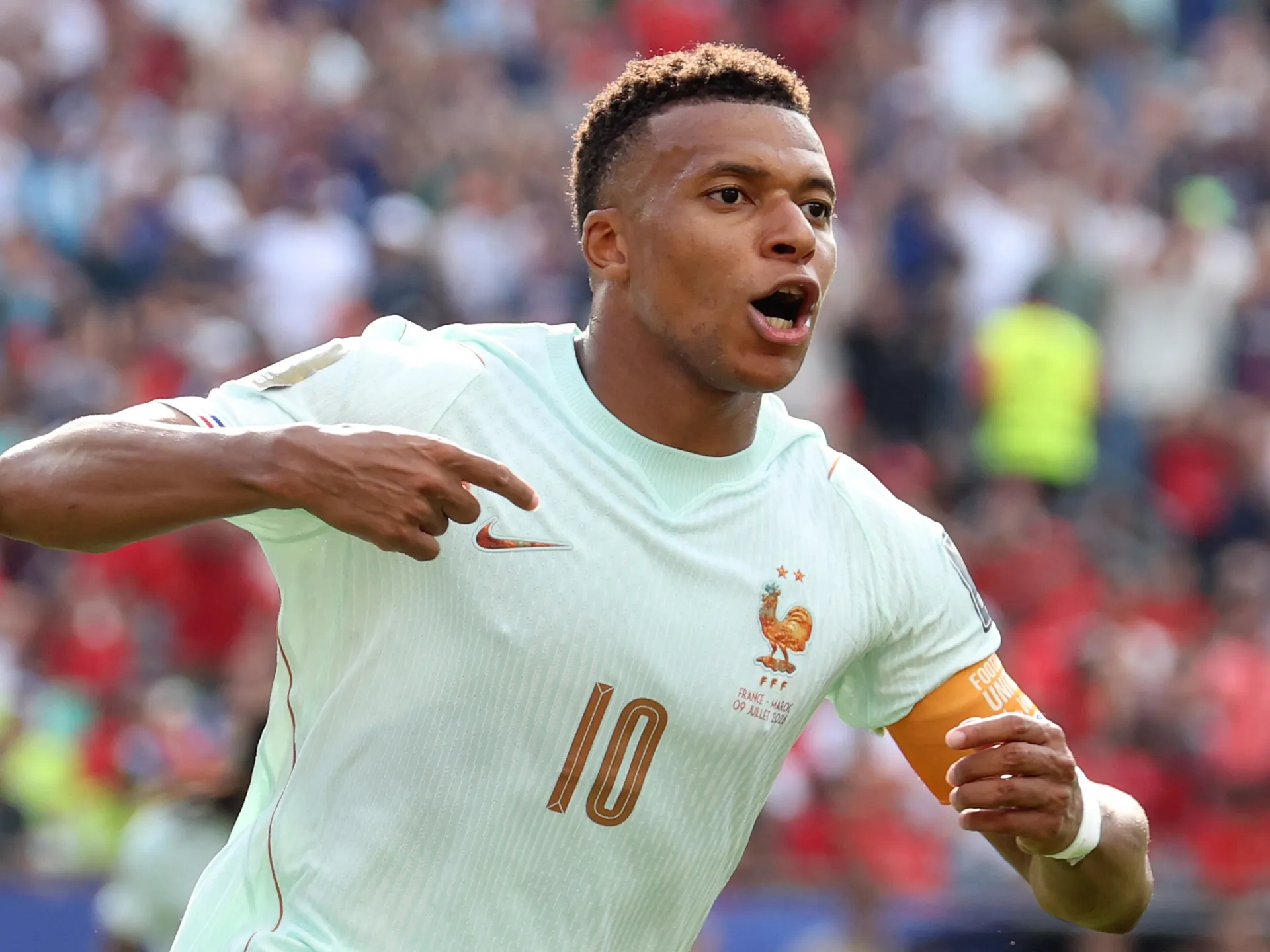
As the FIFA World Cup 2026 progresses, the semifinal stage presents a compelling scenario with France, Spain, England, and Argentina poised to compete for a place in the final. This lineup, featuring the top four ranked teams globally according to FIFA, has sparked considerable debate among football enthusiasts and analysts: could this be the most formidable semifinal bracket in World Cup history? The anticipation is high, especially with the prospect of a rematch between the 2022 finalists, Argentina and France.
The previous World Cup saw Argentina, led by Lionel Messi, clinch victory against a formidable French squad that had triumphed in 2018. Both teams navigated challenging paths to the final, overcoming Croatia and Morocco respectively. However, in 2026, they face equally strong contenders, raising the stakes for what promises to be an electrifying conclusion to the tournament.
The Elite Four of 2026
For the first time since FIFA rankings were introduced in 1992, the top four nations have all reached the semifinal stage. This unprecedented alignment of footballing powerhouses underscores the quality and competitive balance of this year's tournament.
- France: Currently holding the number one spot, France boasts an impressive roster, spearheaded by one of the world's most feared strikers, Kylian Mbappe. Their squad also features the reigning Ballon d'Or winner, Ousmane Dembele, adding significant attacking prowess.
- Argentina: Ranked second globally, Argentina is once again led by the iconic Lionel Messi. Having guided his nation to a successful title defense, Messi's pursuit of further glory could solidify his status as one of football's all-time greats.
- Spain: Occupying the third position, Spain's team includes the rising star Lamine Yamal from Barcelona. Their journey to the semifinals has been marked by a robust defense, and Yamal, having recovered from a calf injury that impacted his domestic season, is now expected to shine on the global stage, much like he did during Spain's Euro 2024 triumph.
- England: Despite being the lowest-ranked among the semifinalists, England is considered a strong contender for the title, second only to France. This expectation is largely due to the exceptional talents of Harry Kane and Jude Bellingham, with some suggesting Bellingham could become one of England's greatest players if he continues his impactful performances. There is also optimism that England's wide players will thrive as the competition progresses against more offensively minded opponents.
Historical Context: Previous Semifinal Lineups
To assess the current lineup's standing, it's beneficial to review past World Cup semifinals:
Russia 2018: France, Croatia, Belgium, England
France secured their second World Cup title by defeating debutant finalists Croatia. Croatia had unexpectedly overcome an England side that was itself a surprise semifinalist. Belgium, despite a long reign as the world's top-ranked team, ultimately fell short of their potential in major tournaments.
Brazil 2014: Germany, Argentina, Brazil, Netherlands
Germany claimed their fourth title after a stunning 7-1 victory over hosts Brazil in the semifinals. Lionel Messi, despite being named player of the tournament, couldn't inspire Argentina to victory in a tightly contested final against Germany, which followed a 1-0 semifinal win over the Netherlands.
Germany 2006: Italy, France, Netherlands, Portugal
This tournament's final was overshadowed by Zinedine Zidane's infamous head-butt. Italy eventually won their fourth title via penalties. While a young Cristiano Ronaldo made his World Cup debut, both Italy and France were seen as teams in decline after their 'golden generations'.
Italy 1990: West Germany, Argentina, Italy, England
Often cited as one of the least engaging World Cups in modern history due to its conservative play, this tournament saw West Germany, led by Lothar Matthaus and featuring prolific strikers Jurgen Klinsmann and Rudi Voller, overcome England in the semifinals and Diego Maradona's Argentina in the final. Salvatore Schillaci of Italy emerged as an unexpected Golden Boot winner.
Mexico 1986: Argentina, West Germany, France, Belgium
This tournament is largely remembered for Diego Maradona's brilliance, particularly his 'Hand of God' goal and his second, spectacular individual effort against England in the quarterfinals. Maradona's five goals were pivotal in Argentina's campaign.
West Germany 1974: West Germany, Netherlands, Brazil, Poland
This World Cup introduced the concept of 'Total Football' through Johan Cruyff and the Netherlands. However, the hosts, West Germany, ultimately claimed their second title. Brazil, following Pelé's retirement, began a period of decline.
Mexico 1970: Brazil, Italy, West Germany, Uruguay
The 1970 tournament showcased the revolutionary 'Brazilian way' of football. With Pelé leading a star-studded squad, Brazil demonstrated a level of pace, skill, and power that was significantly ahead of its time, securing their third World Cup title.
The Verdict: A New Benchmark?
The sheer concentration of talent across France, Spain, England, and Argentina in the 2026 semifinals is undeniable. With Lionel Messi's Argentina, the defending champions, even being considered outsiders in this elite group, it highlights the exceptional quality present. While past tournaments have featured legendary players and memorable moments, the current alignment of the top four FIFA-ranked teams suggests a unique and incredibly competitive scenario. The true measure of whether this is the 'best ever' will ultimately be determined by the quality of football played, as these teams navigate not only the elevated tactical standards globally but also the emergence of new footballing nations. With discussions already underway for a potential 64-team tournament in 2030, the current World Cup offers a captivating glimpse into the pinnacle of international football.
Source: Al Jazeera
Related Articles
 sports
Road to Glory: Assessing the Final Four Teams in the FIFA World Cup 2026 Semifinals
 sports
France and Spain Clash in Highly Anticipated World Cup Semifinal
 sports
Bellingham's Double Propels England to World Cup Semifinals
 sports