Tournament Heats Up with Quarterfinal Matches
The 2026 FIFA World Cup has reached its quarterfinal stage, with eight national teams securing their spots after a compelling Round of 16. This phase of the competition was marked by dramatic comebacks, intense penalty shootouts, and notable upsets, setting the stage for a series of high-stakes encounters. As the focus shifts to the upcoming matches, various controversies have continued to draw attention, including disputes over officiating and concerns about external influences impacting tournament decisions.
The teams that have advanced to the quarterfinals are Morocco, France, Norway, England, Spain, Belgium, Argentina, and Switzerland. These nations will compete in four highly anticipated matches scheduled across different venues in the United States, as the tournament progresses towards its climax.
Qualified Teams and Their Paths to the Quarterfinals
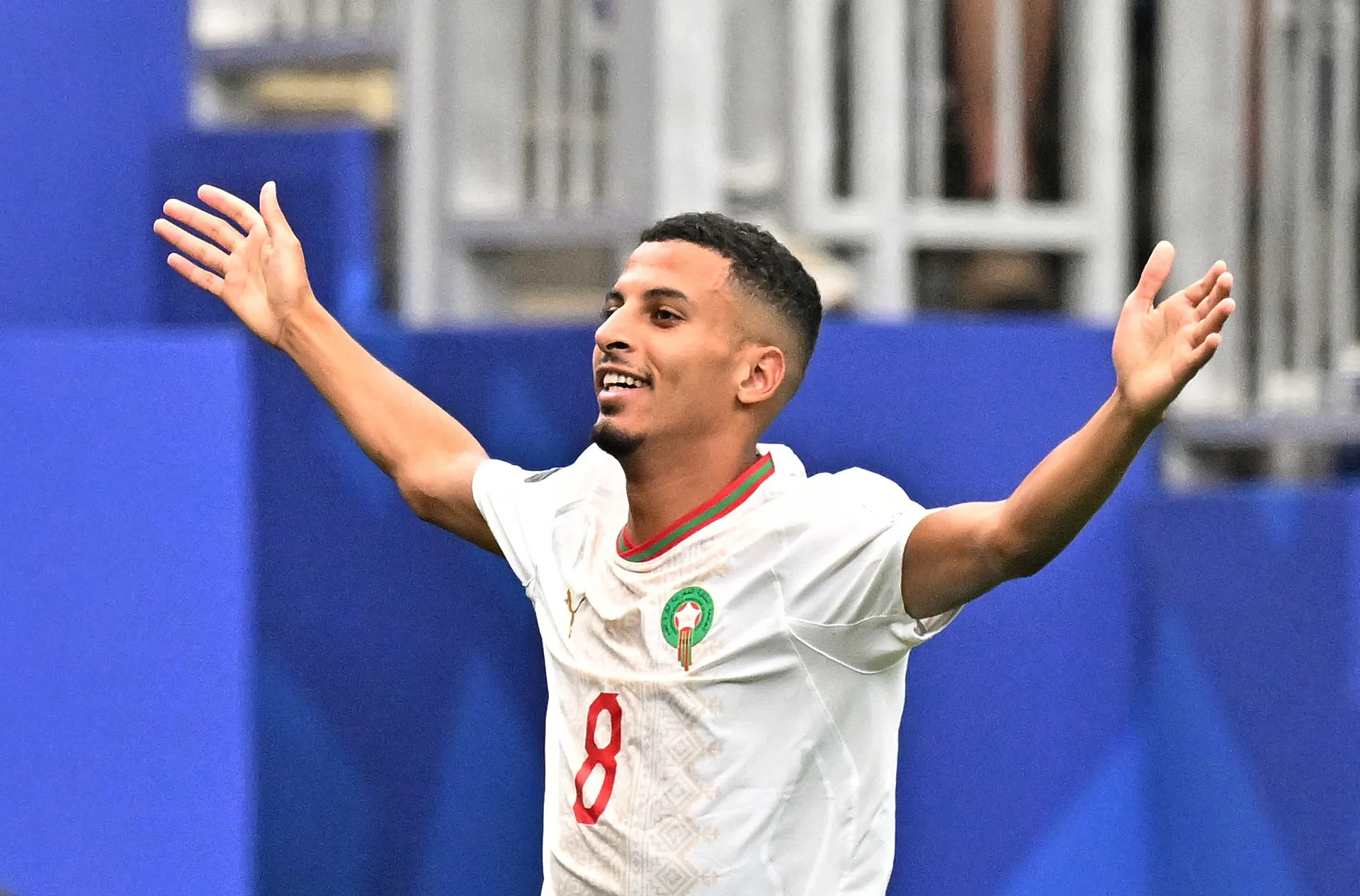
- Morocco: Advanced after a decisive 3-0 victory over Canada.
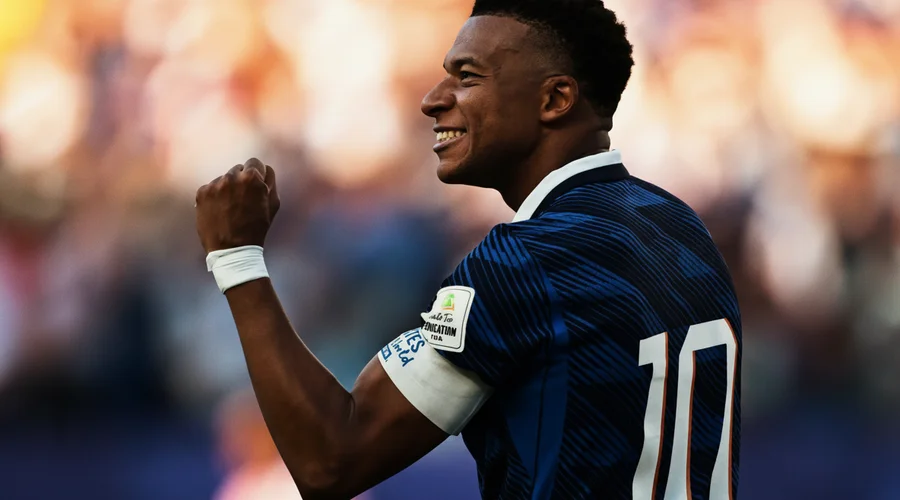
- France: Secured their spot by defeating Paraguay 1-0.
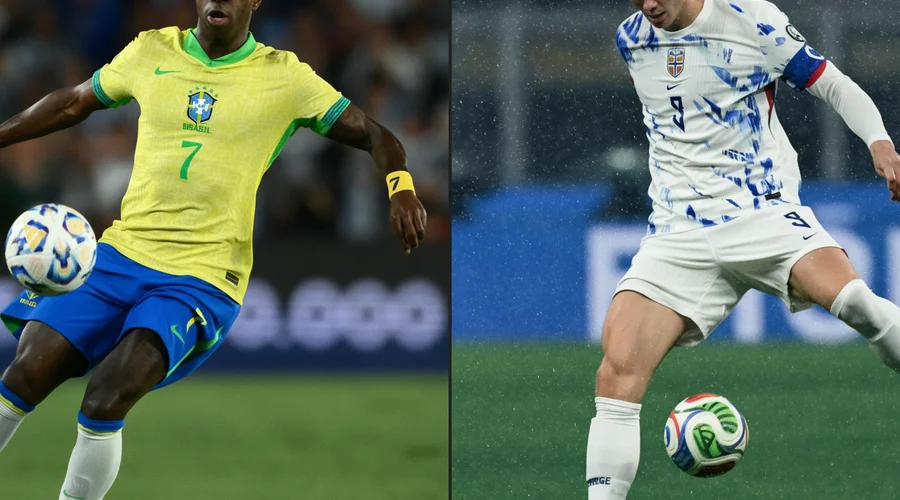
- Norway: Pulled off an upset with a 2-1 win against Brazil.
- England: Triumphed over Mexico with a 3-2 scoreline.
- Spain: Edged out Portugal with a 1-0 victory.
- Belgium: Overcame the USA with a 4-1 result.
- Argentina: Defeated Egypt in a closely contested 3-2 match.
- Switzerland: Won their fixture against Colombia 4-3 in a penalty shootout.
World Cup Quarterfinal Schedule
The upcoming quarterfinal matches are scheduled as follows (all times US local, with GMT conversion):
- France vs. Morocco: Thursday, July 9, at 4:00 PM (20:00 GMT) at Boston Stadium, US.
- Spain vs. Belgium: Friday, July 10, at 12:00 PM (19:00 GMT) at Los Angeles Stadium, US.
- Norway vs. England: Saturday, July 11, at 5:00 PM (21:00 GMT) at Miami Stadium, US.
- Argentina vs. Switzerland: Saturday, July 11, at 8:00 PM (01:00 GMT on Sunday) at Kansas City Stadium, US.
Controversies Surrounding the Tournament
Beyond the on-field action, the 2026 World Cup has been shadowed by several controversies, particularly concerning officiating decisions and alleged political interference.
Egypt's Allegations of Match Manipulation
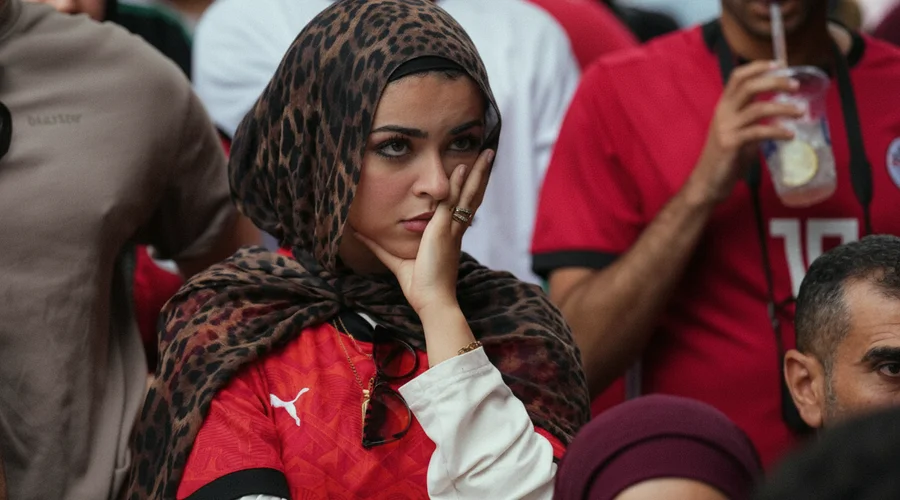
Following their 3-2 defeat to Argentina in the Round of 16, Egypt has raised serious concerns regarding the fairness of the match. The controversy intensified after a late Video Assistant Referee (VAR) intervention disallowed what would have been Egypt's second goal. This decision is perceived by some as having critically shifted the momentum of the game, ultimately paving the way for Argentina's comeback and progression to the quarterfinals.
Hossam Hassan, the head coach for Egypt, openly accused FIFA of favoring the defending champions. He suggested that officials might have been under pressure to ensure the continued participation of star player Lionel Messi in the tournament. Hassan was quoted stating, “Perhaps they wanted Messi to stay in the running. The world champions received support at every level,” indicating a belief in systemic bias.
Scrutiny Over FIFA's Decisions and External Influence
The incident involving Egypt is not an isolated event. FIFA has faced renewed criticism following its decision to overturn a red-card suspension for USA striker Folarin Balogun. This reversal came after a public request from US President Donald Trump, leading to concerns about political figures influencing the decisions of football's governing body. Although Balogun subsequently played in the USA's Round of 16 match against Belgium, the episode prompted extensive debate over the integrity of the sport and the potential for undue external pressure on FIFA.
Political Tensions and Fan Actions
The match between Argentina and Egypt also highlighted broader geopolitical tensions. An Argentina fan was observed waving an Israeli flag during the game, an act that drew considerable attention. This gesture was interpreted by some as a potential provocation, especially given that Egypt's coach, Hossam Hassan, had previously dedicated his team's historic knockout victory to the people of Gaza, underscoring the intertwining of sports and global politics.
FIFA Suspensions Within the USA Team Staff
Further adding to the tournament's controversies, FIFA suspended two staff members of the USA football team, team manager Sam Zapatka and US Soccer Federation (USSF) Vice President of Security Frank Pannell, from their Round of 16 game against Belgium. FIFA did not provide a public explanation for these disciplinary actions. The USSF confirmed that the suspensions were unrelated to the successful appeal for Folarin Balogun’s red-card suspension, but offered no further details, leaving the reasons for the suspensions undisclosed to the public.
These various incidents have contributed to an environment where discussions about sportsmanship, fair play, and the autonomy of sporting bodies are as prevalent as the analysis of the games themselves, shaping the narrative of the 2026 FIFA World Cup.
Source: Original Article
Related Articles
 sport
sport
Morocco Advances to World Cup Quarterfinals, Defeating Co-Hosts Canada 3-0
 sport
sport
Mbappe's Penalty Secures France's Quarterfinal Berth Against Morocco, Equalling Messi's World Cup Tally
 sport
sport
USA-Belgium World Cup Match Sees Significant Ticket Price Fluctuations
 sport
sport