
Anticipated Clashes and Predictions
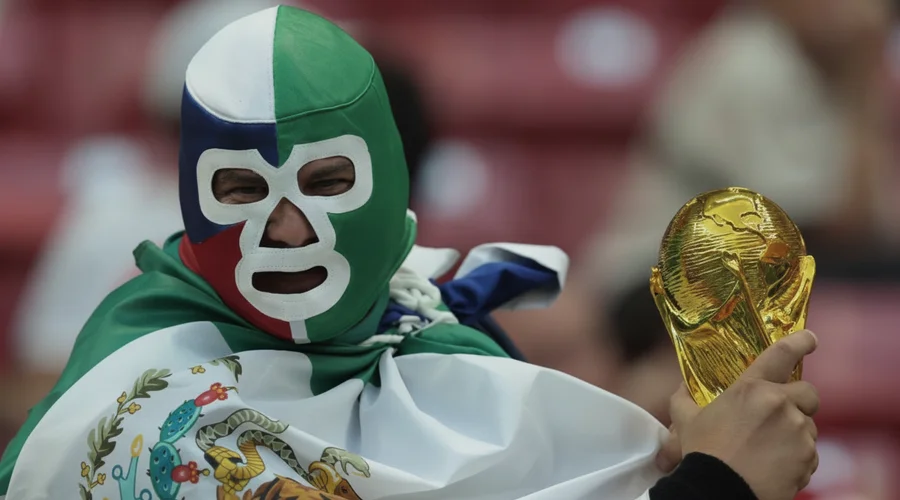
The 2026 World Cup continues to captivate audiences, with Day 8 featuring four significant group-stage matches. Among the most anticipated fixtures is the encounter between Mexico and South Korea, both of whom secured victories in their opening tournament games. This match is expected to be a pivotal contest in Group A, as both teams aim to bolster their chances of advancing to the knockout rounds.
According to Opta’s supercomputer, which conducted 25,000 simulations, Mexico holds a statistical advantage in their match against South Korea. El Tri emerged victorious in 49.1 percent of these simulations, while South Korea secured a win in 24.3 percent, with a draw occurring in 26.6 percent of scenarios. Mexico also boasts a favorable historical record against South Korea in World Cup competitions, having won both previous encounters, including a 2-1 victory in the 2018 Russia World Cup.
Another intriguing matchup pits Czechia against South Africa. While these teams have only met once before, South Africa has a notable record against European opposition in the World Cup, including a memorable 2-1 triumph over France in 2010. Conversely, Czechia’s sole previous World Cup match against African opposition resulted in a 2-0 defeat to Ghana. Despite South Africa’s historical resilience, Opta’s supercomputer favors Czechia with a 54.9 percent chance of victory, compared to South Africa’s 21.8 percent.
Switzerland and Bosnia and Herzegovina are set to face each other for the first time in a World Cup fixture. Their only previous meeting was a 2016 friendly, where Bosnia secured a 2-0 win. However, Switzerland enters this match as the clear favorite, with Opta’s simulations predicting a win in 61.6 percent of cases, versus 17 percent for Bosnia and Herzegovina, and a 21.4 percent chance of a draw.
The host nation, Canada, will take on Qatar. Historical patterns suggest a strong likelihood of a host nation victory in such matchups; on all three previous occasions a World Cup host faced an Asian federation team, the host emerged triumphant. Opta’s supercomputer supports this trend, giving Canada a 72.9 percent chance of winning, while Qatar's chances of an upset are estimated at just 10.6 percent.
Beyond the Scoreboard: Key Tournament Narratives
The initial phase of the World Cup has already generated numerous talking points beyond the immediate match results. The race for the Golden Boot is intensifying, with Lionel Messi currently leading after scoring a hat-trick for Argentina. Close behind him are a group of seven players, each with two goals, including notable names like Kylian Mbappe, Erling Haaland, and Harry Kane.
Historic Achievements and Surprises
The Democratic Republic of the Congo (DRC) made history by securing their first-ever World Cup point in a 1-1 draw against FIFA’s fifth-ranked team, Portugal. Yoane Wissa’s header marked the DRC’s inaugural World Cup goal, sparking widespread celebration. This achievement, alongside Cape Verde’s surprising 0-0 draw against Spain in their World Cup debut, stands out as one of the biggest upsets of the opening rounds.
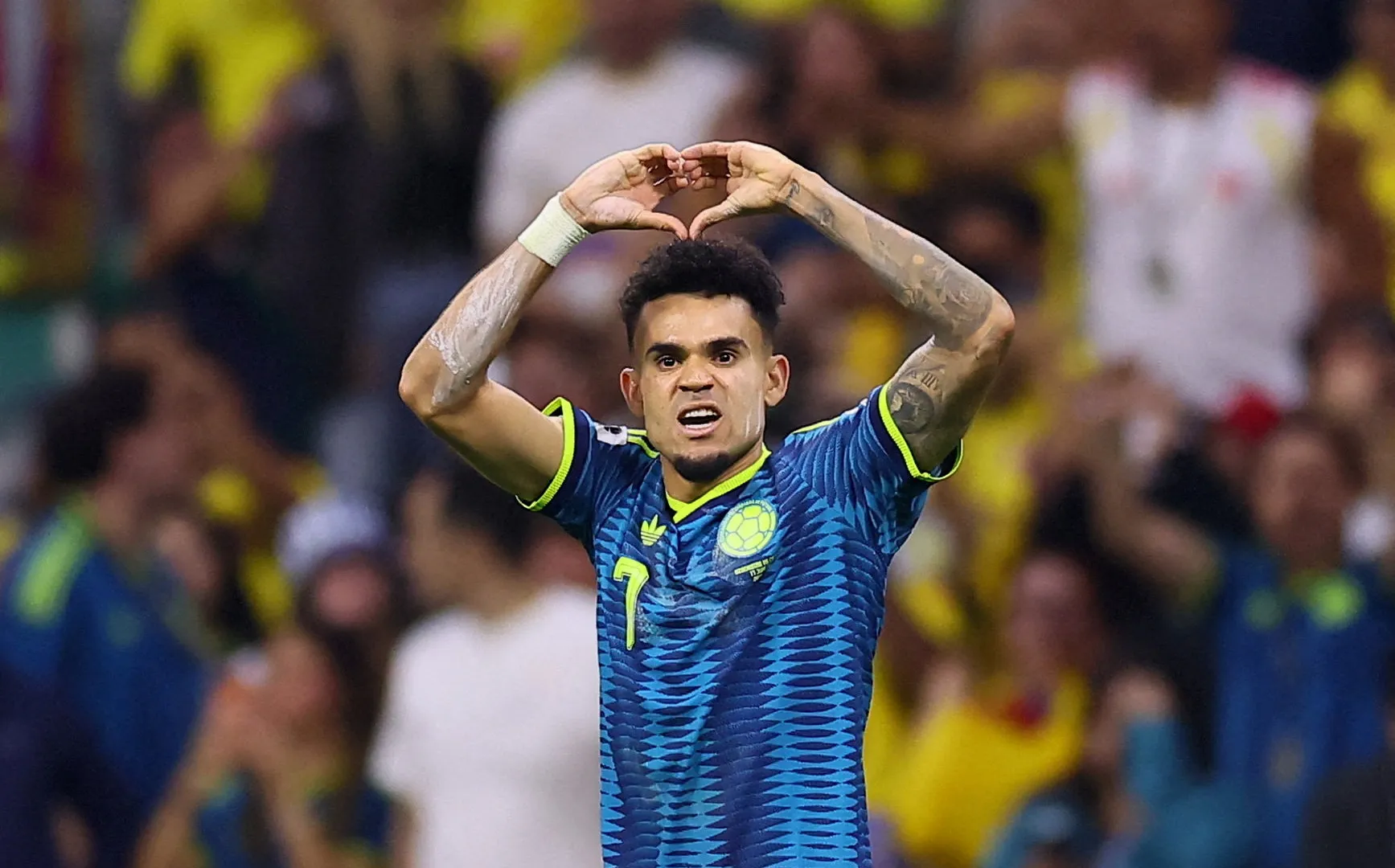
Colombia also commenced their campaign successfully, defeating tournament newcomers Uzbekistan 3-1. Luis Diaz was a standout performer, contributing to two of Colombia’s goals. Meanwhile, Iran’s 2-2 draw with New Zealand, a result not widely anticipated, also added to the list of early surprises.
Diversity and Unity in Football
Several World Cup squads exemplify significant diversity, featuring players from various ethnic, cultural, and religious backgrounds. Teams like England, France, Spain, and Sweden include both Christian and Muslim players, such as Spain’s Lamine Yamal and Sweden’s Yasin Ayari. This integration on the field offers a powerful message of cooperation and unity, contrasting with broader societal debates on immigration and identity. Eboo Patel, president of Interfaith America, highlighted the symbolic importance of players from different faiths collaborating and celebrating together, emphasizing its role in building strong teams and communities.
Ronaldo's Sixth World Cup and Hydration Break Debates
Cristiano Ronaldo made his record-equalling sixth World Cup appearance, joining Lionel Messi in this exclusive club. However, despite several opportunities, the 41-year-old was unable to score in Portugal’s opening match, a stark contrast to other prominent players who found the net. Portugal’s dropped points have put pressure on the team for their upcoming fixtures.
FIFA’s introduction of hydration breaks, intended to protect player welfare in the summer heat, has sparked considerable debate. Critics argue that these breaks disrupt the flow and momentum of matches, potentially altering game dynamics. Former players like Alan Shearer and Roy Keane have voiced concerns, suggesting the stoppages interrupt the unique pace of football. While FIFA maintains the breaks prioritize player health, opponents argue they also create tactical opportunities and additional advertising slots.
Africa's Growing Presence and Challenges
The 2026 World Cup features a record six sub-Saharan African nations, reflecting the continent's growing influence in global football. While some teams, like South Africa, faced early defeats, established powers such as Senegal and Ivory Coast are making their mark. The stories of DR Congo and Cape Verde, with many players born in Europe, highlight evolving dynamics in African football. Despite increased representation, challenges persist, including past visa and travel issues for fans and the controversial ban of the vuvuzela, a symbol of the 2010 World Cup. Nevertheless, with a substantial diaspora across the host nations, African teams are expected to receive strong support as they strive to make a significant impact on the tournament.
Source: World Cup predictions: Mexico vs South Korea, Canada vs Qatar and more
Related Articles
 sport
sport
England Secures Victory Over Croatia in Highly Anticipated World Cup Encounter
 sport
sport
Colombia Secures Opening Victory Over Uzbekistan in World Cup Group Stage
 sport
sport
World Cup 2026: Key Second-Round Group Stage Matches and Full Schedule Revealed
 sport
sport