
Overview of the Demonstration
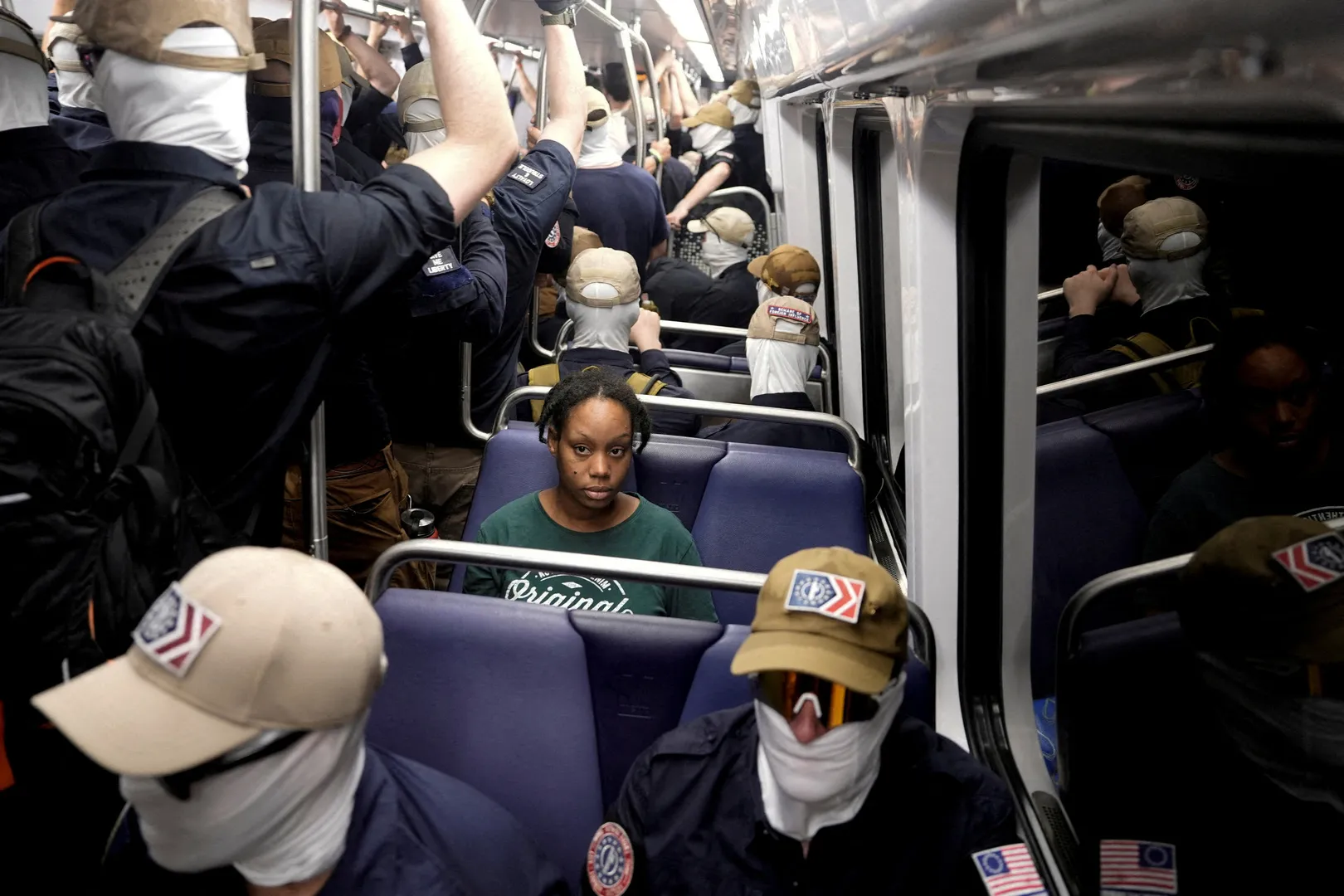
On July 4, 2026, a demonstration involving individuals identifying as white nationalists took place in Washington D.C. The event occurred as the United States prepared to observe its 250th anniversary, a significant national milestone. Participants in the march were observed carrying various symbols and engaging in chants.
Details of the Participants and Their Actions
Reports indicate that hundreds of individuals participated in the procession through the nation's capital. Many of these individuals were described as wearing masks, obscuring their faces during the event. A prominent feature of the demonstration was the display of Confederate flags, a symbol with historical ties to the American Civil War and slavery, and often associated with white supremacist ideologies. The participants also reportedly engaged in vocal expressions, specifically chanting slogans that expressed anti-immigrant sentiments.
Context of the Event
The timing of this demonstration, preceding the 250th anniversary of the United States' founding, places it within a broader national discourse concerning identity, history, and social values. The nation's quarter-millennium mark is typically a period for reflection on its origins, development, and future direction. The presence of a group espousing white nationalist views during such a time highlights ongoing societal debates and divisions.
The demonstration involved individuals carrying Confederate flags and chanting anti-immigrant slogans, occurring just before the 250th anniversary of the United States.
Historical and Societal Implications
The use of symbols like the Confederate flag and the articulation of anti-immigrant stances by groups identifying as white nationalists are often viewed within the context of historical grievances and contemporary social tensions. Such demonstrations can draw attention to the complexities of national identity and the diverse interpretations of American history. The presence of these groups in public spaces, particularly in the nation's capital, frequently elicits varied reactions from the public and political observers.
The Significance of Washington D.C. as a Venue
Washington D.C., as the seat of the federal government and a city rich in historical significance, frequently serves as a venue for protests and demonstrations across the political spectrum. The choice of the capital for this particular event underscores its symbolic importance as a stage for expressing political and social viewpoints. Demonstrations in this location often garner national and international attention due to the city's role in American governance and its status as a global political hub.
Public and Media Response
While specific details regarding immediate public or official responses to this particular march were not extensively detailed in the initial reports, demonstrations of this nature typically generate discussion and debate within media outlets and among the general populace. The portrayal and interpretation of such events can vary significantly depending on the perspectives of different media organizations and individuals. The event contributes to the ongoing public discourse surrounding issues of nationalism, immigration, and historical memory in the United States.
Source: Al Jazeera
Related Articles
 news
news
United States Marks 250th Anniversary Amidst Political Tensions
 news
news
White Nationalist Demonstration Coincides with US Independence Day Celebrations Near Capital
 news
news
US Military Veteran Facing Deportation Despite Service and Green Card Status
 news
news