Search and Rescue Operation on Everest Concludes Successfully
A multi-day search operation on Mount Everest has concluded with the successful rescue of Dawa Sherpa, a highly experienced Nepali guide who had been missing for nearly a week. Sherpa was last observed on May 29, making his descent from the summit. While his client safely returned to base camp, Sherpa's failure to arrive initiated an extensive search effort on the challenging slopes of the mountain.
Details of the Disappearance and Search
The alarm was raised after Dawa Sherpa did not report back to base camp following his descent. Given the extreme conditions and inherent dangers of Mount Everest, concerns for his safety grew rapidly as days passed without contact. Search teams, comprising fellow Sherpas and rescue personnel, were mobilized to retrace his last known path and scour potential areas where he might have sought shelter or encountered difficulties. The vast and treacherous terrain of Everest, coupled with unpredictable weather, makes such rescue missions exceptionally challenging.
"The resilience of Sherpa guides and the dedication of rescue teams are truly remarkable in the face of Everest's unforgiving environment. Every hour counts in such situations."
The Role of Sherpas in Everest Expeditions
Sherpas play an indispensable role in Mount Everest expeditions, serving as guides, porters, and experts on high-altitude survival. Their unparalleled knowledge of the mountain, physical endurance, and ability to navigate the dangerous Khumbu Icefall and other treacherous sections are crucial for the safety and success of climbers. However, their vital contributions also place them at significant risk, as they often make multiple ascents and descents during climbing seasons, exposing them to the mountain's perils more frequently than their clients.
Challenges of High-Altitude Rescue
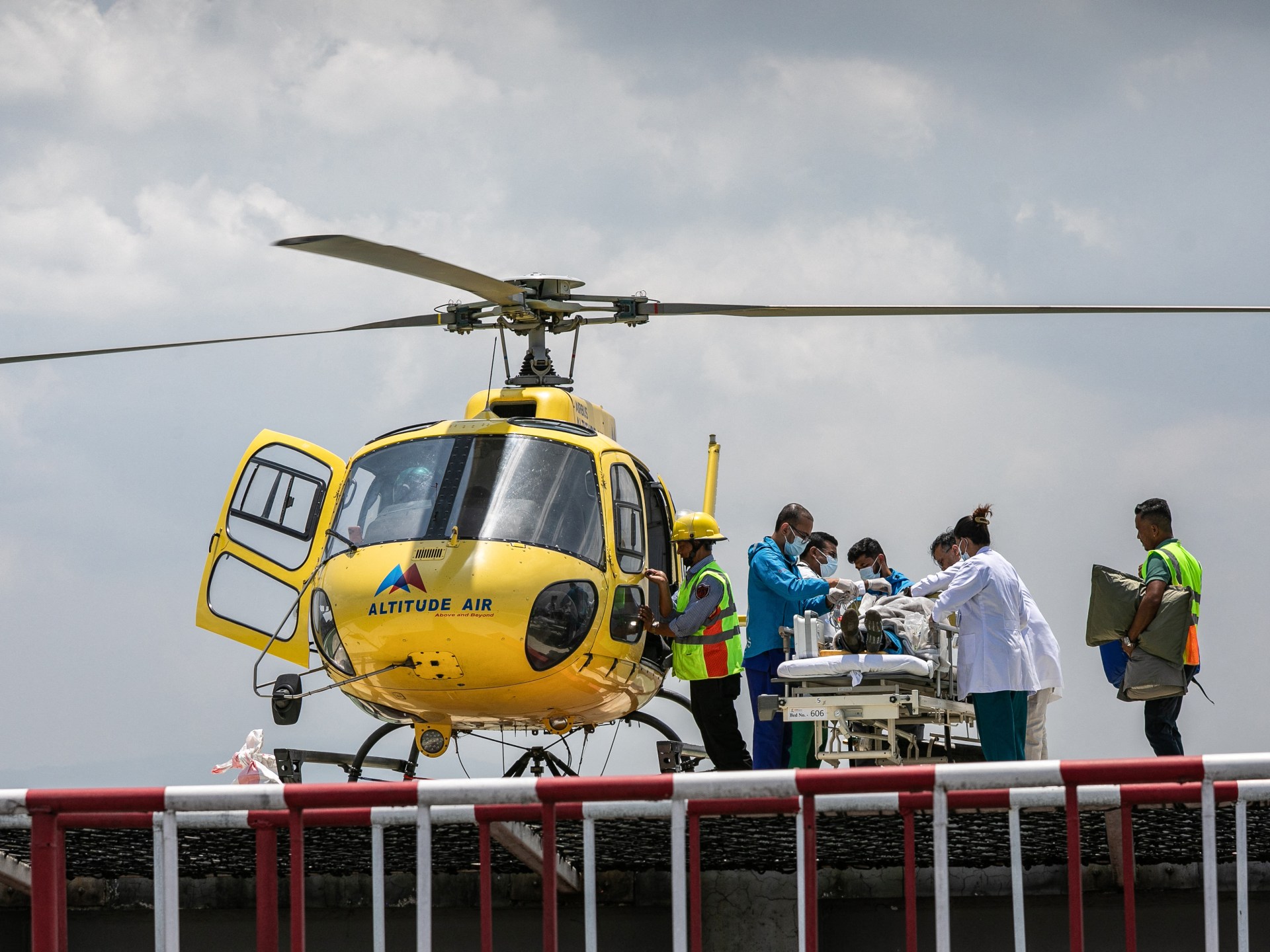
Rescuing individuals on Mount Everest presents unique logistical and environmental challenges. The extreme altitude, thin air, freezing temperatures, and constant threat of avalanches and rockfalls complicate search efforts. Specialized equipment, including helicopters capable of operating at high altitudes, and highly trained personnel are essential. The window for successful rescues narrows significantly with each passing day, making Dawa Sherpa's discovery after six days a testament to the perseverance of the rescue teams and his own survival instincts.
Mount Everest's Climbing Season
The spring climbing season on Mount Everest typically runs from April to May, offering a brief window of relatively stable weather conditions suitable for summit attempts. This period sees a significant increase in activity on the mountain, with hundreds of climbers and their support teams aiming to reach the world's highest point. Unfortunately, it also leads to a rise in incidents, including disappearances, injuries, and fatalities, underscoring the inherent risks associated with high-altitude mountaineering.
The successful rescue of Dawa Sherpa brings relief to the mountaineering community and highlights the collective efforts involved in ensuring safety on the world's most formidable peaks.
Source: Al Jazeera