
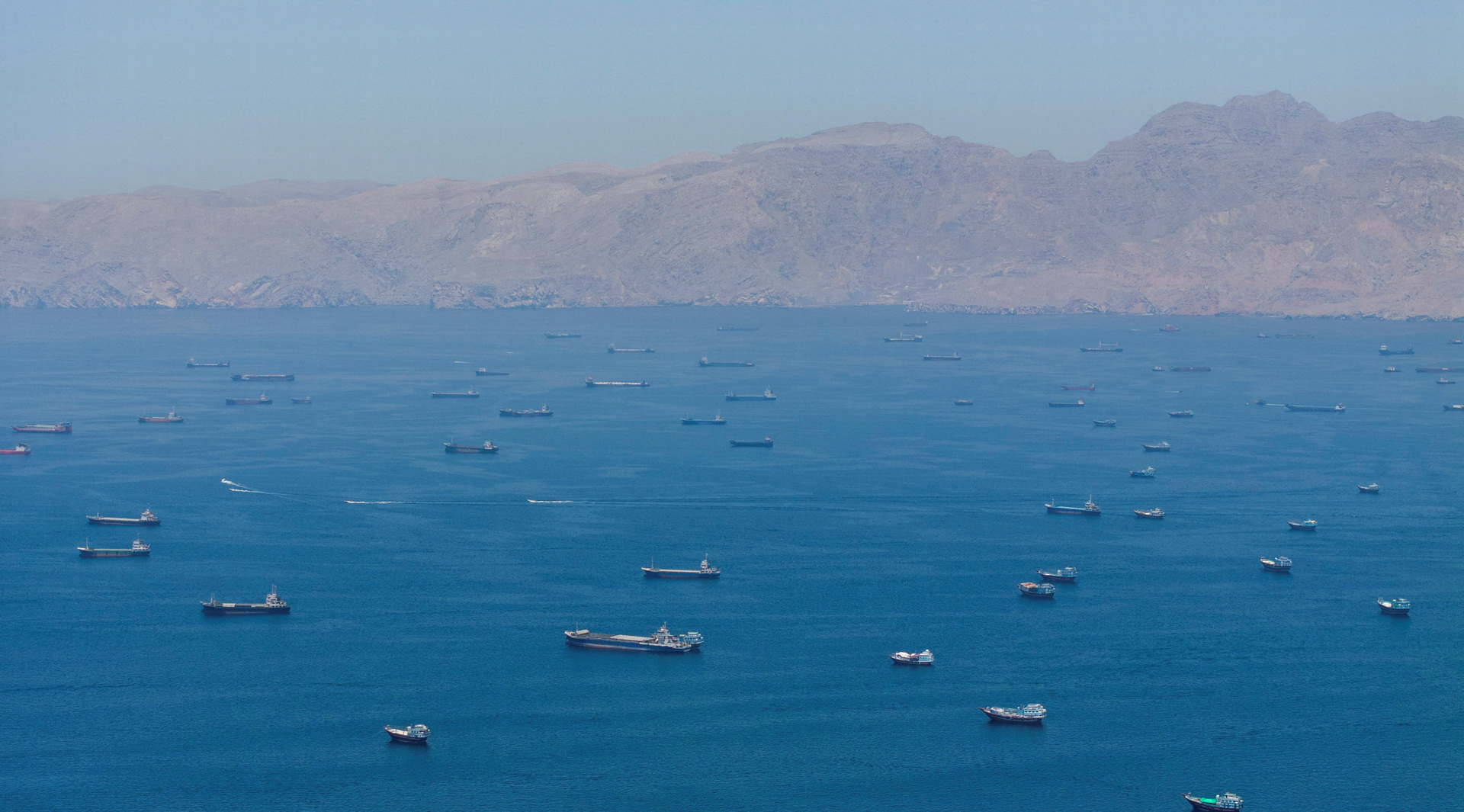
U.S. Military Action in Southern Iran
Recent reports indicate that the United States military has executed a series of strikes in the southern region of Iran. These operations, as stated by U.S. defense officials, were conducted with the explicit purpose of self-defense, targeting specific Iranian military assets, including missile sites and naval vessels.
Context of the Strikes
While details surrounding the specific timing and scale of these strikes remain somewhat limited, the U.S. justification points to a perceived immediate threat that necessitated a defensive response. Such actions are typically undertaken following intelligence assessments indicating a direct or imminent danger to U.S. personnel, interests, or allied forces in the region. The broader geopolitical landscape of the Middle East, characterized by ongoing tensions and strategic competition, provides a backdrop for understanding these military engagements.
Targeted Assets: Missile Sites and Boats
The U.S. military's announcement specifically mentioned the targeting of Iranian missile sites and boats. This suggests a focus on capabilities that could be used for projecting power, interdicting maritime traffic, or engaging in asymmetric warfare in critical waterways such such as the Persian Gulf and the Strait of Hormuz. Iranian naval forces, including the Islamic Revolutionary Guard Corps Navy (IRGCN), operate a variety of small, fast attack craft and possess coastal defense missile systems that could pose challenges to international shipping and naval operations in the area.
Targeting missile sites implies an effort to degrade Iran's ability to launch projectiles, which could range from anti-ship missiles to shore-to-shore or surface-to-air systems. The inclusion of 'boats' in the target description could refer to a spectrum of vessels, from patrol boats to more heavily armed fast attack craft, which Iran has historically utilized in its naval strategy.
International Implications and Regional Stability
Military actions of this nature inevitably carry significant international implications. They can escalate regional tensions, potentially provoking retaliatory measures from the targeted nation. The balance of power in the Middle East is delicate, and any perceived aggression or defensive maneuver by major international actors can have ripple effects across diplomatic, economic, and security spheres.
The U.S. emphasizes that these strikes were strictly defensive, aiming to deter further aggression and protect its interests. However, such operations are often viewed differently by the affected nations, which may interpret them as acts of hostility.
Maintaining open channels of communication and de-escalation efforts become crucial in the aftermath of such events to prevent a broader conflict. International bodies and diplomatic initiatives often play a role in mediating disputes and encouraging restraint from all parties involved.
Previous Engagements and Ongoing Tensions
The relationship between the United States and Iran has been fraught with tension for decades, marked by periods of heightened friction and occasional direct confrontations. Both nations have significant military presences in the Middle East, and their interactions are closely monitored by the international community. Incidents involving maritime security, alleged attacks on shipping, and the development of ballistic missile programs have frequently fueled these tensions.
These latest strikes underscore the ongoing complexities and volatility of the geopolitical landscape in the region, where the actions of one actor can quickly lead to responses from another, creating a cycle of escalation that policymakers strive to manage.
Source: Al Jazeera
Related Articles
 world
world
Escalating Tensions Threaten US-Iran Diplomatic Efforts Amid Drone Incident
 world
world
Bolivia Sees Heightened Tensions as Protests Converge on Presidential Palace
 world
world
Canadian Official Criticizes Treatment of Gaza Flotilla Activists
 world
world