
Global Dynamics and US-Iran Relations
Recent developments highlight the United States' evolving approach in dealing with Iran, moving away from direct confrontation to a more layered strategy. This new approach combines domestic instability, regional influence, and international coalition-building efforts to exert pressure on Iran.
Strategic Recalibration
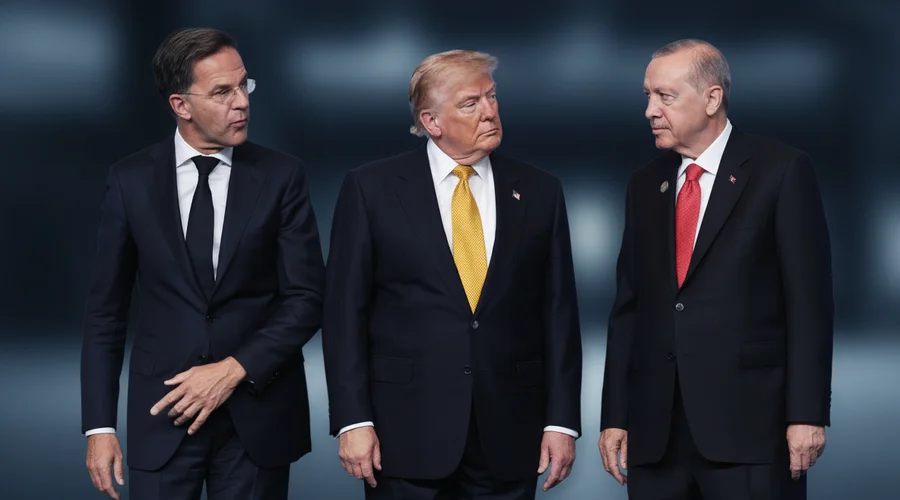
The presence of former US President Donald Trump at a recent NATO summit in Turkiye has raised questions about the US's strategic intentions towards Iran. It signifies a recalibration of Washington's stance, shifting from overt pressure to a hybrid model that addresses multiple fronts simultaneously.
This strategy aims to exert pressure not only through external actions but by creating internal challenges for Iran. The objective is to stretch Iran's resources thin by forcing its leadership to focus on managing internal crises, border tensions, and regional alliances.
Domestic and Regional Pressures
Domestically, the strategy involves intensifying social and economic pressures within Iran. This includes targeting critical infrastructure to disrupt daily life and governance, thereby raising the cost of internal stability.
Regionally, the US is realigning its strategy by engaging Iran on multiple fronts. This involves working with allies like Israel to recalibrate the regional dynamics, ensuring Tehran is simultaneously engaged in several peripheral conflicts. Despite prior challenges in containing groups like Hezbollah and the Houthis, the US believes that reconfiguring Iran's neighboring environment is crucial.
International Coalition-Building
On the international stage, the US aims to elevate the Iranian issue to a global concern, seeking broader alignment with Western allies. The NATO summit is seen as a platform for consolidating this coalition, linking European security concerns with those of the US regarding Iran.
However, achieving full alignment has its challenges, as some European nations remain hesitant to fully commit to the US's maximum pressure campaign against Iran.
Strategic Objectives and Limitations
The US strategy encompasses several objectives, including legitimizing future actions against Iran, coordinating with regional powers like Turkiye, and exploiting Syria's influence over Lebanon to exert pressure on Hezbollah. These efforts are part of a broader attempt to recalibrate the balance of power in West Asia.
Despite these efforts, historical precedent suggests that such strategies face significant obstacles. Previous US and Israeli initiatives, despite their complexity and military backing, have often met with limited success when confronted with the region's entrenched political and social dynamics.
Implications for the Region
In Gaza, Israel is adjusting its strategy by focusing on demographic and territorial configurations, aiming to contain resistance forces. Similarly, in Yemen, the US and Israel are reportedly preparing for targeted actions against the Houthis, indicating a broader strategy of pressure across multiple arenas.
The interconnected nature of these strategies points to an overarching US plan to reshape regional power dynamics. Yet, the enduring resilience of local resistance groups and the deep-rooted social and historical ties within the region suggest that these efforts may ultimately fall short.
While the US is recalibrating its pressure tactics against Iran, the region's complex political landscape and historical context underscore the challenges of implementing such a multifaceted strategy effectively.
Source: Original Article
Related Articles
 world
world
Iranian Provinces Report Strikes Amid US Denial of Involvement
 world
world
Ukraine to Accelerate Patriot Missile Production Following US Approval
 world
world
Tragic Wildfire in Southern Spain Claims Multiple Lives, Victims Discovered in Vehicles Amidst Heatwave
 world
world