
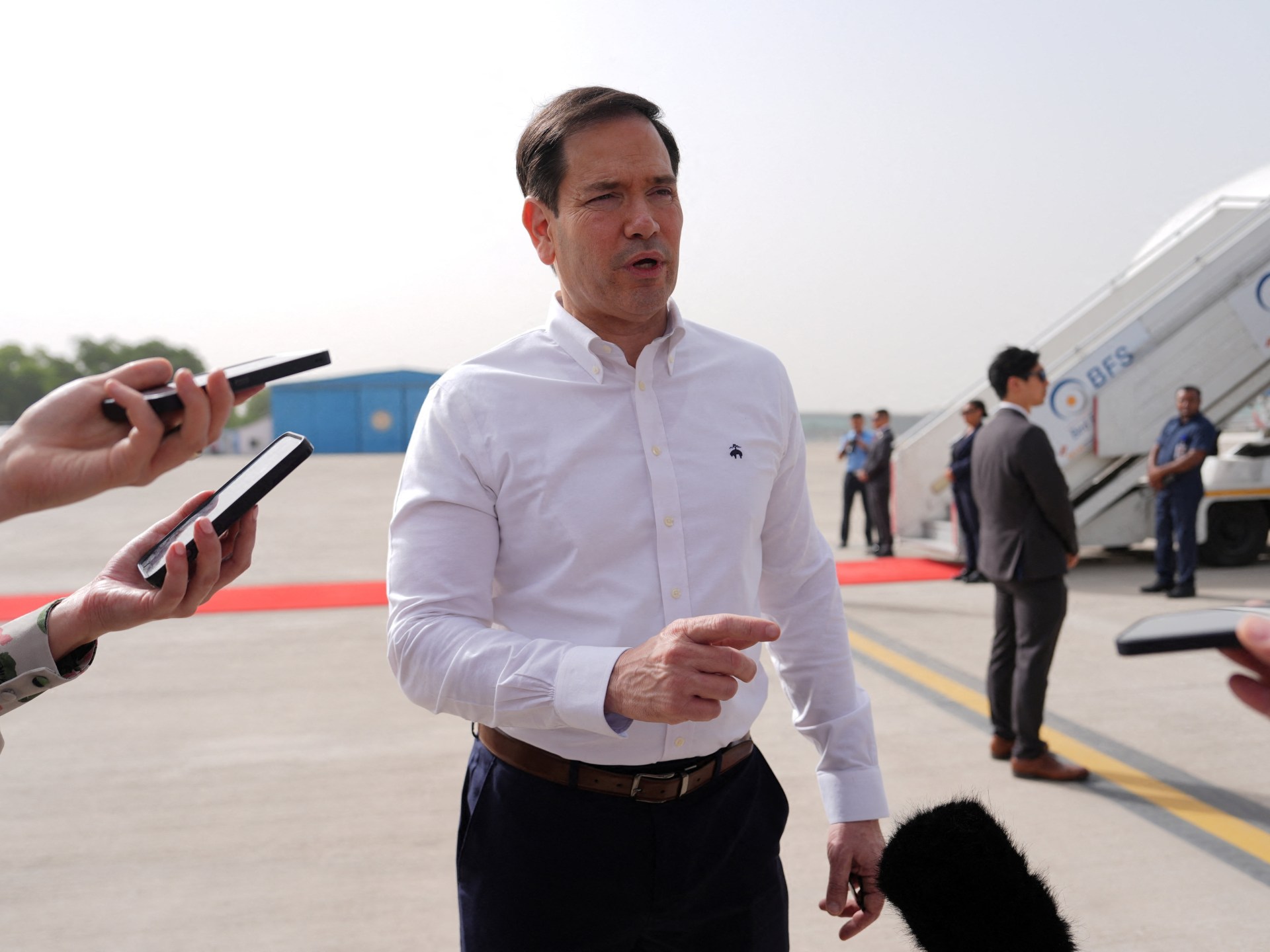
Diplomatic Efforts and Potential Alternatives
The United States has signaled its readiness to pursue different avenues if current diplomatic negotiations concerning Iran's nuclear program do not result in a viable resolution. This perspective was shared by a prominent US official, underscoring the administration's commitment to preventing Iran from developing nuclear weapons.
The Current State of Negotiations
International efforts to revive the Joint Comprehensive Plan of Action (JCPOA), commonly known as the Iran nuclear deal, have been ongoing. These talks involve Iran and the P5+1 group of nations (China, France, Germany, Russia, the United Kingdom, and the United States). The primary objective is to restore limitations on Iran's nuclear activities in exchange for sanctions relief.
"We are fully committed to a diplomatic solution, but we also recognize the need for contingency plans should diplomacy not achieve our strategic goals," stated the official, emphasizing the dual approach of engagement and preparedness.
The discussions have faced numerous challenges, including disagreements over the scope of sanctions relief, verification mechanisms, and Iran's ballistic missile program. Despite these hurdles, negotiators have continued to seek common ground, with various proposals exchanged between the parties.
US Stance on Non-Proliferation
The US government has consistently reiterated its policy that Iran must not acquire nuclear weapons. This stance forms the bedrock of its engagement in the nuclear talks. The official's remarks reflect a broader strategy that combines diplomatic pressure with the readiness to implement other measures if negotiations fail to achieve this critical objective.
- Diplomacy as a First Resort: The US continues to prioritize a diplomatic resolution, believing it to be the most effective and sustainable path to address Iran's nuclear program.
- Maintaining Pressure: Sanctions remain a key tool in encouraging Iran to comply with international nuclear non-proliferation standards and return to the terms of the JCPOA.
- Exploring Alternatives: The statement indicates that the US is not solely reliant on the current diplomatic track and is actively considering other options to safeguard its security interests and those of its allies.
Regional Security Implications
The outcome of the nuclear talks has significant implications for regional security, particularly for countries in the Middle East. Many regional actors have expressed concerns about Iran's nuclear ambitions and its broader activities in the region. The US has frequently engaged with its allies to coordinate strategies and ensure a united front on this issue.
The Strait of Hormuz, a critical maritime chokepoint for global oil shipments, is often a point of discussion in the context of Iran's regional role. Ensuring freedom of navigation through this strait is a key concern for international trade and stability.
Historical Context of the JCPOA
The original JCPOA, signed in 2015, aimed to prevent Iran from developing nuclear weapons by imposing strict limits on its enrichment activities and allowing extensive international inspections. In return, Iran received relief from international sanctions. However, the US withdrew from the agreement in 2018, reimposing sanctions, which led Iran to gradually reduce its commitments under the deal.
The current negotiations are an attempt to reverse this trend and bring both the US and Iran back into compliance with a revised or re-established agreement. The official's comments underscore the complexity and high stakes involved in these ongoing diplomatic endeavors, emphasizing that while diplomacy is preferred, other avenues will be explored if necessary to achieve the ultimate goal of non-proliferation.
Source: Al Jazeera
Related Articles
 world
world
China Provides Rice Aid to Cuba Amidst Humanitarian Challenges
 world
world
Iran and US Negotiations: Agreement Not Imminent Despite Reported Progress
 world
world
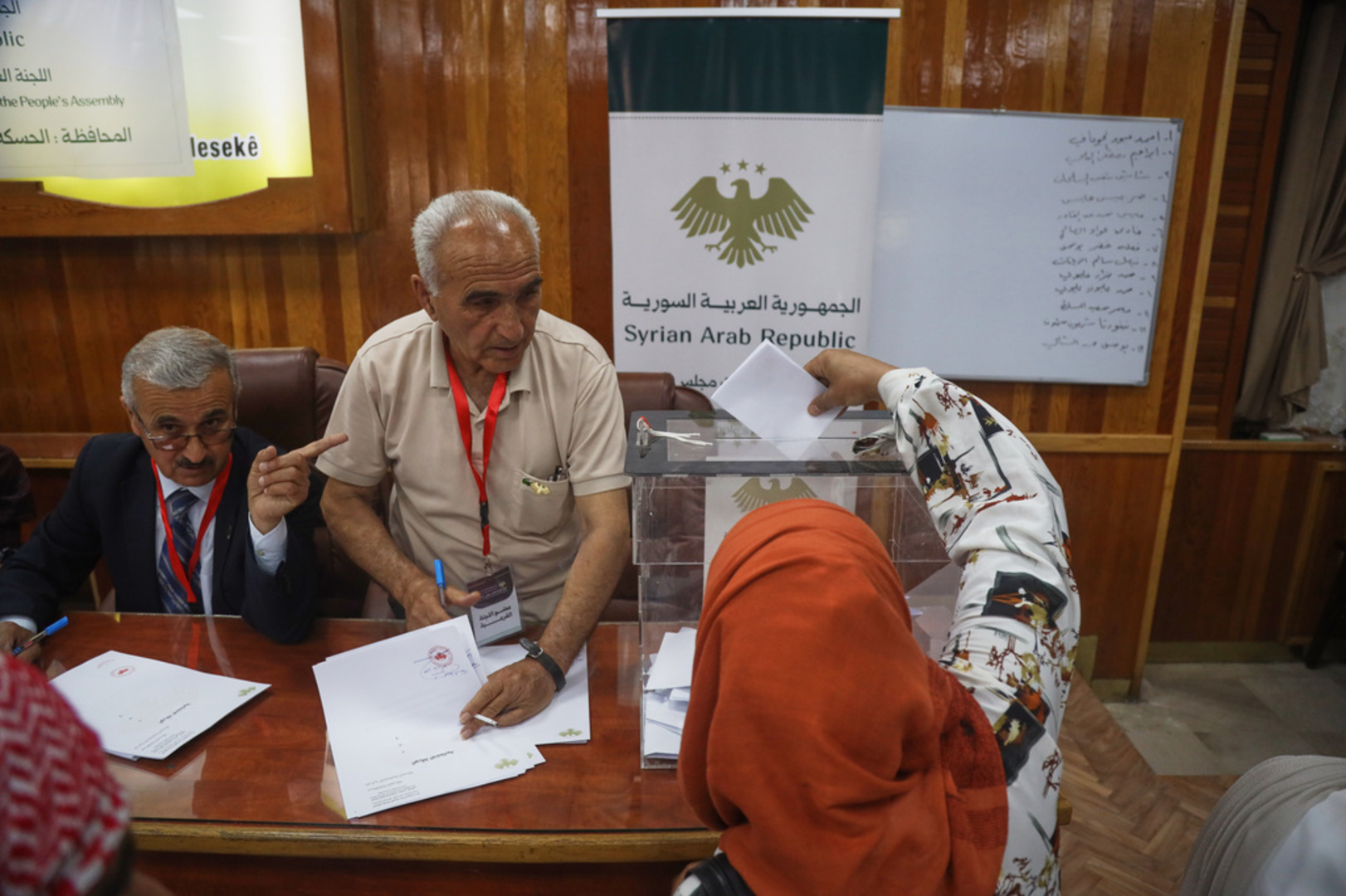
Syrian Legislative Elections Extend to Formerly Kurdish-Held Regions
 world
world