
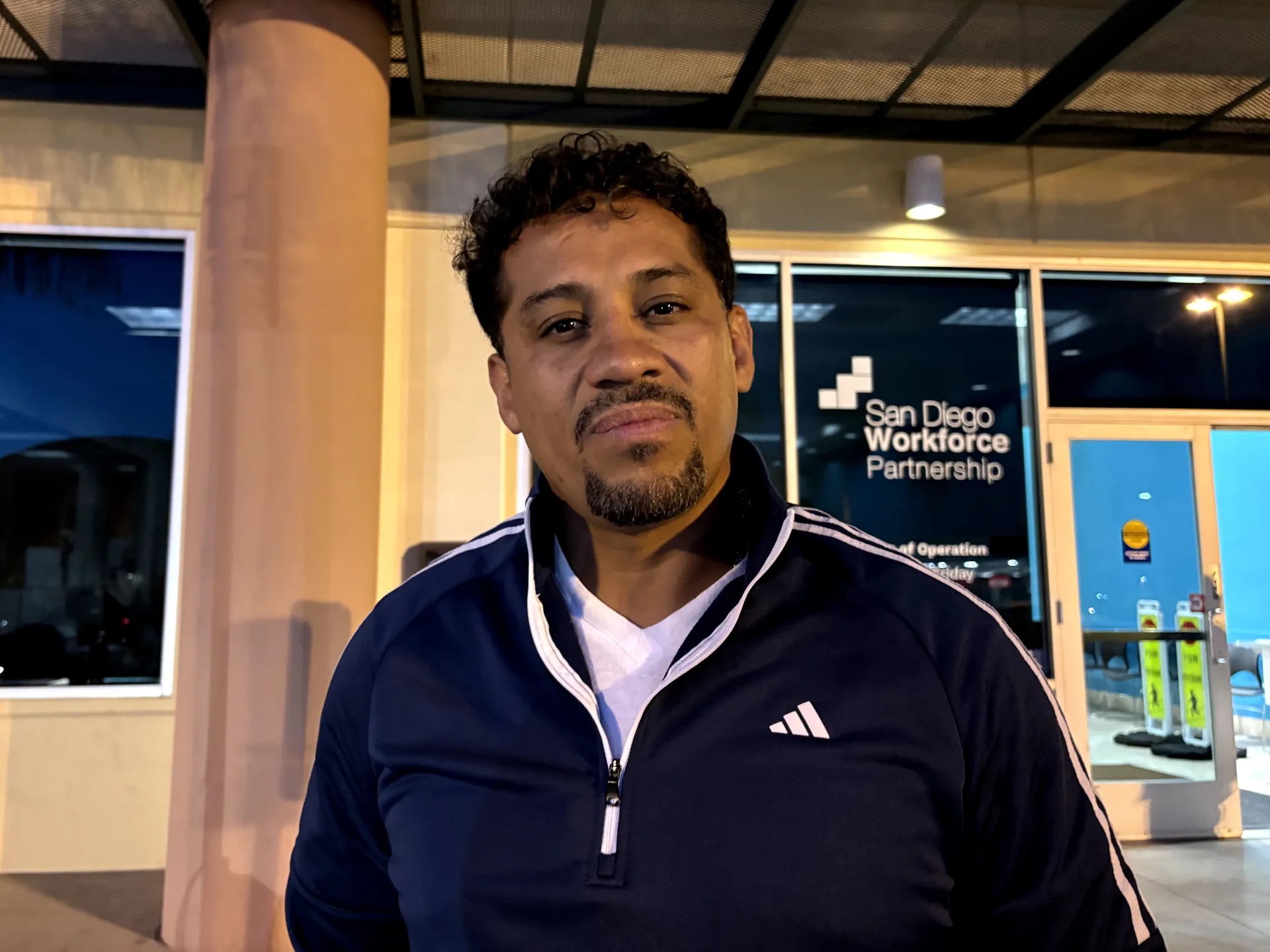
Advocates Rally for Deportation-Threatened Veteran
In San Diego, California, a group of advocates recently gathered outside the United States federal courthouse to draw attention to the case of Benito Miranda Hernandez. Among them was James Smith, founder of Black Deported Veterans of America, who displayed a poster of Hernandez in his US Navy uniform, adorned with three medals. Smith and the other activists were advocating for Hernandez, who was detained in an immigration facility miles away, highlighting a situation that has garnered increasing concern among immigrant rights groups.
Hernandez, who was brought to the US from Mexico as an infant, completed three tours of duty with the US military during the Iraq war. For many immigrant service members, military service is viewed as a pathway to naturalized citizenship. However, Hernandez is now one of numerous immigrant veterans confronting deportation under the current US administration.
The Plight of Immigrant Veterans
James Smith emphasized the broken promises made to these service members. "These men and women were promised that they were going to get their citizenship if they served," Smith stated, urging support for Hernandez. The current administration has prioritized the deportation of immigrants with criminal records. This policy, however, has particularly impacted veterans, who are disproportionately represented in the criminal justice system and often struggle with mental health issues following their service. Hernandez, for instance, reported difficulties in reintegrating into civilian life after his military discharge.
On June 14, Hernandez completed a years-long sentence for a drug conviction. As he awaited his mother, Maria Miranda, for pickup, agents from US Immigration and Customs Enforcement (ICE) detained him. His mother and brother subsequently spent hours searching for him, unaware of his whereabouts. Maria Miranda expressed her heartbreak, stating in Spanish, "He was doing things right. He had so many hopes, so many dreams."
Detention and the Broader Trend
Hernandez has since been transferred to the Otay Mesa Detention Center in San Diego and is facing deportation, despite having received his green card for permanent residency earlier this year. He had previously shared his experiences with Al Jazeera in an article published in April, underscoring the ongoing nature of his struggle.
His detention reflects a growing trend under the current administration. While precise figures on deported veterans are difficult to ascertain due to ICE's historical failure to consistently record veteran status, advocates report a noticeable increase in such deportations. A report in The New York Times in March indicated that at least 34 veterans had been placed in deportation proceedings within the last year alone. While some cases gain media attention, many immigrant veterans choose to remain out of the spotlight, fearing negative repercussions on their immigration cases.
Robert Vivar, co-founder of the Tijuana-based Unified US Deported Veterans Resource Center, expressed concern that "as the ICE raids continue and revamp across the country, there's going to be people that are veterans that have not become US citizens that unfortunately will end up falling through the cracks."
Systemic Failures and Unfulfilled Promises
Danitza James, president of Repatriate our Patriots, an advocacy group, noted that veterans, like other immigrants, are often detained during mandatory immigration processes, frequently due to outstanding warrants or unvacated criminal convictions. James, a veteran and naturalized citizen herself, reported being in contact with approximately six veterans detained by ICE in the current year alone. "Our government, they don't place any value in the service that our immigrants have," James asserted. "They honestly see us as disposable."
For decades, the US military has actively recruited immigrants to address staffing shortages, often promising expedited citizenship as an incentive. In principle, this should be the case. However, many immigrant soldiers, including Hernandez, have reported significant delays in the naturalization process while deployed. By the time Hernandez was called for his citizenship interview in 2006, two years after his last deployment, he had a criminal conviction, leading to the denial of his citizenship application.
Advocates like Smith argue that the failure to protect immigrant veterans is symptomatic of broader governmental shortcomings in addressing military policies. "The United States government is failing to take accountability for what they've created," Smith contended. He described a cycle where individuals are trained for combat, stripped of their humanity, and then left without adequate support for reintegration into civilian life. "Then, when you get out, there is no process that gets you ready to be in the civilian world."
Ongoing Efforts and Personal Toll
Currently, several bills aimed at protecting immigrant veterans are under consideration in Congress. Despite this, military recruiters continue to target immigrant communities with the promise of a fast track to citizenship. The immediate future for Hernandez remains uncertain. At the recent rally, a lawyer from a local immigration nonprofit indicated potential interest in assisting with his case.
Meanwhile, Hernandez's mother, Maria Miranda, makes efforts to sustain his morale, taking his calls from the ICE detention center and visiting him on Saturdays. The two-hour drive from Anaheim to San Diego, however, is physically taxing for her. Miranda shared her son's distress during a recent visit, recalling his words through tears: "I don’t want to cause you any more problems. I don’t want to upset you any more, Mom. I’m doing things right. I’m praying for myself." She lamented the dashed hopes, stating, "They clipped the wings of a bird, and all the hopes he had. They threw them in the trash."
Source: Original Article
Related Articles
 news
news
United States Marks 250th Anniversary Amidst Political Tensions
 news
news
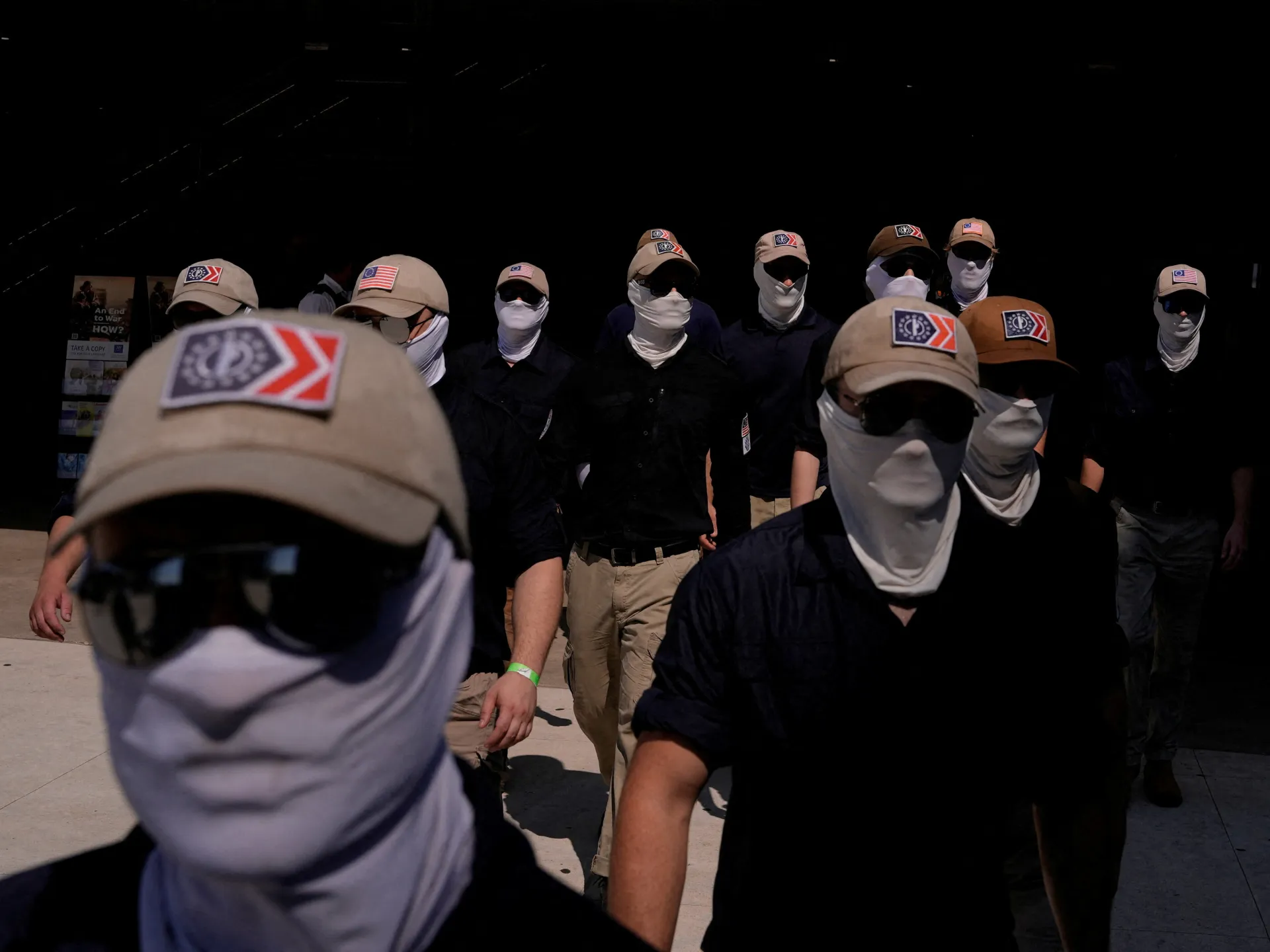
White Nationalist Demonstration Coincides with US Independence Day Celebrations Near Capital
 news
news
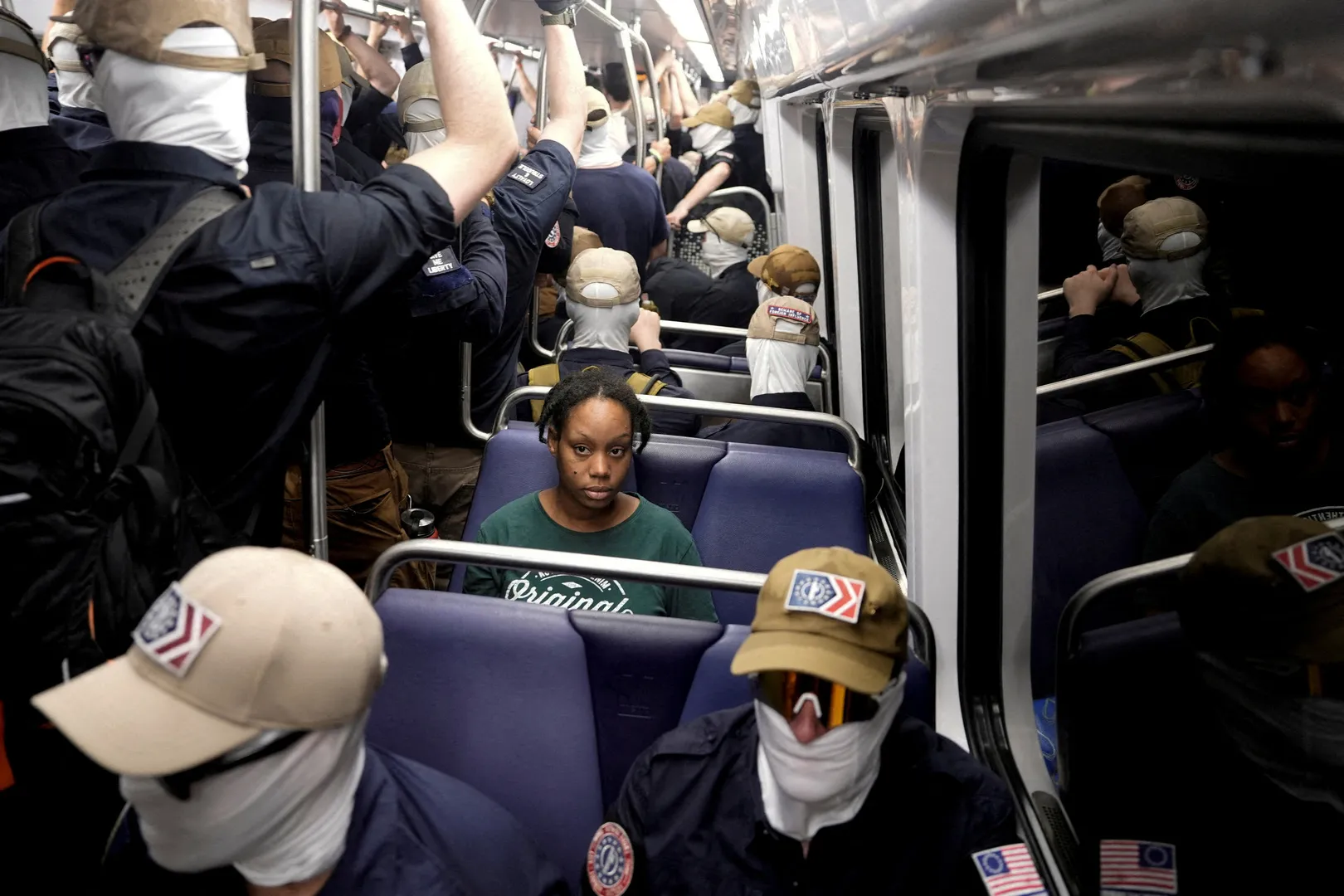
White Nationalist Demonstration Held in Washington D.C. Prior to National Anniversary
 news
news