
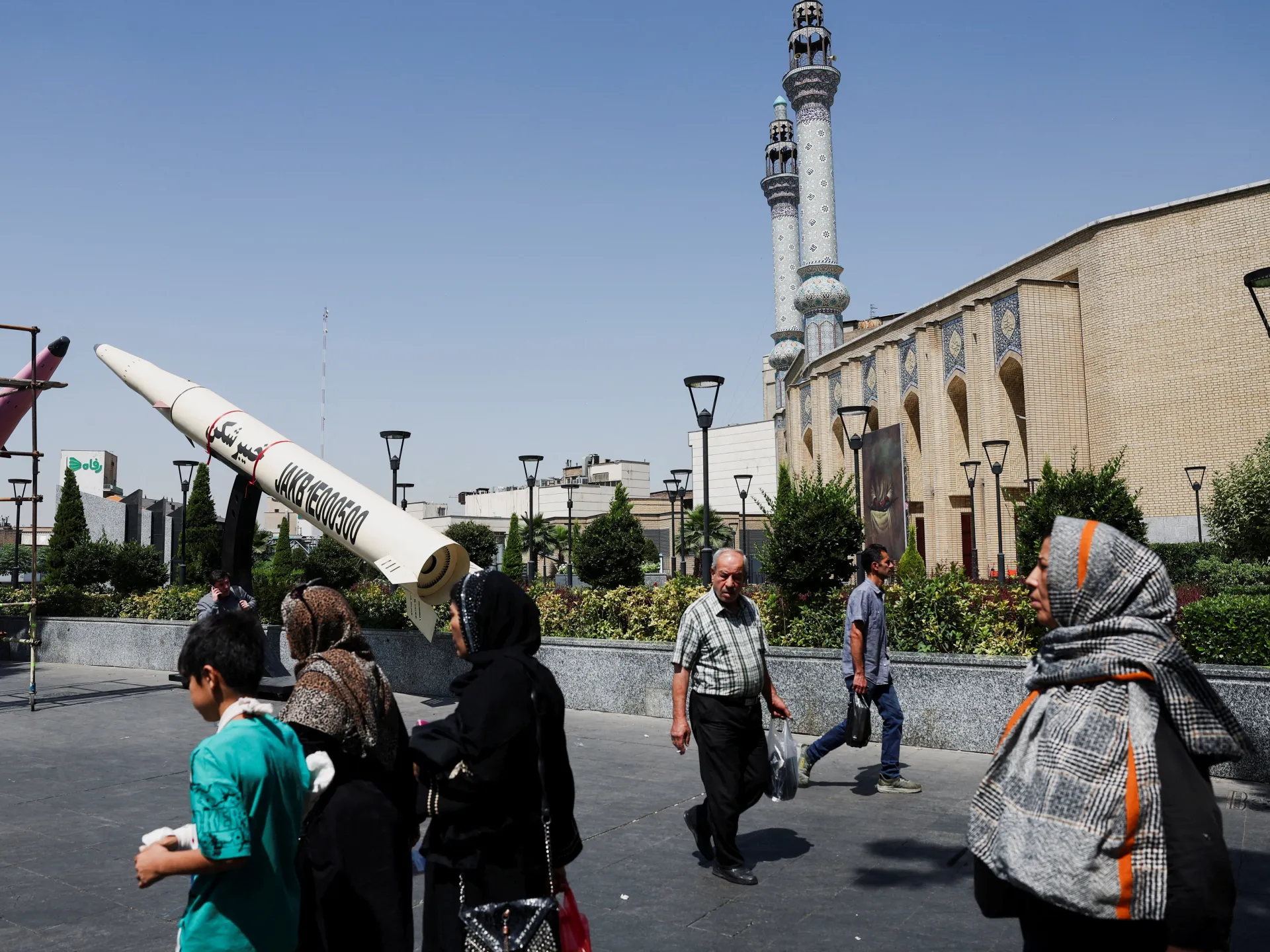
Diplomatic Efforts Intensify Between US and Iran
In a significant development, both the United States and Iran have indicated that an agreement to resolve the protracted conflict may be on the horizon. Statements from officials in both nations suggest that a framework for a deal has been largely established, although critical implementation steps remain to be finalized. This diplomatic push comes amidst continued military engagements, particularly in Lebanon, which observers view as a crucial test for the durability of any peace accord.
Iranian Foreign Minister Abbas Araghchi conveyed on Friday that a memorandum of understanding with Washington was closer than ever before. He cautioned media outlets against premature speculation regarding the specifics of the agreement until its official finalization. Interestingly, US President Donald Trump later amplified Araghchi's comments on social media, a notable shift after previously dismissing reports about the deal as 'fake news.' Pakistan's Prime Minister Shehbaz Sharif, whose country has played a mediating role in the discussions, confirmed that a 'final, agreed-upon text' had been drafted, while acknowledging that certain 'next steps' were still pending completion.
Internal Dynamics and Potential Incentives
Reporting from Tehran, Al Jazeera's Mohamed Vall highlighted that Araghchi acknowledged some internal disagreements within Iran's leadership concerning the proposed memorandum of understanding. However, Araghchi characterized these differences as manageable, expressing optimism that a consensus could be reached imminently. The initial phase of the proposed deal is understood to encompass a comprehensive ceasefire across all active fronts, including Lebanon, the cessation of the Strait of Hormuz blockade, and the establishment of a mechanism for unfreezing Iranian assets. Vall emphasized that the successful implementation and sustainment of a ceasefire in Lebanon would serve as a critical indicator of the agreement's overall viability.
Further details emerging from Iranian state media, citing senior official Mohsen Rezaei, suggest that President Trump has reportedly consented to the release of approximately $24 billion in frozen Iranian assets. Despite these claims, President Trump has not publicly confirmed this specific aspect of the deal, having previously dismissed similar reports from Iran as 'fake news.'
US Stance and Strategic Considerations
From the US perspective, Al Jazeera's Alan Fisher noted President Trump's accusations that Iran has been leaking 'fake' and inaccurate details of the proposed agreement. Trump described Tehran as 'very dishonorable' and urged it to 'get their act together' swiftly. Despite this sharper rhetoric, US officials, including Vice President JD Vance, have affirmed that substantial progress is being made. They also indicated that Iran could receive various incentives contingent upon its adherence to agreed-upon 'benchmarks.'
Amid these diplomatic overtures, CENTCOM reported that US forces successfully intercepted multiple Iranian attack drones over the Strait of Hormuz. These drones were allegedly targeting commercial vessels transiting the vital trade route, though maritime traffic reportedly remained uninterrupted. Mike Hanna, reporting from Washington, DC, offered an analysis that President Trump's fluctuating rhetoric reflects a desire to secure a deal with Iran and disengage from the protracted conflict. Hanna suggested that an agreement could offer the president a strategic 'off-ramp' from the significant political and economic burdens associated with a prolonged war.
Continued Conflict in Lebanon Poses Challenges
Despite assurances from Iranian officials that Lebanon would be included in any proposed ceasefire agreement, the situation on the ground indicates a different reality. Al Jazeera's Heidi Pett reported renewed Israeli attacks on towns in the Tyre and Nabatieh districts. Furthermore, a 'wide-ranging forced displacement order' was issued, impacting more than 20 communities in Nabatieh and Jezzine. This escalation suggests no discernible slowdown in the fighting, casting a shadow over the prospects of a comprehensive ceasefire.
Former US diplomat Henry Ensher provided an important perspective, telling Al Jazeera that Lebanon has historically been viewed by Iran as an 'instrument' of its foreign policy. He cautioned that any Israeli withdrawal from southern Lebanon would inevitably be 'a process,' rather than an immediate event. Ensher warned that numerous factors could still derail the fragile peace efforts, stressing that any agreement between Washington and Tehran would, at best, be 'an agreement to start a process,' rather than a definitive final settlement.
Source: Original Article
Related Articles
 news
news
Vietnamese Authorities Dismantle Major Cat Theft Ring, Rescuing Hundreds of Felines
 news
news
Controversial Property Fair in London Sparks Debate Over Israeli Settlements
 news
news
UK Prime Minister Condemns 'Reckless' Russian Warning Shots in English Channel
 news
news