
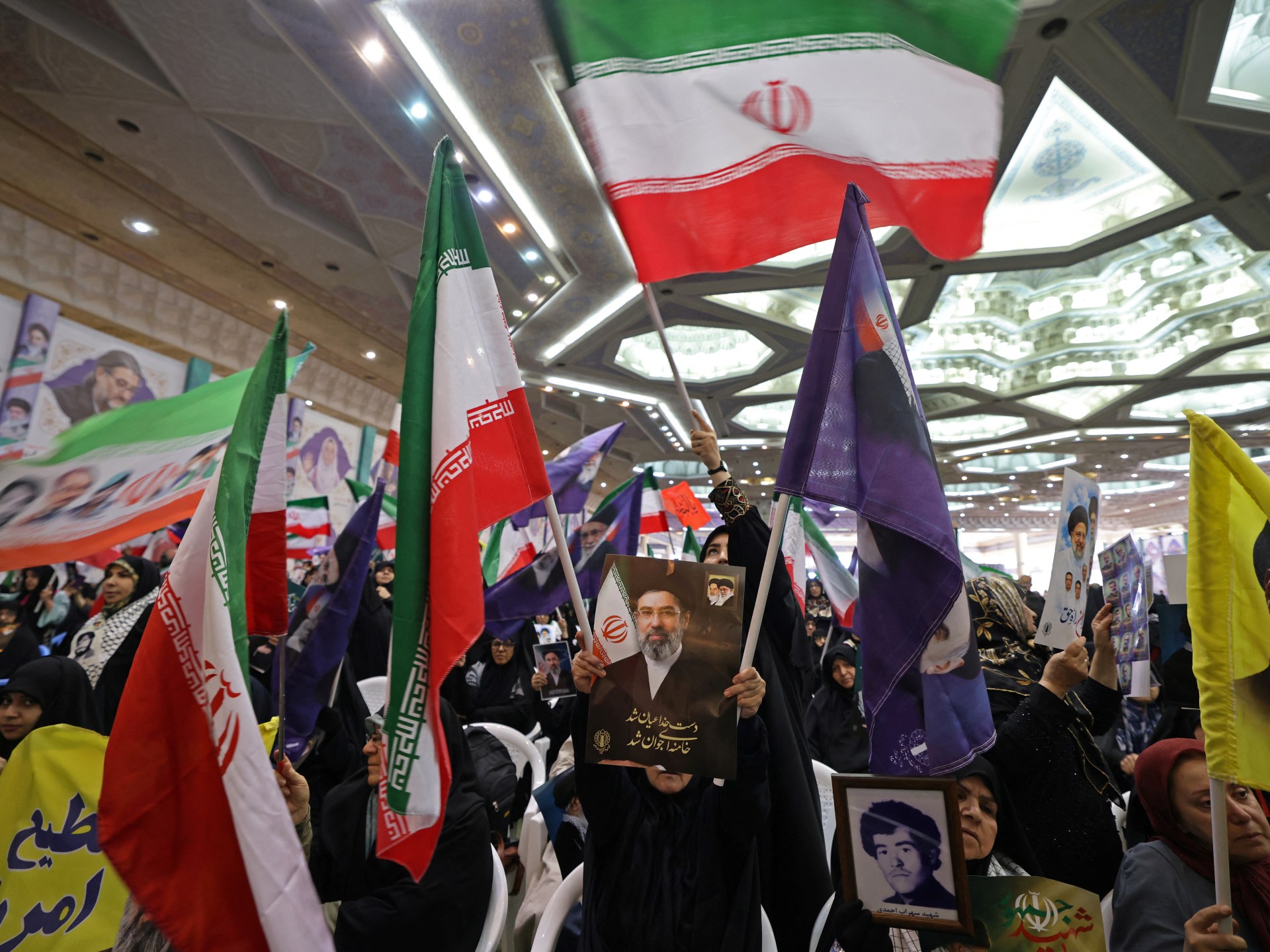
Negotiations Face Hurdles as Key Issues Remain Unresolved
Reports emerging from Iranian media outlets suggest that the anticipated deal between the United States and Iran might not materialize in the immediate future. The primary impediment appears to be a lack of consensus on several fundamental issues that are central to the proposed agreement.
While the specifics of these contentious points have not been fully disclosed, the general sentiment indicates that significant gaps remain between the negotiating parties. This impasse has reportedly dampened earlier hopes that a resolution was imminent, leading to a more cautious outlook regarding the timeline and ultimate success of the talks.
President Trump's Stance on Urgency
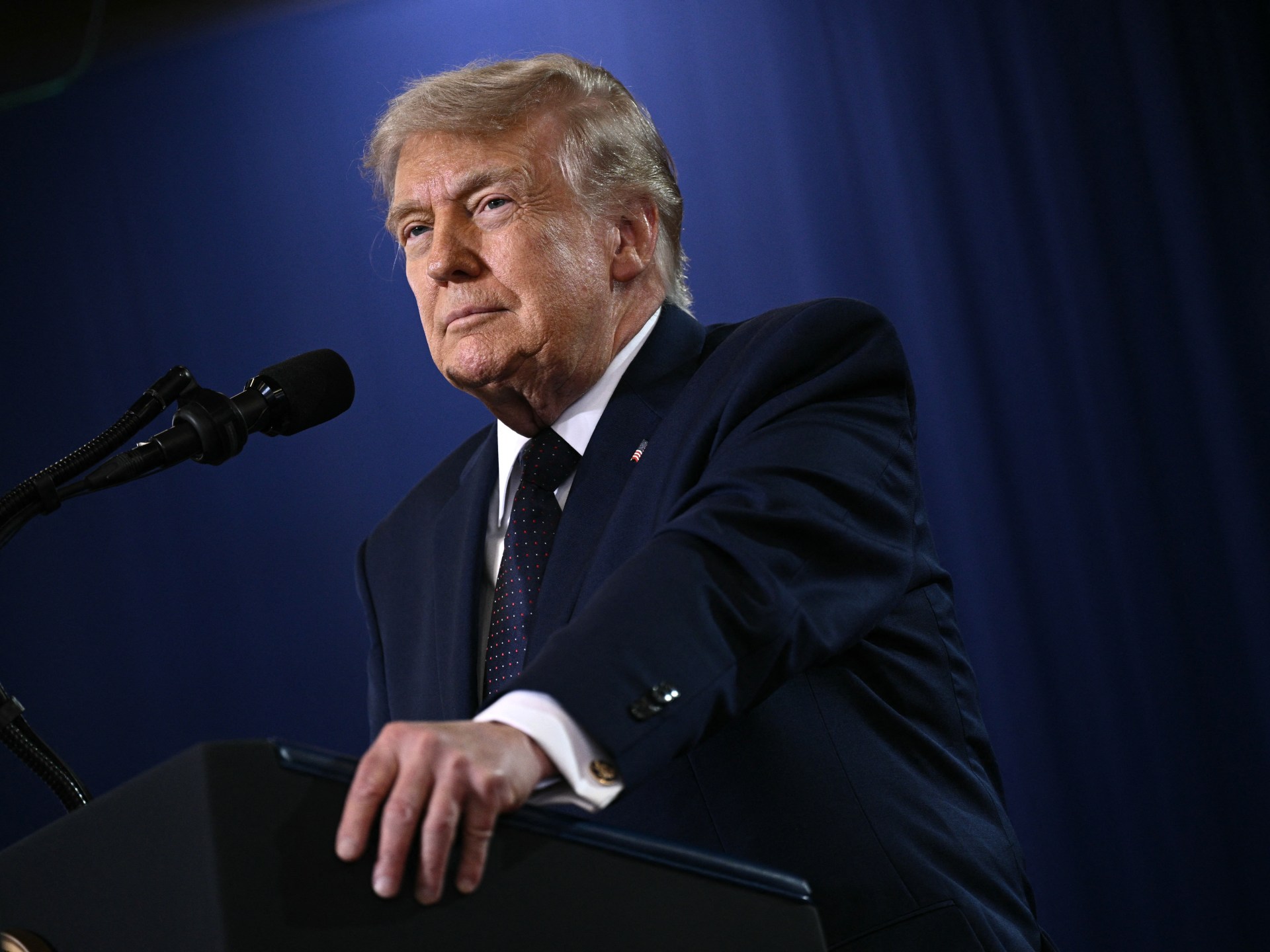
"We're not in a rush to sign a deal. We're in no rush whatsoever." - President Trump
Further contributing to the diminished optimism, President Trump has publicly stated that the United States is not under any pressure to finalize an agreement quickly. This declaration potentially signals a strategic approach from the US side, suggesting a willingness to allow negotiations to proceed at a measured pace rather than pushing for a rapid conclusion.
Such a stance could be interpreted in various ways. It might indicate that the US believes the current terms are not sufficiently favorable, or that it is prepared to wait for Iran to make further concessions. Conversely, it could also imply a recognition of the complexity of the issues at hand, necessitating thorough deliberation rather than hasty decisions.
Impact on Regional Dynamics and Global Perceptions
The prolonged uncertainty surrounding a potential deal has broader implications, particularly for regional stability and international relations. A lack of resolution could maintain, or even heighten, tensions in the Middle East, affecting various stakeholders and their geopolitical strategies.
From a global perspective, the progress, or lack thereof, in these negotiations is closely watched by major powers and international organizations. The outcome could set precedents for future diplomatic engagements with other nations facing similar challenges, influencing approaches to nuclear proliferation, sanctions, and international security.
Historical Context and Future Outlook
The current discussions occur against a backdrop of complex historical relations between the US and Iran, marked by periods of intense diplomatic engagement and significant friction. Previous attempts at reaching comprehensive agreements have often encountered substantial obstacles, underscoring the deep-seated mistrust and divergent strategic interests that characterize their relationship.
Moving forward, the path to a mutually acceptable agreement will likely require significant diplomatic efforts and potential compromises from both sides. The role of international mediators, if any, could become increasingly crucial in bridging the remaining divides. The ongoing reports from Iranian media and statements from US officials will continue to provide insights into the evolving nature of these critical negotiations.
Source: Al Jazeera
Related Articles
 world
world
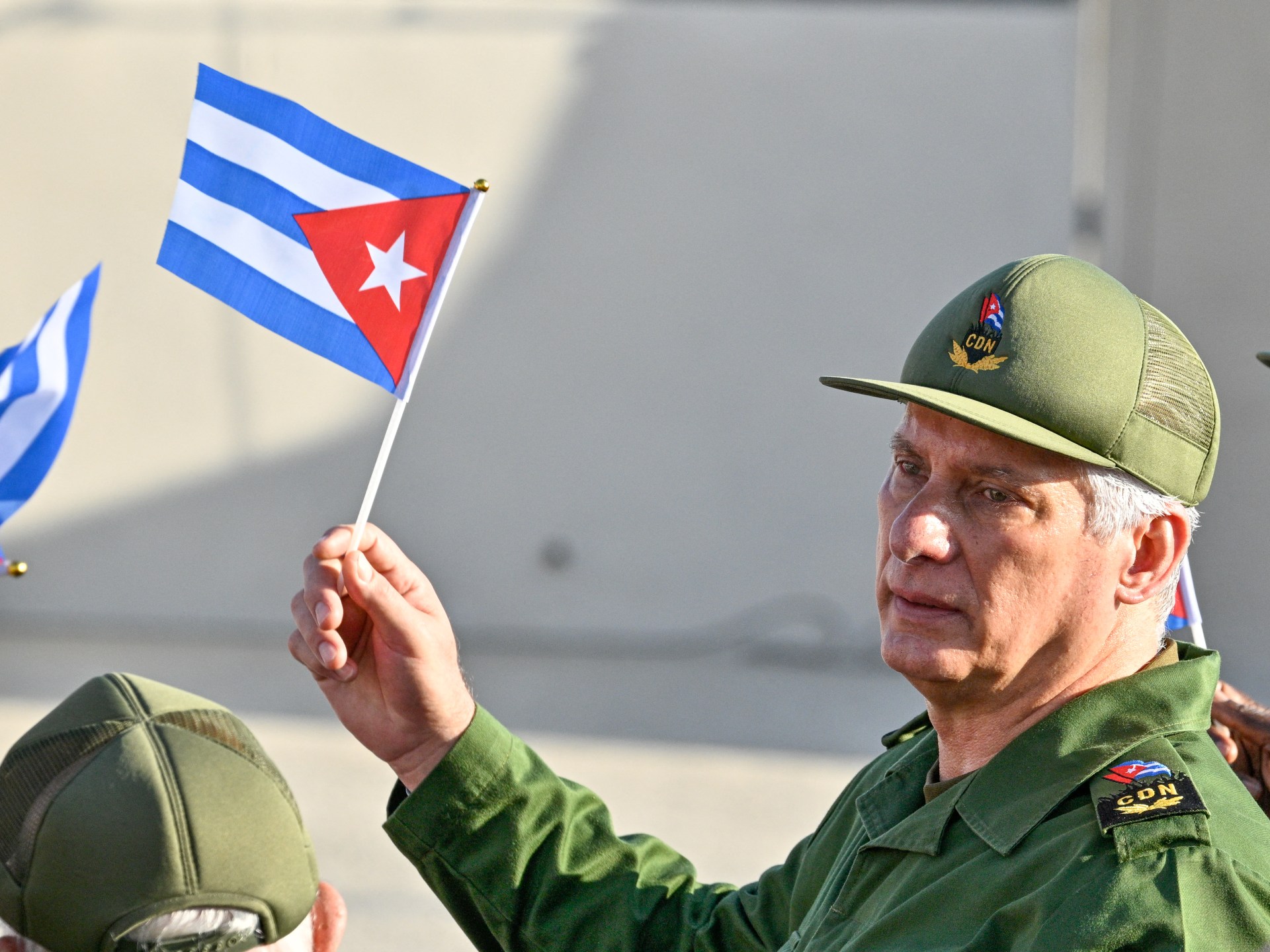
China Provides Rice Aid to Cuba Amidst Humanitarian Challenges
 world
world
Iran and US Negotiations: Agreement Not Imminent Despite Reported Progress
 world
world
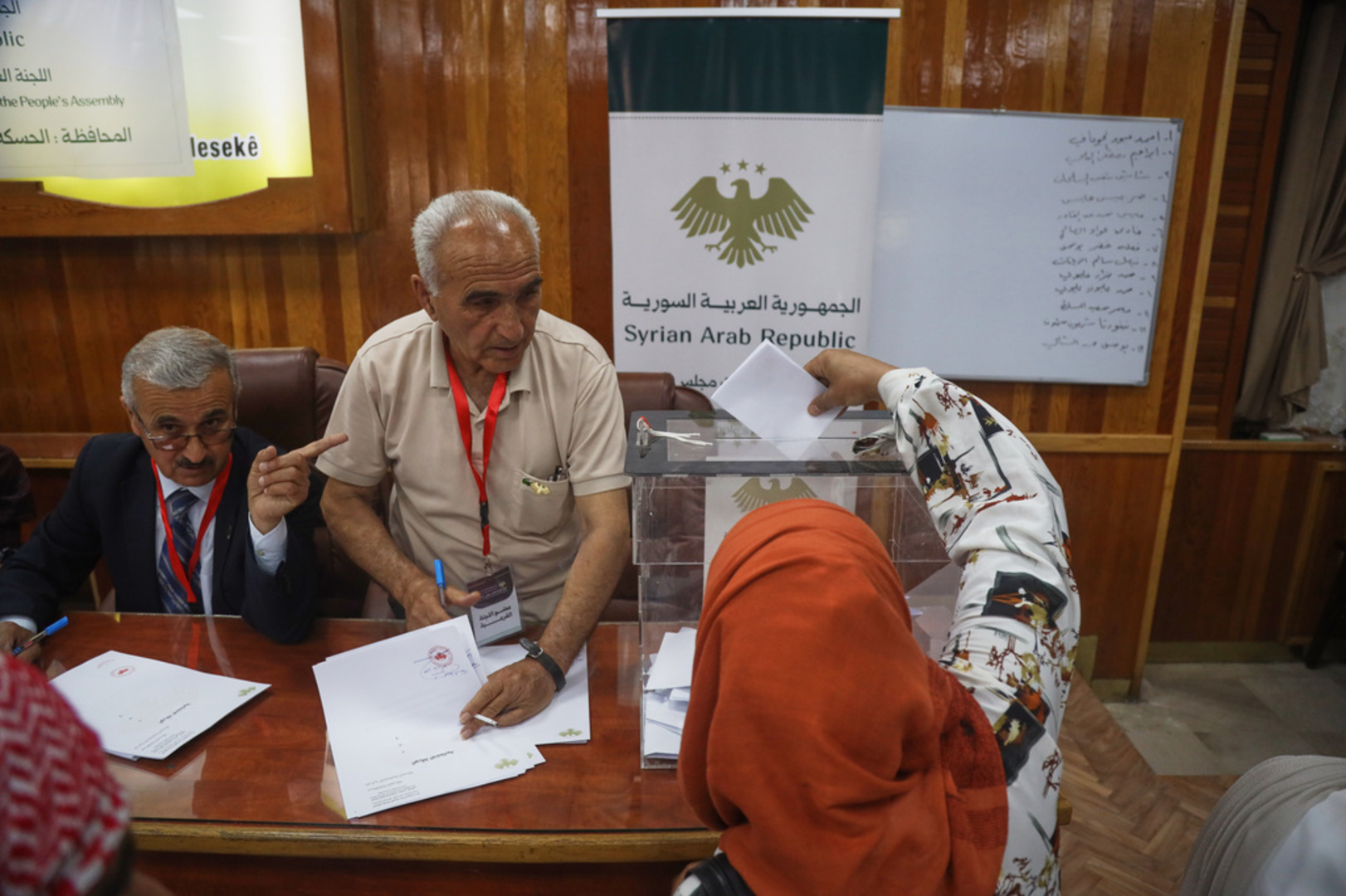
Syrian Legislative Elections Extend to Formerly Kurdish-Held Regions
 world
world