
Congressional Action on Iran Policy
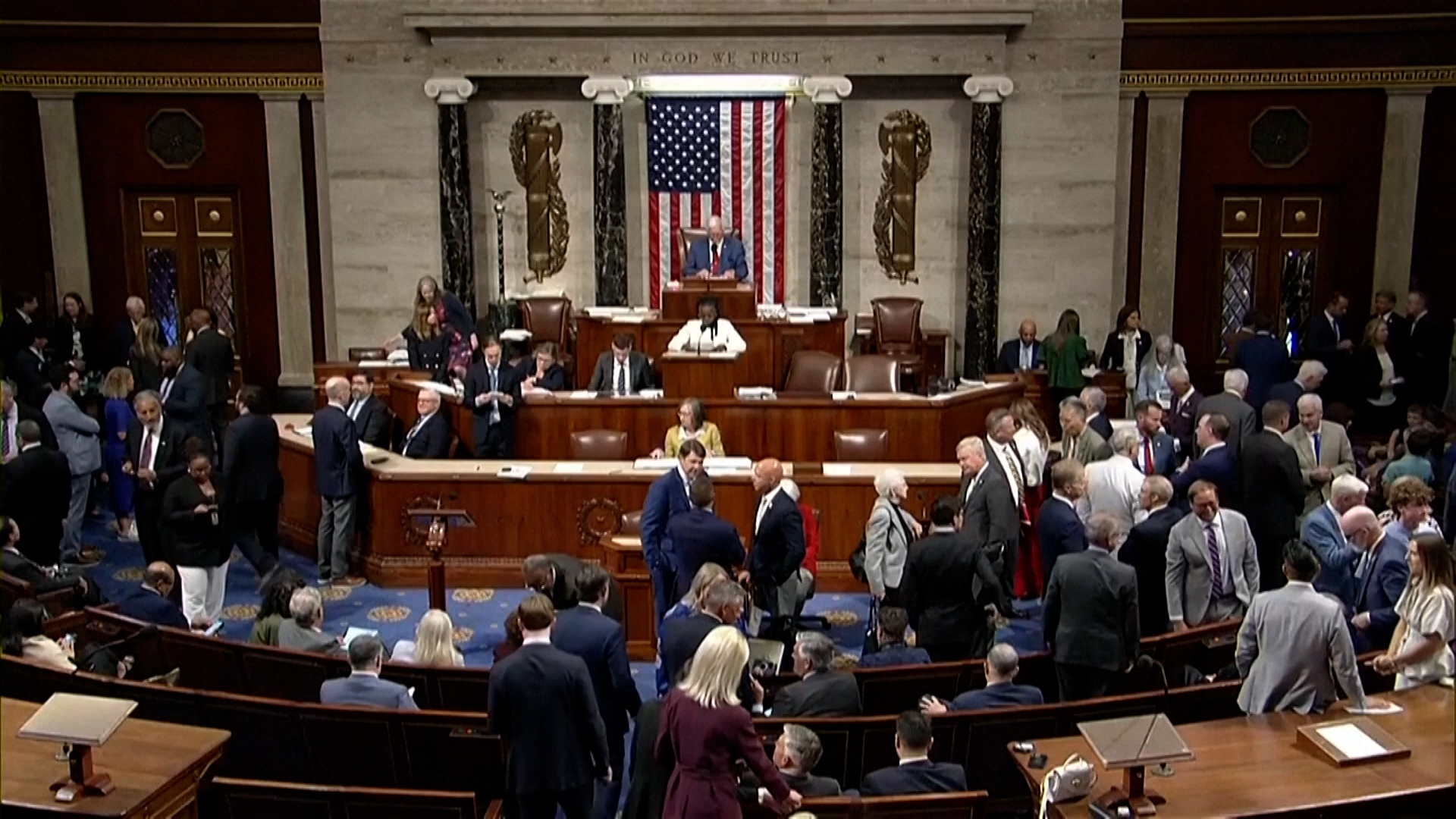
The United States House of Representatives recently took a significant step regarding the nation's foreign policy towards Iran, passing a resolution designed to curb any additional military engagement. This legislative action signals a notable effort by lawmakers to assert congressional authority over the executive branch's ability to initiate or expand armed conflict in the Middle East.
Legislative Details and Intent
While specific details of the resolution were not extensively publicized in the initial report, the core intent was clear: to prevent the United States from entering into a broader conflict with Iran without explicit congressional authorization. Such resolutions typically invoke the War Powers Resolution of 1973, which aims to limit the President's power to commit the U.S. to armed conflict without the consent of Congress. The passage of this measure by the Republican-led House indicates a potential bipartisan consensus on the need for careful consideration before any further military actions against Tehran.
The passage of this resolution underscores a desire within Congress to ensure that any significant military commitment involving Iran receives thorough debate and approval from the legislative body, reflecting a constitutional prerogative.
Historical Context of US-Iran Tensions
Relations between the United States and Iran have been fraught with tension for decades, marked by periods of diplomatic engagement, economic sanctions, and occasional military confrontations. Key moments include the 1979 Iranian Revolution, the Iran-Contra affair, and more recently, the withdrawal from the Joint Comprehensive Plan of Action (JCPOA), commonly known as the Iran nuclear deal. Each of these events has contributed to a complex and often volatile dynamic, making any potential for further military escalation a matter of grave concern for policymakers and the public alike.
The Role of Congress in Foreign Policy
The U.S. Constitution grants Congress the power to declare war, raise and support armies, and provide for a navy. However, the executive branch, led by the President, often exercises significant influence over foreign policy and military actions. The War Powers Resolution was enacted to reassert congressional authority in this domain, requiring the President to consult with Congress before introducing U.S. armed forces into hostilities and to remove them within 60 days if Congress has not declared war or granted an extension. The recent House vote highlights the ongoing tension and debate between the legislative and executive branches over their respective roles in initiating military action.
Implications for Future Policy
The passage of this resolution sends a strong message regarding congressional sentiment on Iran. It suggests that a significant number of lawmakers are wary of a direct military confrontation and seek to ensure that any such decisions are made with the full endorsement of the legislative branch. While the resolution's immediate practical impact on executive actions may vary, it serves as an important political statement and could influence future policy decisions and diplomatic efforts concerning Iran.
Source: Al Jazeera
Related Articles
 politics
Federal Judge Overturns Trump-Era Immigration Restrictions Affecting 39 Nations
 politics
Trump Addresses Farmers in Wisconsin Amid Economic Challenges and Tariff Concerns
 politics
Satirical 'Cockroach People's Party' Organizes Protest in New Delhi
 politics