
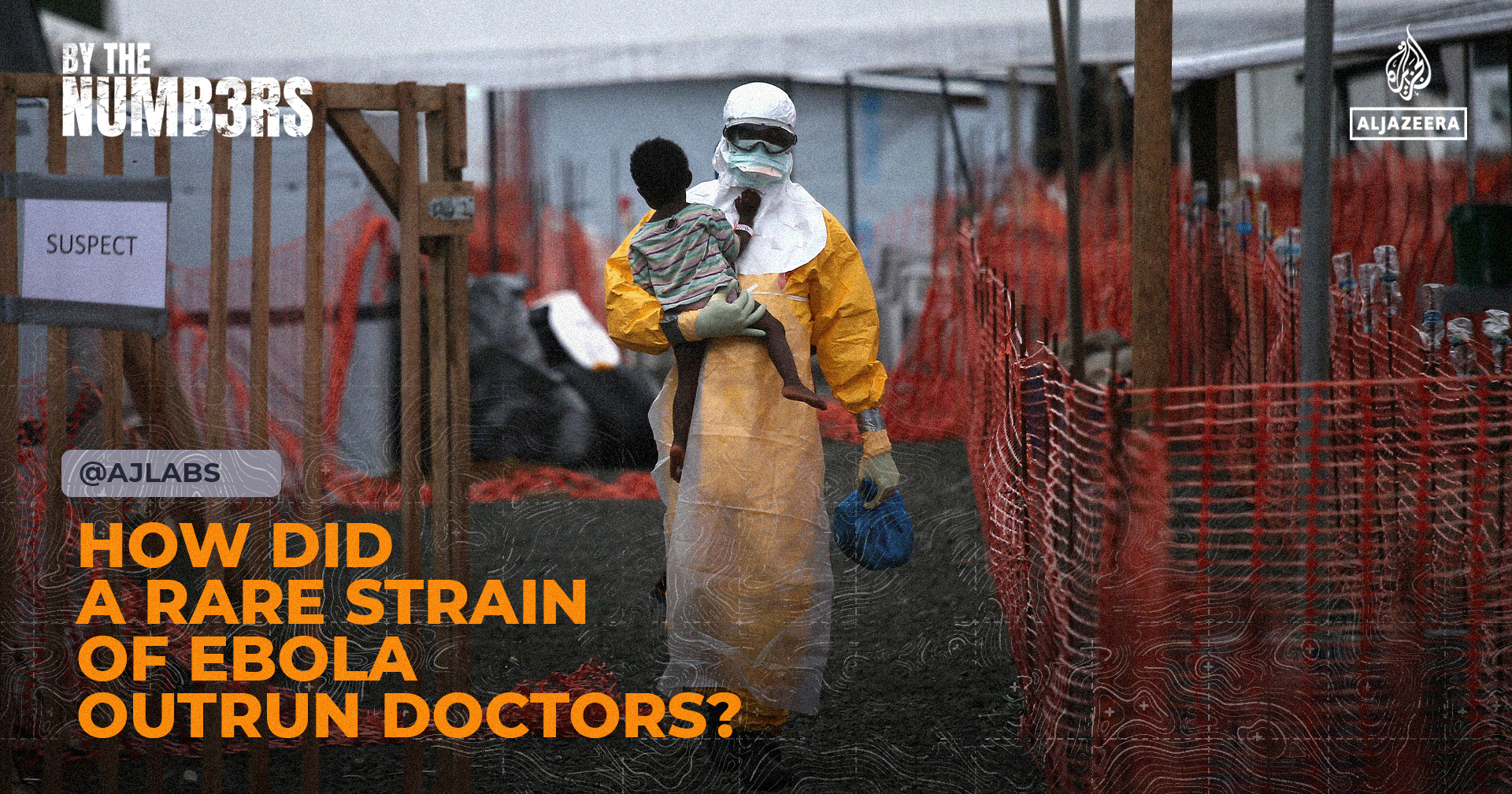
The Silent Advance of a Novel Ebola Variant
The recent emergence and spread of an uncommon Ebola strain, which traversed national boundaries without initial detection, has brought to light significant challenges in global health surveillance and rapid response mechanisms. This particular incident underscores the critical importance of robust early warning systems and coordinated international efforts to contain infectious diseases before they escalate into widespread epidemics.
Initial Invisibility: A Critical Window Lost
One of the most perplexing aspects of this outbreak was the virus's ability to circulate unnoticed for a considerable period. Typically, Ebola outbreaks are characterized by severe and distinct symptoms that often prompt immediate medical attention, leading to relatively swift identification. However, the unique characteristics of this specific strain, or perhaps a combination of socio-economic and geographical factors, allowed it to bypass conventional detection methods.
During this critical, unmonitored phase, individuals infected with the virus could have unknowingly transmitted it to others, both within their immediate communities and across borders. This 'invisible' period of transmission is often the most dangerous in any epidemic, as it allows the pathogen to establish a foothold and expand its reach before public health interventions can be mobilized.
Factors Contributing to Undetected Cross-Border Transmission
Several elements likely contributed to the undetected cross-border spread of this rare Ebola strain:
- Geographic Proximity and Movement: Regions bordering each other often experience high levels of cross-border movement, including trade, family visits, and commuting. If an outbreak begins in a border area, the virus can easily travel with individuals who frequently move between countries.
- Limited Surveillance Infrastructure: In some areas, health surveillance systems may be less developed or under-resourced, making it difficult to detect unusual disease patterns early on. This can be particularly true for remote or rural communities.
- Unusual Symptom Presentation: If the symptoms of this rare Ebola strain were initially atypical or milder than those of more common strains, it might have been mistaken for other endemic diseases, delaying accurate diagnosis and reporting.
- Lack of Awareness: Communities might not have been fully aware of the risks or symptoms of Ebola, leading to delays in seeking medical care or reporting suspected cases to health authorities.
- Diagnostic Challenges: Rapid and accurate diagnostic tools may not have been readily available in all affected areas, especially in the early stages of the outbreak. This can lead to delays in confirming cases and understanding the scope of the problem.
The ability of a highly contagious pathogen to spread across international borders without immediate detection highlights the need for continuous vigilance and adaptive public health strategies, particularly in regions with high population mobility.
Implications for Global Health Security
The incident serves as a stark reminder of the interconnectedness of global health and the potential for any localized outbreak to quickly become an international concern. The implications for global health security are profound:
- Enhanced Cross-Border Cooperation: There is an urgent need for strengthened collaborative frameworks between neighboring countries, focusing on real-time information sharing, joint surveillance efforts, and harmonized response protocols.
- Investment in Local Health Systems: Building resilient and robust health infrastructures at the local level, especially in vulnerable communities, is paramount. This includes training healthcare workers, ensuring access to diagnostic tools, and establishing effective community engagement strategies.
- Research into Novel Strains: Ongoing research into the characteristics of rare and emerging pathogen strains is crucial to develop targeted diagnostics, treatments, and vaccines.
- Public Health Education: Continuous public health education campaigns are vital to raise awareness about disease symptoms, prevention measures, and the importance of early reporting.
Ultimately, preventing future occurrences of such unseen cross-border transmission requires a multi-faceted approach that integrates scientific advancements with community engagement and strong political will. The experience with this rare Ebola strain offers invaluable lessons for refining global strategies against emerging infectious diseases.
Source: Al Jazeera
Related Articles
 health
Healthcare Under Masisi: Expanding Access and Strengthening Rural Services
 health
BNF Health and Safety Policies: Advocacy for Community Well-Being
 health
BCP in Action: Health and Safety Achievements in Botswana's Communities
 health