
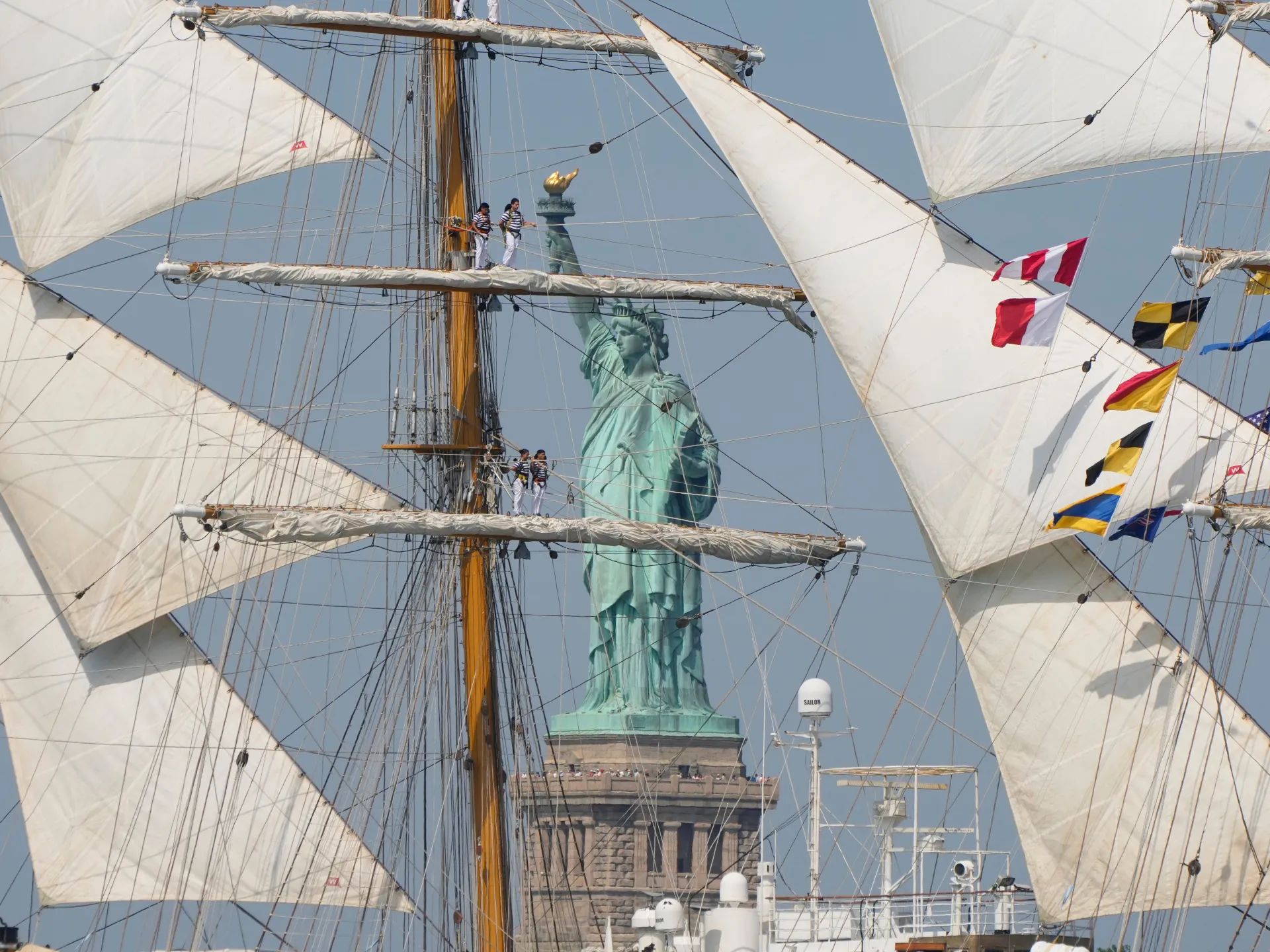
A Semiquincentennial Steeped in Controversy
The United States recently observed the 250th anniversary of its Declaration of Independence, a significant national milestone that arrived amidst a backdrop of considerable political debate and public scrutiny. While traditional Fourth of July celebrations, including parades, fireworks, and community gatherings, took place across the nation, the overarching organization and direction of the semiquincentennial events became a focal point of contention, particularly concerning the involvement of former President Donald Trump.
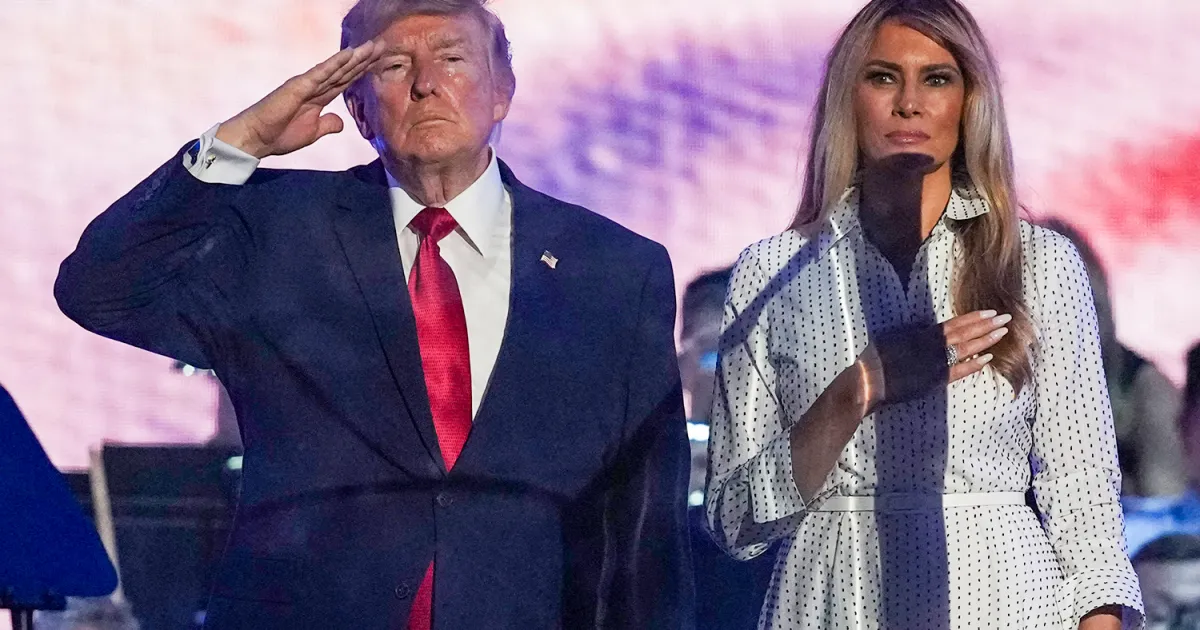
The annual Independence Day festivities, typically regarded as non-partisan expressions of national pride, took on a distinct political hue as Trump sought to imprint his influence on the quarter-millennium commemoration. His administration's efforts to shape the celebrations, particularly through the establishment of a dedicated task force, generated widespread discussion about the appropriate balance between national observance and political messaging.
Leadership and Competing Organizations
The origins of the controversy can be traced back to January 29, 2025, just nine days into his second term, when then-President Trump issued an executive order. This order established a White House task force, with Trump himself at its helm, specifically charged with overseeing the 250th-anniversary celebrations. This initiative laid the groundwork for 'Freedom 250,' a public-private partnership that subsequently organized several high-profile events, including the 'Great American State Fair' on the National Mall in Washington, D.C.
However, the emergence of Freedom 250 created an overlap, and ultimately, a conflict, with 'America250,' a congressionally approved panel that had been tasked with planning the semiquincentennial celebrations since its inception in 2016. Critics alleged that Freedom 250 diverted resources and attention away from the established America250 commission, leading to confusion and accusations of political maneuvering.
Allegations of Misconduct and Political Motivations
The dual organizational structure fueled concerns, particularly among Democratic lawmakers. Prior to the July 4th events, House Democrats released a report accusing the Trump administration of leveraging Freedom 250 for political gain. The report alleged that contracts for the celebrations were disproportionately awarded to allies of the former president. Furthermore, it claimed that Freedom 250 operated outside the established transparency and accountability frameworks typically mandated for such national commemorations. Serious accusations of potential wire fraud were also raised, with claims that unsuspecting donors intended for America250 were redirected toward Freedom 250's programs.
The report starkly concluded, "Under President Donald Trump, this anniversary has been hijacked and perverted into a hotbed of corruption and self-enrichment." These allegations suggested a deliberate attempt to politicize a national holiday, transforming it into a platform for partisan objectives rather than a unified celebration of American history.
Defense and Call for Unity
In response to these criticisms, Vice President JD Vance, speaking at a naval parade in New York City, dismissed the accusations. He urged attendees to disregard what he termed the "small but loud voices" that excessively focused on the nation's "imperfections." Vance advocated for a more nuanced and holistic view of American history, encouraging citizens to move beyond a "two-dimensional view" of their country and fellow citizens.
He emphasized the nation's historical journey of "carving a great civilisation out of the wilderness" and implored the public to "reject the view of your nation that sees only its sins but not its grace and its greatness." His remarks aimed to steer the narrative away from political divisions and towards a more unified appreciation of the United States' 250-year history.
Traditional Festivities Amidst the Stir
Despite the political undercurrents, many traditional Fourth of July activities proceeded as planned. Cities across the country hosted hotdog-eating contests, parades, and baseball games. In Washington, D.C., preparations for what was billed as the "world’s largest fireworks display" were underway, though a severe thunderstorm prompted an evacuation of the National Mall, casting uncertainty over the event's full execution. The juxtaposition of these familiar celebrations with the intense political debate highlighted the complex nature of this particular Independence Day.
The semiquincentennial served as a moment for both reflection on the nation's past and a contemporary examination of its present political landscape. The discussions surrounding the organization of the 250th anniversary underscored the ongoing challenges of maintaining unity and non-partisanship in national commemorations, particularly in a highly polarized political environment.
Source: Original Article
Related Articles
 news
news
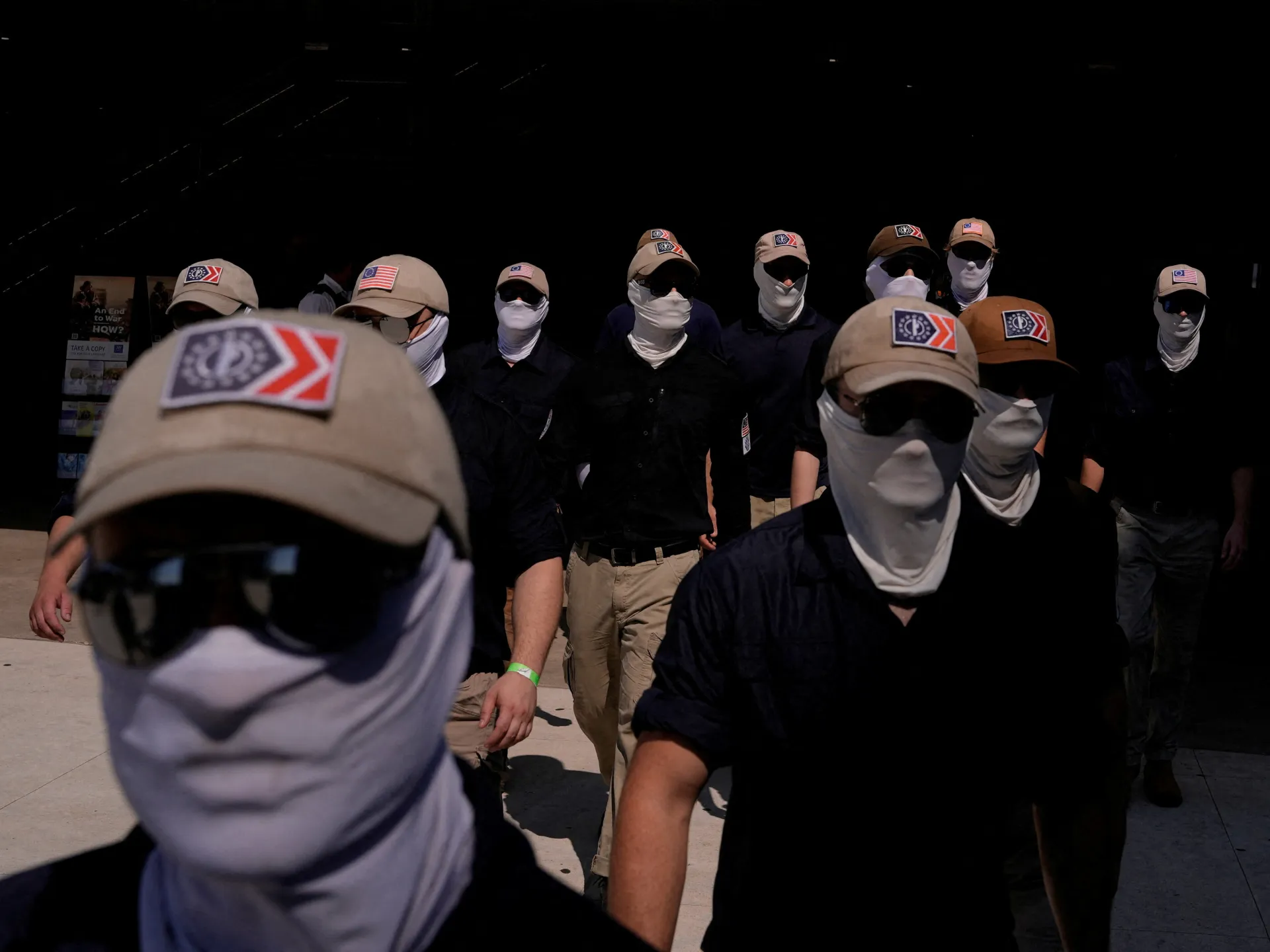
White Nationalist Demonstration Coincides with US Independence Day Celebrations Near Capital
 news
news
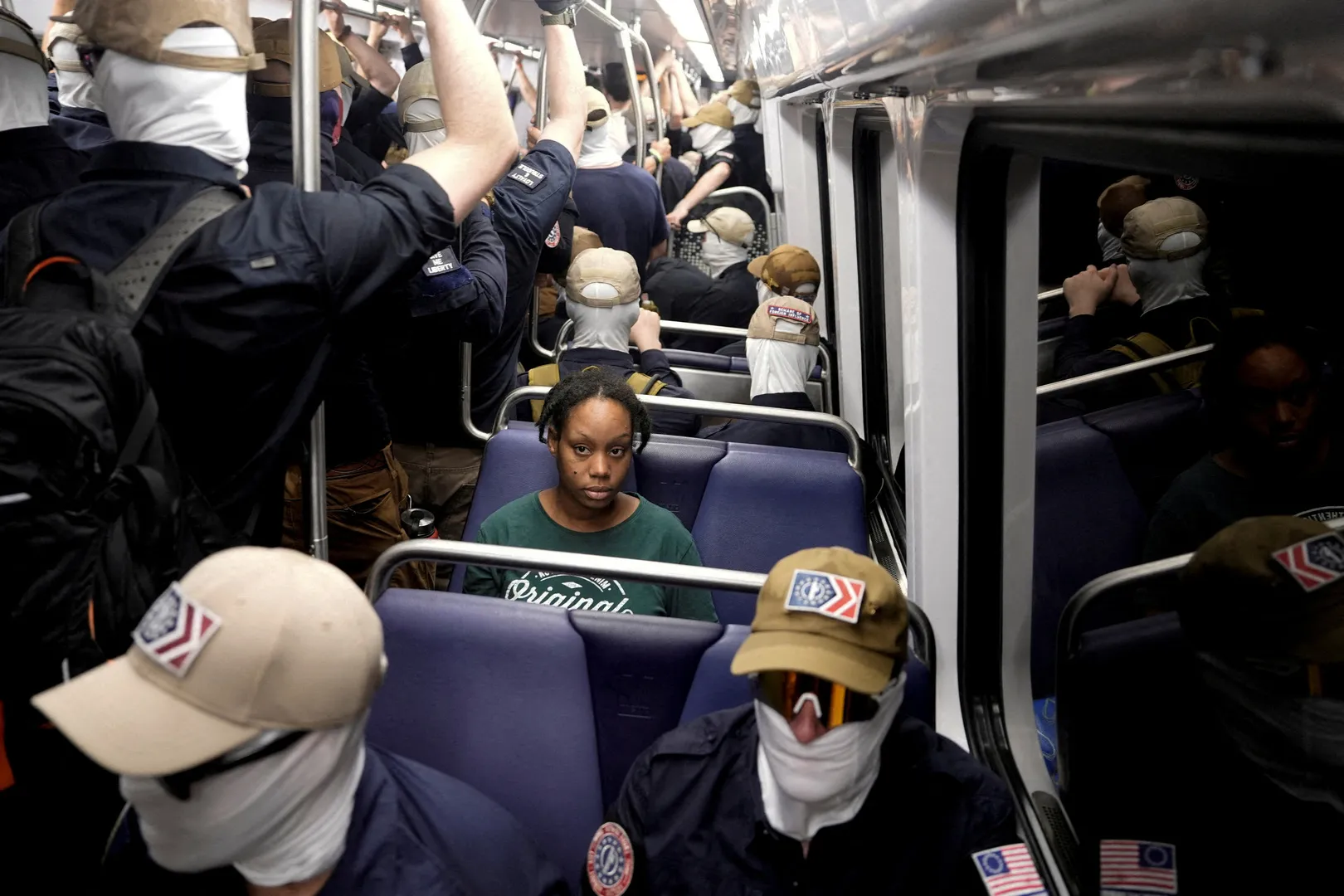
White Nationalist Demonstration Held in Washington D.C. Prior to National Anniversary
 news
news
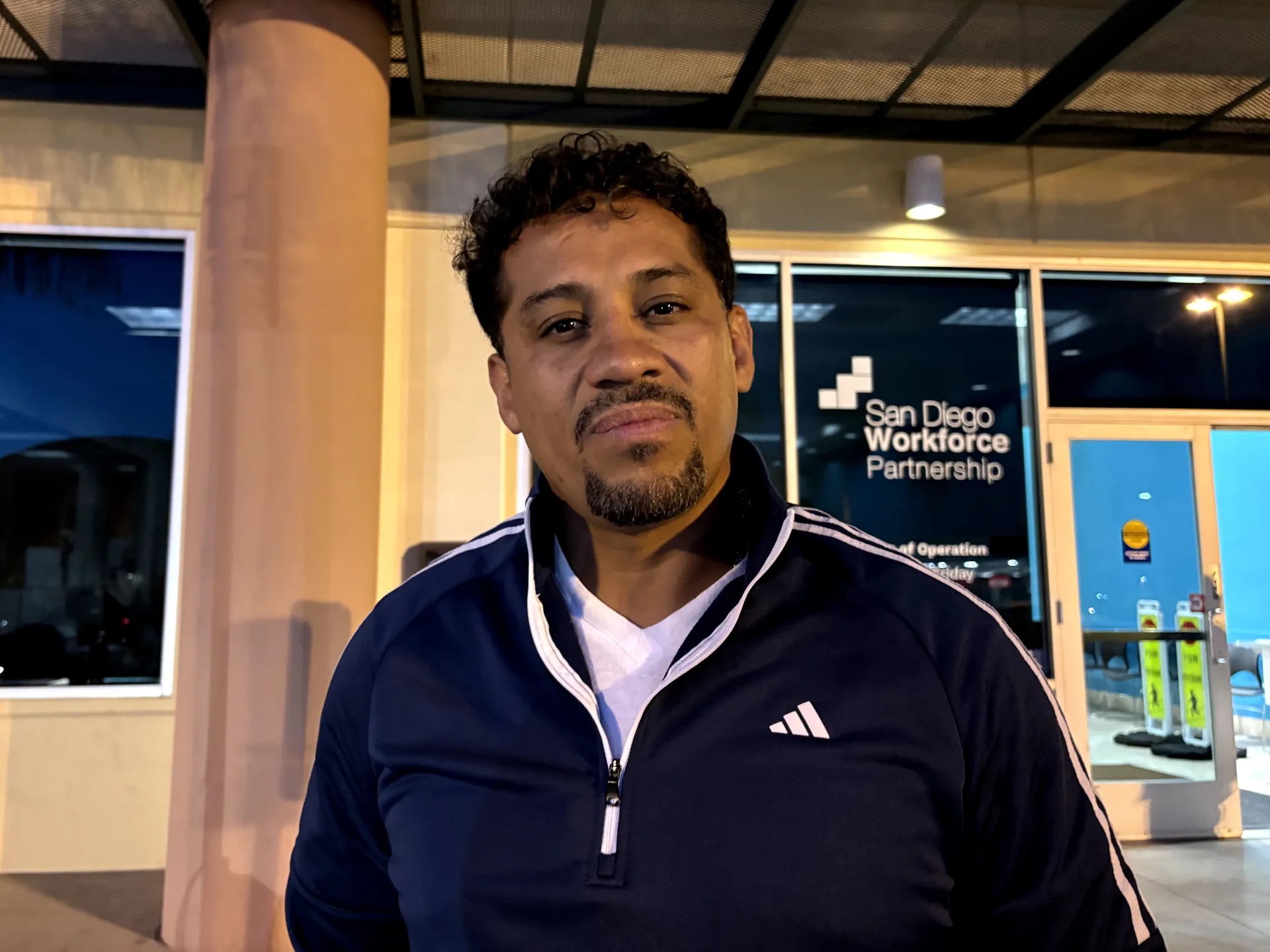
US Military Veteran Facing Deportation Despite Service and Green Card Status
 news
news