
Overview of Visa Issues at the World Cup
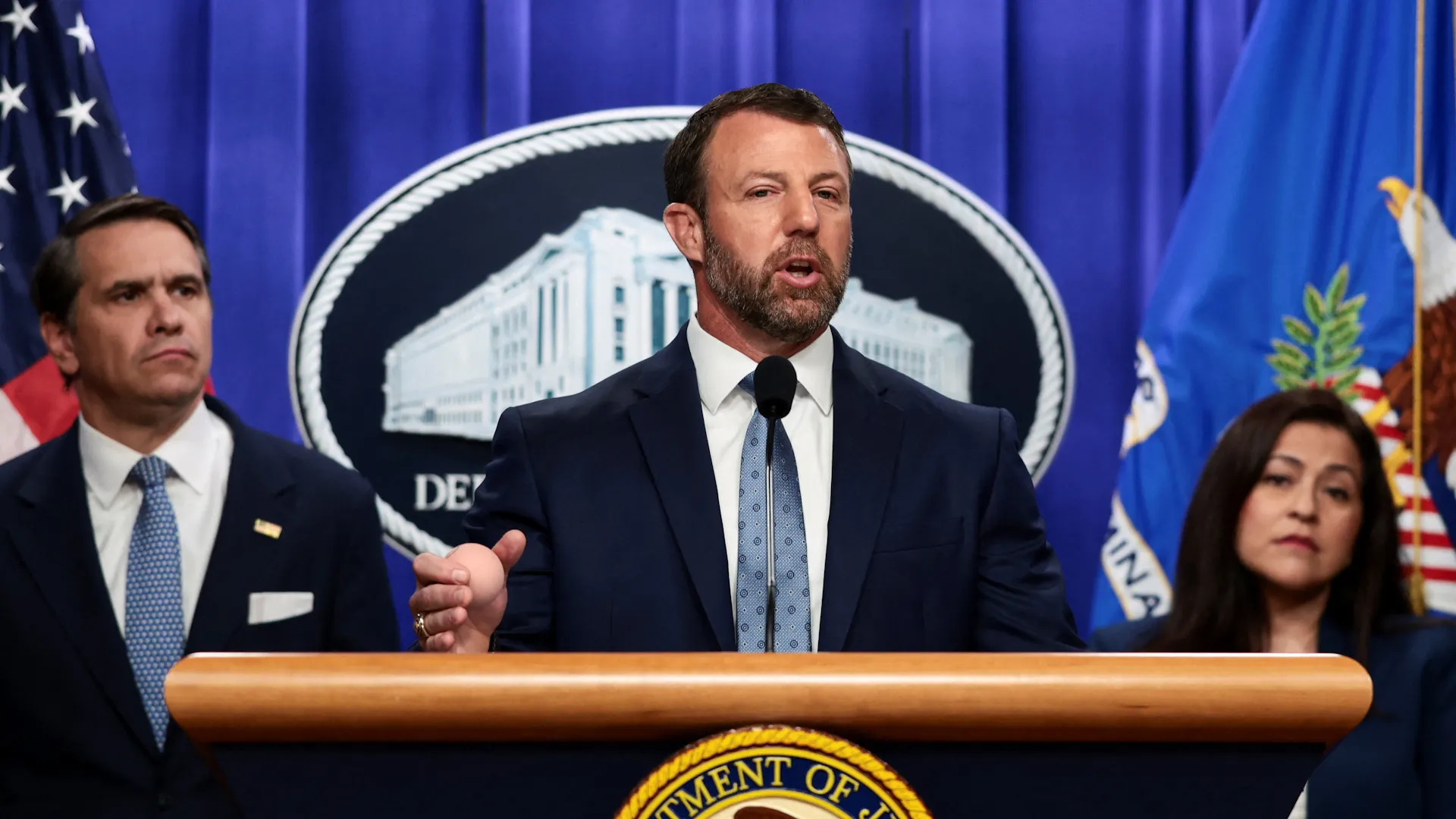
The United States has recently addressed concerns surrounding visa denials that have reportedly prevented a number of officials and fans from attending the ongoing World Cup. This situation has drawn considerable attention and criticism, particularly directed at the U.S. government's immigration policies and their perceived impact on international events like the World Cup.
The controversy stems from the application of what critics describe as stringent border policies, initially implemented during the Trump administration. These policies have been a point of contention for various international bodies and human rights organizations, who argue that they may lead to discriminatory outcomes. The current administration has inherited these policies and is now facing scrutiny regarding their application in the context of a major global sporting event.
Impact on International Participation
The World Cup, a quadrennial international football tournament contested by the men's national teams of FIFA's member associations, is renowned for its global participation and celebration of diverse cultures. The ability of officials, support staff, and fans from all participating nations to attend is considered fundamental to the spirit of the event. Reports of visa denials have raised questions about whether these foundational aspects are being compromised.
FIFA, the international governing body of football, has also been drawn into the discussion. As the organizer of the World Cup, FIFA is expected to ensure that all participating nations and their supporters can fully engage with the tournament. The organization has reportedly been in communication with U.S. authorities regarding the visa situation, aiming to facilitate smoother entry for accredited individuals and ticket holders.
Criticism and Allegations of Discrimination
A significant portion of the criticism leveled against the U.S. visa policies centers on allegations of discrimination. Critics argue that certain individuals or groups from particular regions or countries are disproportionately affected by the denials. These concerns are not new; discussions around the fairness and equity of visa application processes have been ongoing for several years, particularly in the context of travel from specific parts of the world.
Advocacy groups and human rights organizations have highlighted cases where individuals with legitimate reasons for travel, such as official accreditation or confirmed event tickets, have been denied entry without clear explanations. This lack of transparency, they contend, fuels suspicions of arbitrary or discriminatory practices. The U.S. government, in its defense, typically asserts that all visa applications are processed according to established legal frameworks and national security protocols, and that denials are based on individual assessments rather than broad discriminatory intent.
Government's Stance and Future Implications
The U.S. government's defense of its visa denial decisions underscores its commitment to national security and border integrity. Officials have reiterated that the visa application process is designed to vet all potential visitors thoroughly, ensuring compliance with U.S. immigration laws. They maintain that while the World Cup is an important international event, it does not exempt applicants from meeting the standard requirements for entry.
However, the ongoing backlash suggests a need for a delicate balance between national security concerns and the facilitation of international exchange, especially for high-profile events. The incident has prompted discussions about how host nations can better manage large-scale international gatherings while upholding their immigration policies without alienating participants or fostering perceptions of unfairness.
Looking ahead, the resolution of these issues could have implications for future international events hosted in the United States. Organizers of such events may need to engage more proactively with U.S. authorities to streamline visa processes and address potential obstacles for attendees. The goal would be to ensure that global sporting and cultural events can proceed with maximum inclusivity and minimal disruption for all participants and fans.
The debate surrounding visa denials at the World Cup highlights the complex interplay between national sovereignty, international diplomacy, and global sporting spectacles. As the tournament progresses, the effectiveness of the U.S. government's defense and any subsequent adjustments to its policies will be closely watched by the international community.
Source: Original Article
Related Articles
 news
news
Vietnamese Authorities Dismantle Major Cat Theft Ring, Rescuing Hundreds of Felines
 news
news
Controversial Property Fair in London Sparks Debate Over Israeli Settlements
 news
news
UK Prime Minister Condemns 'Reckless' Russian Warning Shots in English Channel
 news
news