
Understanding Botswana's Unemployment Numbers: A Data-Driven Analysis
Statistics Botswana, the national statistics office, publishes quarterly and annual labour force surveys that form the basis of public debate on jobs. Interpreting those numbers requires understanding definitions, sampling methods, and the distinction between structural and cyclical unemployment. Headline rates often mask sharper disparities — especially among youth, urban residents, and graduates — that shape policy priorities and voter concerns.
Official Definitions and Data Sources
The labour force survey classifies respondents as employed, unemployed, or outside the labour force based on activity in a reference week. Unemployed persons are those without work, available to work, and actively seeking employment. Informal workers, subsistence farmers, and discouraged job-seekers who stop searching may fall into categories that understate or overstate distress depending on interpretation.
Stats Botswana releases breakdowns by age, sex, education, and geography. Analysts cross-reference these with census data, education ministry enrolment figures, and private-sector hiring reports to triangulate trends. Delays between survey periods mean policy debates sometimes rely on slightly dated snapshots — a limitation common to statistical systems worldwide.
Youth Unemployment Trends
Youth unemployment consistently exceeds the national average, with rates often cited above 30 percent for those aged 15 to 24, depending on the survey year and definition. Graduates face particular difficulty matching qualifications to available posts in a small formal economy. Many accept informal trading, piece work, or extended dependence on family networks while continuing to search for permanent positions.
Demographic momentum adds pressure. Botswana's population remains relatively young, with steady flows of school leavers entering the labour market each year. Without proportional job creation, youth unemployment becomes a structural feature rather than a temporary cyclical spike following recession.
Sector and Geographic Analysis
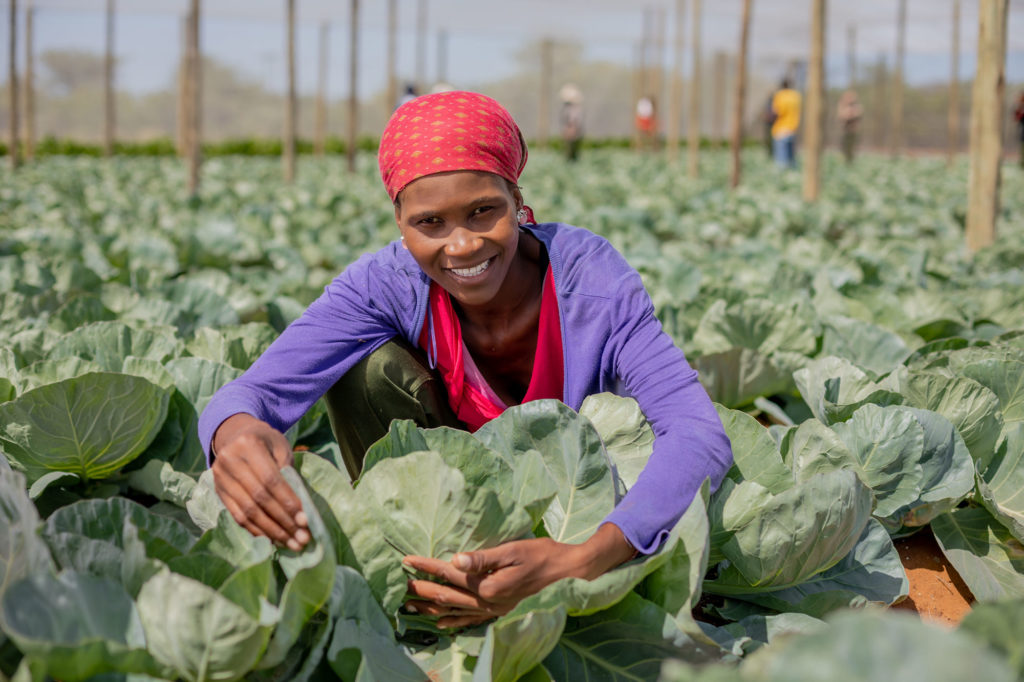
Employment concentrates in public administration, education, health, retail, and mining-related services. Agriculture employs many Batswana but often at subsistence or low-productivity levels not captured as high-quality jobs. Tourism provides seasonal work in Okavango and Chobe regions, while manufacturing remains a smaller share of total employment than policymakers desire.
Urban areas, including Greater Gaborone, Francistown, and Mahalapye, report higher unemployment rates than many rural districts — partly because rural residents engage in unpaid family labour classified differently. Migration toward cities continues, swelling urban job queues even when rural poverty persists.
- National unemployment rate fluctuates in official surveys, often in double digits
- Youth unemployment substantially higher than the overall rate
- Public sector remains a major formal employer
- Urban townships show concentrated joblessness among graduates
- Informal economy absorbs workers not counted as fully employed
Structural Versus Cyclical Unemployment
Cyclical unemployment rises and falls with economic growth, commodity prices, and government spending cycles. When diamond revenues weaken or fiscal austerity constrains hiring, short-term job losses may appear. Structural unemployment reflects deeper mismatches: skills gaps, geographic distance from jobs, and an economic base too narrow to absorb educated entrants.
Most economists assessing Botswana emphasise structural factors. Training systems produce graduates faster than diversified industries mature. Automation and digitalisation may reduce certain clerical roles even as new tech jobs remain scarce. Addressing structural unemployment requires years of investment rather than stimulus alone.
Regional Comparisons
South Africa's unemployment rate, among the highest globally by strict definitions, exceeds Botswana's by a wide margin — though the two economies are intertwined through trade and labour migration. Namibia shares similar small-market constraints and resource dependence, with unemployment challenges of its own. Within SADC, Botswana's governance advantages have not automatically translated into labour-market superiority.
Unemployment statistics describe pressure on households as much as pressure on policy. A single national rate can obscure the experience of young graduates waiting years for a first formal job.
Policy Implications of the Data
Data-driven analysis supports targeted interventions: expanding TVET aligned to employer demand, regional industrial hubs outside Gaborone, and accurate tracking of programme outcomes rather than enrolment alone. Stats Botswana's ongoing methodology updates aim to capture informal work more realistically — a technical change that could shift published rates without altering underlying hardship.
Citizens and journalists increasingly scrutinise whether official figures match lived experience. Transparent methodology, open microdata access for researchers, and regular reconciliation with administrative records would strengthen trust. Until then, unemployment numbers remain essential but incomplete guides to Botswana's economic challenge — best read alongside wages, underemployment, and household consumption indicators that complete the picture.
Related Articles
 business
Botswana's Economic Strengths and Future Outlook: Resilience in Challenging Times
 business
Beyond Diamonds: Botswana's Economic Diversification Success Stories
 business
Ipelegeng and Beyond: How Botswana's Social Safety Nets Support the Unemployed
 business