

Trump Authorizes Patriot Missile Production in Ukraine
In a significant move, U.S. President Donald Trump has granted Ukraine the license to domestically produce Patriot missile systems. These interceptors, highly sought after by Ukraine, are crucial for defending against frequent Russian missile strikes. This development follows a depletion of Ukraine's existing stock of these U.S.-made systems.
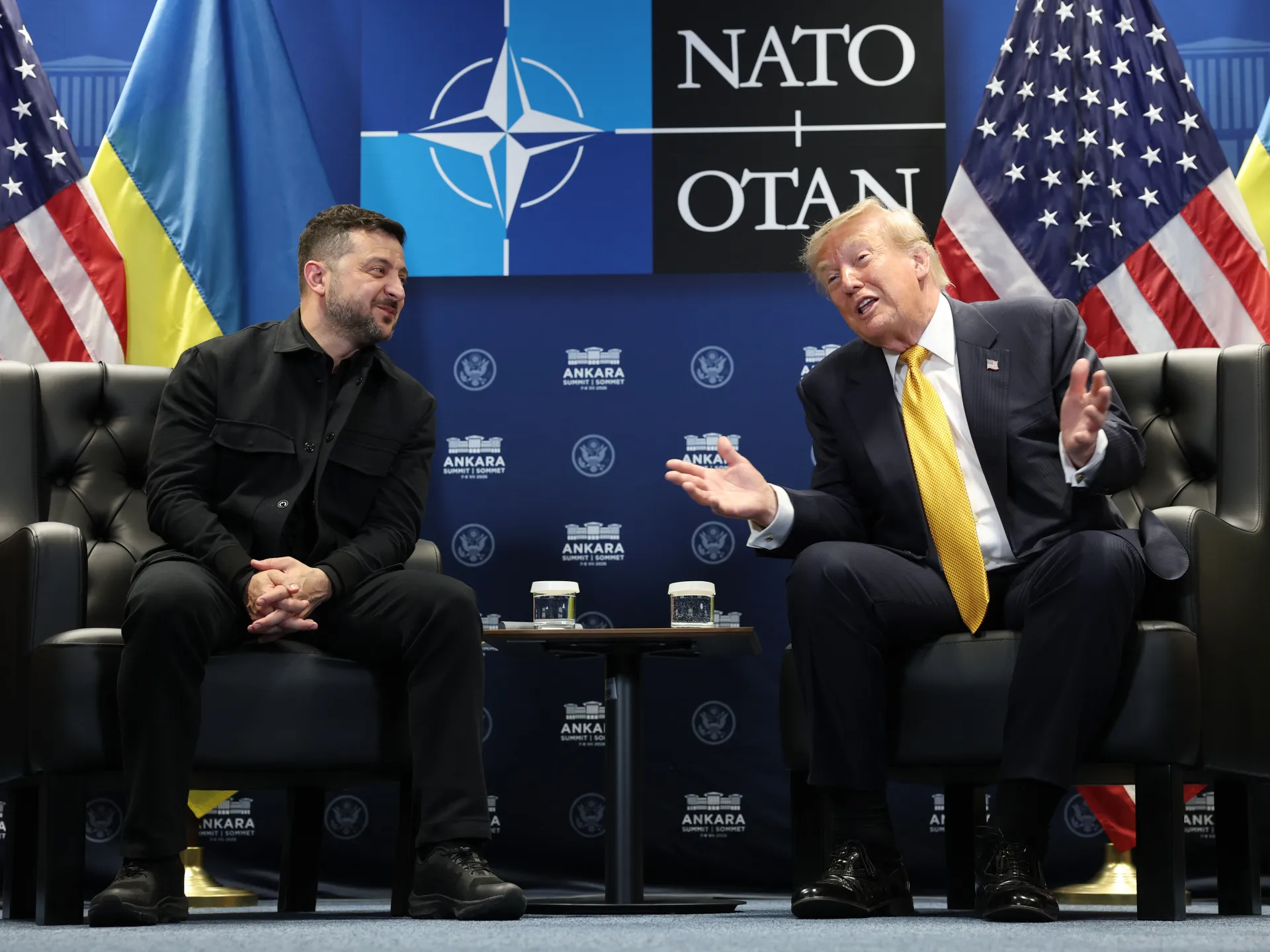
During a NATO summit in Turkey, Trump informed Ukrainian President Volodymyr Zelenskyy of this decision, emphasizing the complexity of producing the systems. However, he expressed confidence in Ukraine's ability to manage the production process. While exact timelines for the commencement of production remain unspecified, Ukraine has expressed eagerness to begin as soon as possible.
Strategic Impact and Technological Advancements
According to Nikolay Mitrokhin, a researcher at Germany's Bremen University, in the short term, Ukraine may not immediately benefit from this license. However, access to U.S. technology could significantly expedite Ukraine's missile development programs. Ukraine might also opt to produce simpler, more cost-effective missile variants, potentially within a year.
The Patriot systems comprise not only missiles but also other components such as launchers, radar systems, and control vans. These elements allow the system to remain mobile and avoid detection.
Network-Centric Warfare and Technological Solutions
The Russia-Ukraine conflict has evolved from traditional warfare to a more network-centric approach. This strategy involves real-time communication between commanders, troops, and weaponry, offering a tactical advantage on the battlefield. The use of drones and automated systems has become increasingly prevalent, as Ukraine faces a conscription crisis and seeks technological solutions to offset manpower shortages.
Ground robots, capable of delivering supplies and conducting reconnaissance, are now part of Ukraine's military strategy. Ihor Chaikivsky, head of the Robotic Complexes company, highlighted the importance of these innovations, which have been driven by the need to minimize frontline casualties.
Drone Warfare and AI Integration
Ukraine has been leveraging artificial intelligence (AI) to enhance its drone capabilities. Swift Beat, a company led by former Google CEO Eric Schmidt, produces mid-range strike drones that use AI to identify and target Russian military assets. These drones are resistant to electronic jamming, making them highly effective in the ongoing conflict.
Ukrainian forces anticipate further integration of AI to detect enemy positions, potentially reducing human error in identifying targets.
Challenges in Russian Air Defense
Russia's vast geographical size and a lack of investment in air defense systems have left it vulnerable to Ukrainian drone and missile strikes. Former Ukrainian military officials have noted that Russia requires a more comprehensive air and missile defense strategy to effectively counter these threats.
Recent Ukrainian attacks, such as the drone strike on a major Russian oil refinery, underscore the strategic shift towards air and missile engagements. Ukrainian President Zelenskyy has stated that the conflict's decisive battles will occur in the air.
Prospects for Peace and Ongoing Hostilities
Despite Ukraine's technological advancements and strategic successes, experts caution that such attacks alone will not yield a decisive victory. Former military leaders emphasize that both sides retain the capability to retaliate with significant force.
As Ukrainian strikes continue, the possibility of peace talks remains uncertain. Observers suggest that while Kyiv may be open to negotiations, the Kremlin's stance on total confrontation poses a significant barrier to diplomatic resolution.
Recent discussions indicate that the U.S. may be considering a shift in the peace process, potentially focusing on ceasefire agreements rather than concessions from Ukraine. However, the path to negotiations remains complex and fraught with challenges.
Source: Original Article
Related Articles
 world
world
Iranian Provinces Report Strikes Amid US Denial of Involvement
 world
world
Ukraine to Accelerate Patriot Missile Production Following US Approval
 world
world
US Strategy on Iran: A Complex Web of Pressures
 world
world