Overview of the Incident
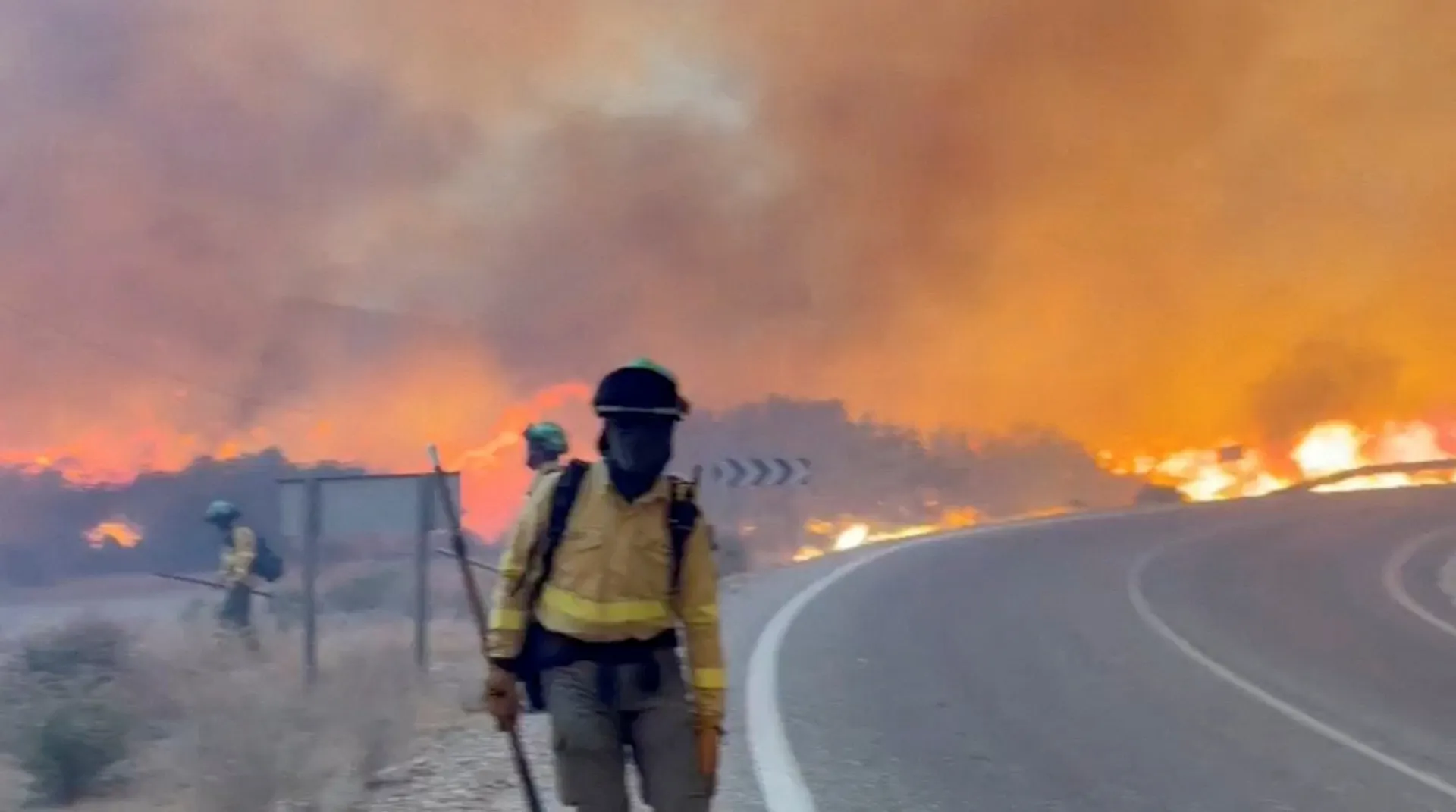
A significant wildfire event in southern Spain has led to a tragic loss of life, with authorities confirming at least 12 fatalities. The severity of the blaze was underscored by the discovery of some victims inside their vehicles, suggesting a rapid and overwhelming spread of the fire. This catastrophic event is unfolding against a backdrop of an extended heatwave, a climatic condition known to intensify wildfire activity across the region.
Impact and Casualties
The confirmed death toll stands at a minimum of 12 individuals. The circumstances surrounding some of these deaths, particularly the discovery of bodies within cars, indicate the sudden and inescapable nature of the fire's progression in certain areas. Such findings often point to individuals attempting to evacuate or seek refuge when they were overtaken by the flames. The emotional and societal impact of such a loss is profound, affecting communities and emergency services alike.
Environmental Context: The Role of Heatwaves
Spain, like many Mediterranean countries, is susceptible to wildfires, especially during its dry, hot summers. However, the current situation is reportedly exacerbated by a prolonged heatwave. These periods of exceptionally high temperatures dry out vegetation, turning forests and scrublands into highly flammable fuel. Additionally, strong, erratic winds, often associated with heatwave conditions, can fan the flames, making containment efforts exceedingly difficult and contributing to the rapid and unpredictable spread of fires.
Challenges for Emergency Services
Firefighting and emergency response teams are facing immense challenges in controlling the blaze and ensuring public safety. The combination of intense heat, difficult terrain, and the sheer scale of the fire demands extensive resources and coordinated efforts. Evacuation orders are typically issued for areas at high risk, and the logistics of moving residents, particularly vulnerable populations, present a complex task. The safety of emergency personnel is also a paramount concern as they battle the inferno under hazardous conditions.
Broader Implications of Wildfires in Spain
Wildfires are a recurring environmental issue in Spain, with significant ecological, economic, and social consequences. Ecologically, they destroy natural habitats, reduce biodiversity, and contribute to soil erosion, particularly in mountainous and forested regions. Economically, they cause damage to property, infrastructure, and agricultural land, impacting local economies. Socially, they displace communities, cause health issues due to smoke inhalation, and impose a psychological toll on those affected.
The increasing frequency and intensity of such events in recent years have prompted discussions about climate change and its role in altering weather patterns, leading to more extreme heatwaves and prolonged dry spells. These discussions often involve examining long-term strategies for forest management, early detection systems, and enhanced preparedness measures to mitigate the risks associated with wildfires.
Community Response and Support
In the aftermath of such a disaster, communities often rally together to support those who have lost loved ones or homes. Aid organizations, local governments, and volunteers typically mobilize to provide assistance, including temporary shelter, food, and emotional support. The recovery process is often lengthy, involving rebuilding efforts and environmental restoration projects. The resilience of the affected communities in facing such adversity is a testament to the human spirit.
The ongoing investigation will likely seek to determine the precise cause of the fire, which can range from natural occurrences like lightning strikes to human activities, whether accidental or deliberate. Understanding the origin is crucial for implementing preventative measures in the future and holding any responsible parties accountable.
Source: Original Article