
Recent Developments in US-Iran Relations
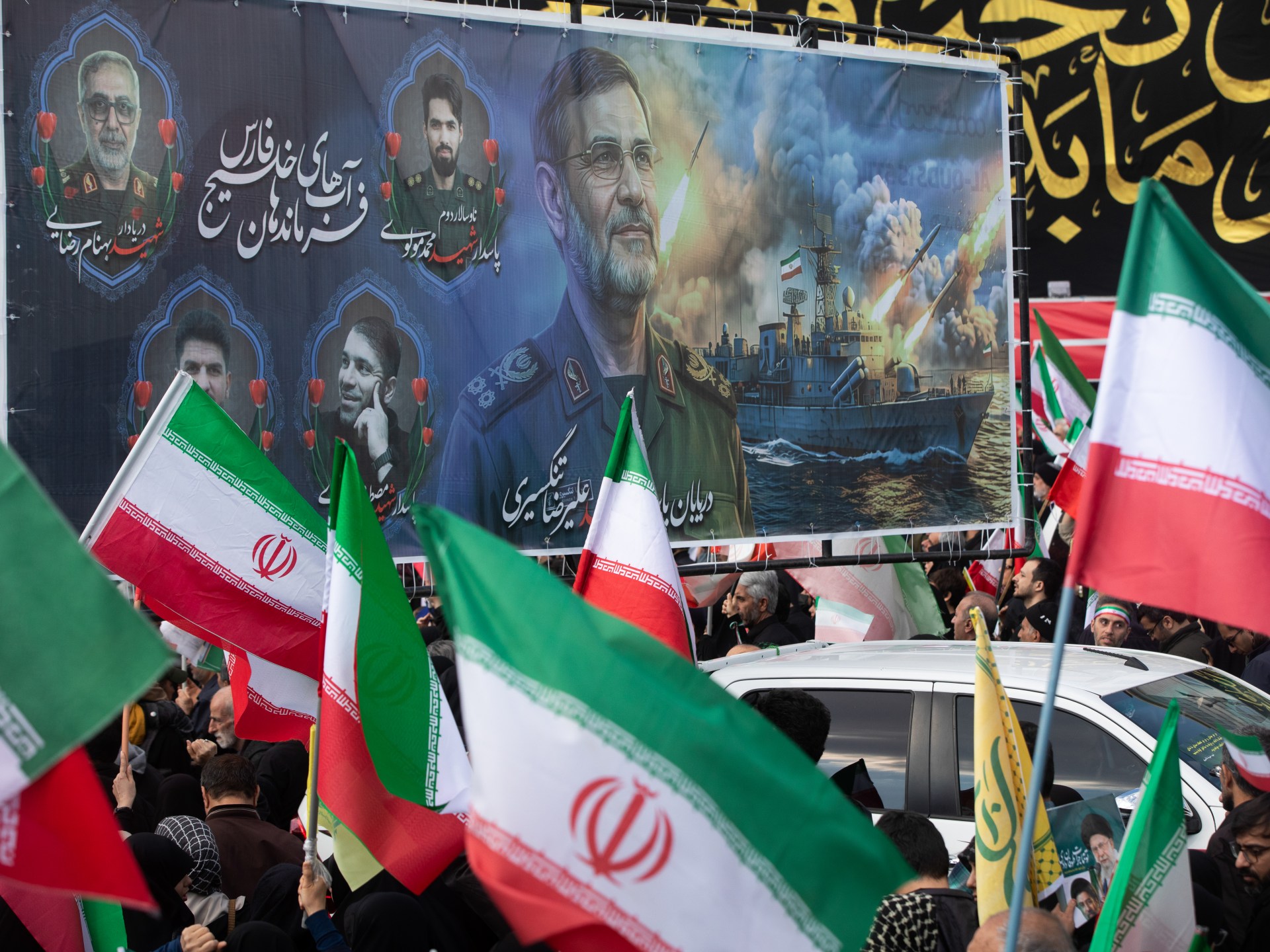
The geopolitical landscape between the United States and Iran has once again become a focal point following recent military actions undertaken by the US in southern Iran. These strikes have ignited considerable debate and speculation, particularly concerning the viability of any existing or potential ceasefire arrangements between the two nations.
Context of the US Operations
The military engagement by the United States targeted specific locations within southern Iran. This development unfolded at a sensitive juncture, as Iranian officials had previously communicated that a significant diplomatic resolution or 'deal' with Washington was not expected to materialize in the immediate future. This statement from Tehran provides crucial context, suggesting that the environment was already characterized by a lack of imminent rapprochement before the US military intervention.
The timing of these events underscores the complex and often volatile nature of US-Iran interactions, where military actions can swiftly alter diplomatic expectations and regional dynamics.
Implications for a Potential Ceasefire
A central question emerging from these events is whether the concept of a ceasefire, or any informal understanding to de-escalate, has been compromised or effectively ended. While the specifics of any such agreement are often subject to interpretation and can be informal, military engagements of this nature inherently raise concerns about their impact on efforts to reduce hostilities.
Observers are closely monitoring statements from both Washington and Tehran to gauge their perspectives on the current situation. The absence of a formal, publicly acknowledged ceasefire agreement makes it challenging to definitively assess its status. However, military actions typically complicate an already delicate environment, potentially making de-escalation more difficult in the short term.
Broader Regional Impact
Beyond the immediate bilateral implications for the US and Iran, such incidents often have wider repercussions across the Middle East. Regional allies and adversaries alike tend to react to significant military developments, potentially leading to shifts in alliances, security postures, and diplomatic initiatives. The stability of the region is frequently influenced by the perceived level of tension between these two major players.
Looking Ahead
The path forward remains uncertain. The international community will be watching for any further statements or actions from either side. The focus will likely be on whether these military operations are isolated incidents or indicators of a more sustained shift in policy or an escalation of hostilities. The prospect of renewed diplomatic engagement, or further military posturing, will depend heavily on the interpretations and responses from both the United States and Iran.
Source: Al Jazeera
Related Articles
 world
world
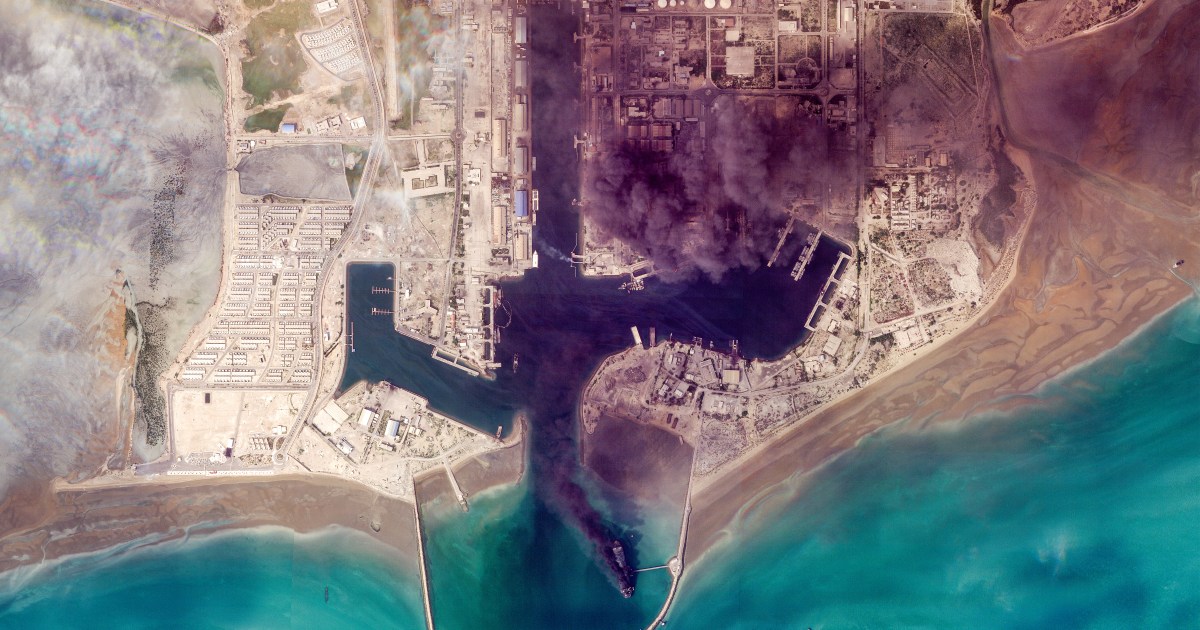
Escalating Tensions Threaten US-Iran Diplomatic Efforts Amid Drone Incident
 world
world
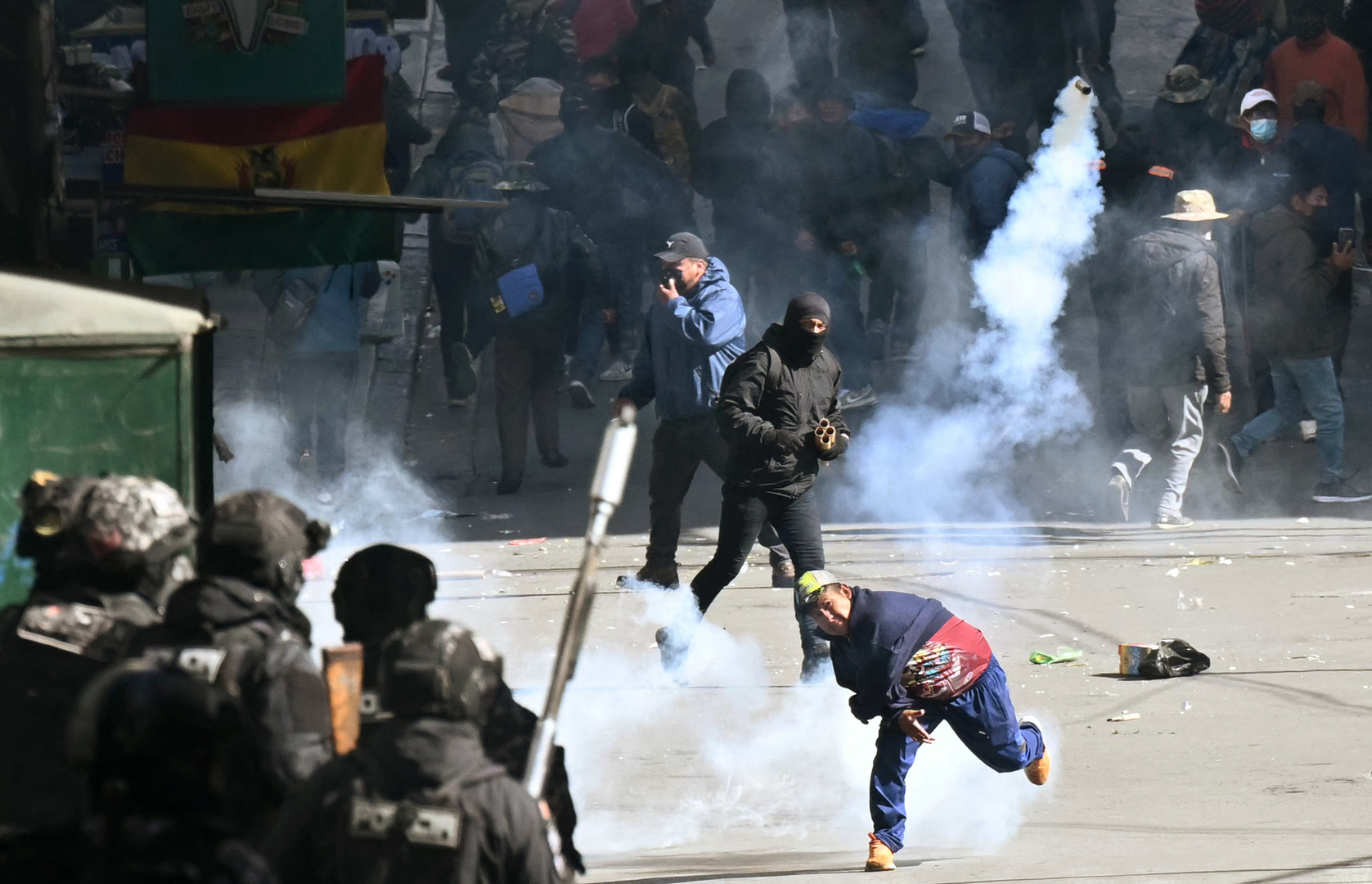
Bolivia Sees Heightened Tensions as Protests Converge on Presidential Palace
 world
world
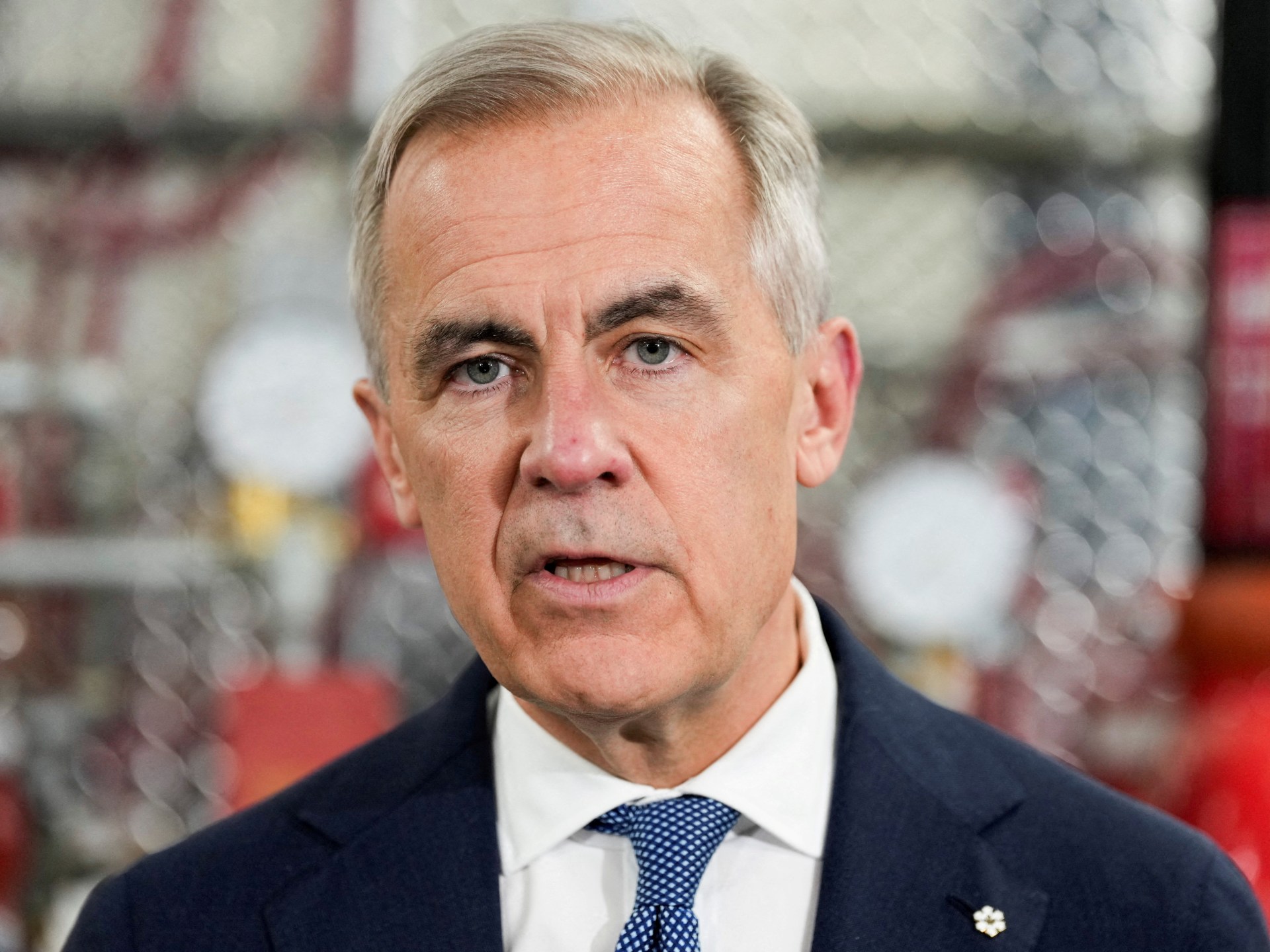
Canadian Official Criticizes Treatment of Gaza Flotilla Activists
 world
world