
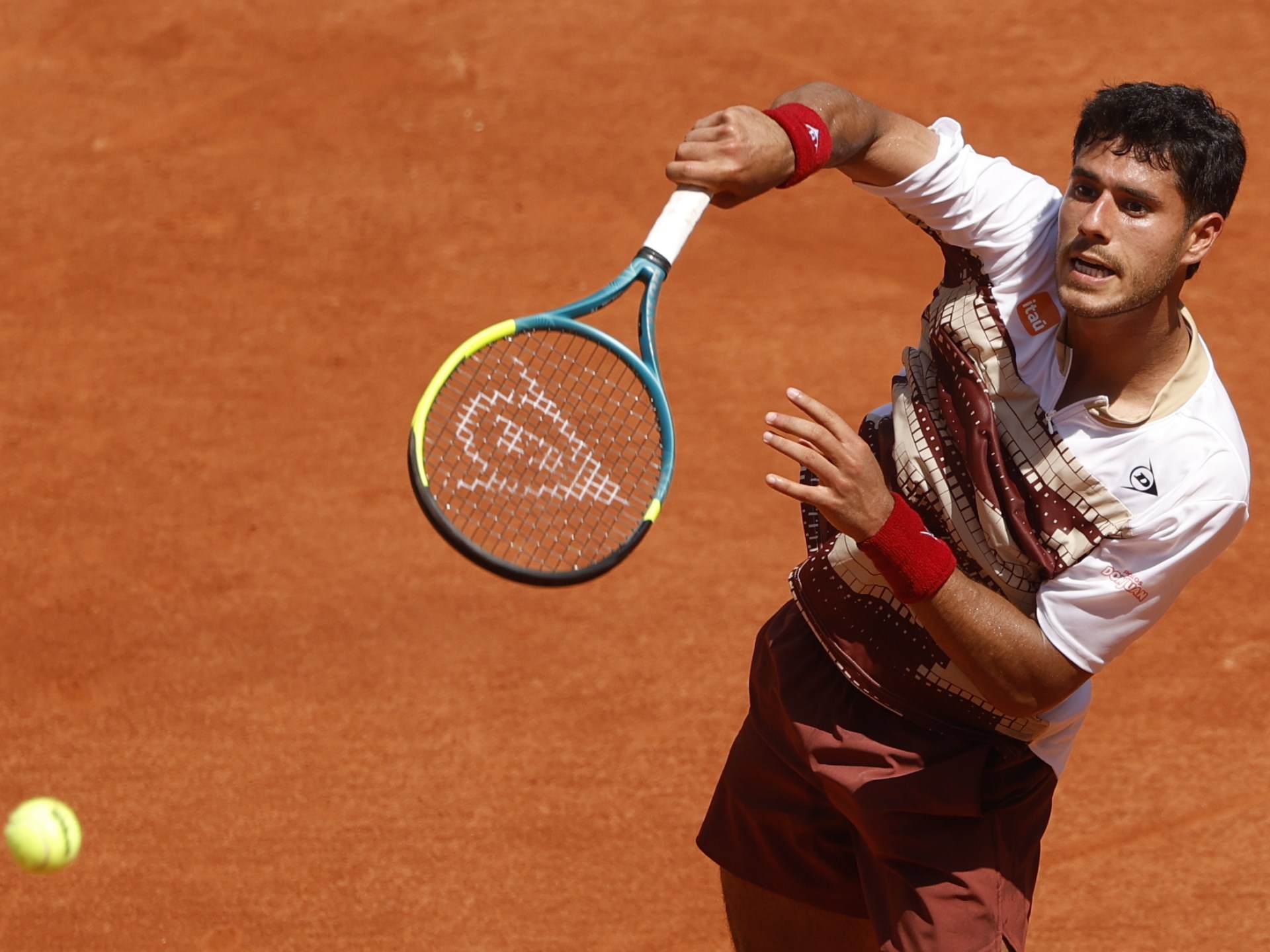
Tennis Official Faces Disciplinary Action for Remarks at French Open
A professional tennis player from Paraguay has been issued a financial penalty subsequent to comments he made concerning a female referee during his recent participation in the French Open. The incident occurred following his defeat in the second round of the prestigious tournament, where he attributed some of the match's difficulties to the referee's handling of the spectators.
Context of the Incident
The player, whose identity has been confirmed as a Paraguayan national, was competing in a second-round match at Roland Garros. During or after his loss, he voiced criticisms directed at Brazilian referee Ana Carvalho. His remarks specifically focused on what he perceived as her inability to adequately manage the home crowd's behavior during the course of the match.
Such criticisms are not entirely uncommon in professional sports, where athletes often express frustrations following a loss. However, the nature of these particular comments led to a formal review and subsequent sanction. The governing bodies of tennis maintain strict codes of conduct for players, encompassing not only on-court behavior but also public statements made about officials, opponents, and the sport itself.
The Role of Referees in Professional Tennis
Referees, also known as umpires in tennis, play a crucial role in maintaining fair play and order during matches. Their responsibilities include enforcing the rules of tennis, keeping score, making line calls (in the absence of electronic line calling or where human judgment is required), and managing the overall environment of the match, which includes crowd control. Managing a boisterous home crowd, especially in high-stakes matches, can be a challenging aspect of an umpire's duties.
"The integrity of the game relies heavily on the respect shown towards its officials. Any comments that undermine their authority or professionalism are taken seriously by the sport's governing bodies."
Disciplinary Actions and Codes of Conduct
Professional tennis organizations, such as the International Tennis Federation (ITF), the Association of Tennis Professionals (ATP), and the Women's Tennis Association (WTA), implement comprehensive codes of conduct. These codes outline expected behavior from players, coaches, and other accredited personnel. Violations can lead to various penalties, including fines, point deductions, suspensions, or even disqualification from tournaments.
The decision to fine the player in this instance underscores the commitment of these organizations to uphold standards of professionalism and respect within the sport. While the exact amount of the fine was not detailed in the initial report, such penalties are typically determined based on the severity of the infraction and the player's disciplinary history.
Reactions and Broader Implications
The incident, though seemingly minor in the grand scheme of a major tournament, highlights ongoing discussions within sports regarding the treatment of officials, particularly female officials. Ensuring an inclusive and respectful environment for all participants, regardless of gender, is a priority for many sports organizations. The swift action taken in this case serves as a reminder to athletes about the boundaries of acceptable public commentary.
This event will likely contribute to broader conversations about player conduct, the pressures faced by officials, and the continuous effort to maintain sportsmanship at the highest levels of professional tennis. It reinforces the message that while passionate competition is encouraged, it must always be balanced with respect for all individuals involved in the sport.
Source: Original Article
Related Articles
 sport
sport
Virat Kohli Leads Bengaluru to Historic Consecutive IPL Victories
 sport
sport
Pulisic Ends Goal Drought as US Men's National Team Defeats Senegal in Friendly
 sport
sport
FIFA World Cup to Introduce Key Rule Adjustments and Expanded VAR Use
 sport
sport