
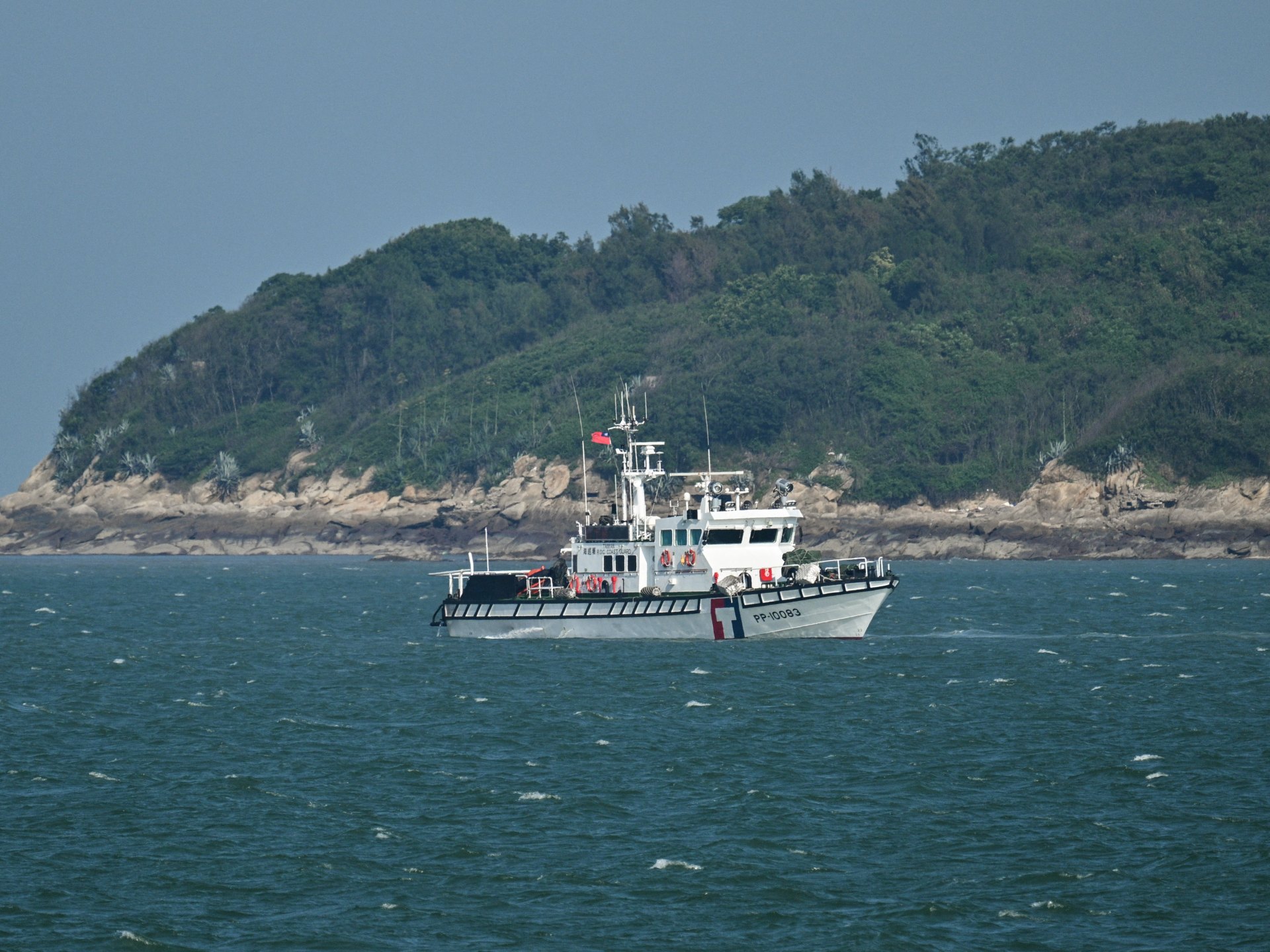
Recent Chinese Military Patrols Near Taiwan
Taiwan's Ministry of National Defense recently announced its observation of a 'joint combat readiness patrol' conducted by the People's Liberation Army (PLA) near the island. This event marks the second instance of such a patrol reported by Taiwan within a single week, underscoring ongoing tensions in the Taiwan Strait.
Taiwan's Response to PLA Activities
Taiwanese authorities have indicated that their armed forces were deployed to monitor the situation and respond as necessary. The nature of these responses typically involves the dispatch of aircraft, naval vessels, and the activation of land-based missile systems to track and, if required, counter incoming movements. This protocol is standard procedure for Taiwan when faced with perceived incursions or close proximity military drills by China.
Context of Cross-Strait Relations
The relationship between Beijing and Taipei remains complex and contentious. China views Taiwan as an integral part of its territory, to be reunified with the mainland, by force if necessary. Taiwan, on the other hand, maintains that it is an independent, self-governing entity with its own democratically elected government. These fundamentally differing viewpoints frequently lead to heightened military posturing and surveillance activities in the region.
Frequency of Chinese Military Drills
Chinese military exercises in the vicinity of Taiwan have become a more frequent occurrence in recent years. These drills often involve a combination of air force, navy, and sometimes rocket force assets. While China consistently frames these activities as routine training or necessary responses to what it perceives as external interference in its internal affairs (particularly from the United States), Taiwan and its allies often interpret them as coercive tactics aimed at intimidating the island.
International Implications
The situation in the Taiwan Strait is closely watched by the international community, given its potential impact on global trade, regional stability, and geopolitical dynamics. Several nations, including the United States, have expressed concerns about any unilateral changes to the status quo across the strait and have called for peaceful resolution of differences. The U.S. maintains an unofficial relationship with Taiwan and provides it with defensive weaponry, a policy that China consistently condemns as interference.
Taiwan's Preparedness and Defense Strategy
In response to the persistent military threat from China, Taiwan has been actively working to bolster its defense capabilities. This includes investing in advanced military hardware, enhancing its training programs, and reforming its reserve forces. The island's defense strategy emphasizes asymmetric warfare, aiming to deter an invasion by making any potential military action by China prohibitively costly.
Public and Political Reactions in Taiwan
Within Taiwan, these Chinese military patrols often generate public discussion and political debate. While some view them as a serious and immediate threat, others see them as part of a long-standing pattern of intimidation that Taiwan must learn to navigate. The government's messaging typically focuses on reassuring the public of its preparedness while maintaining a cautious and measured response to avoid escalation.
Future Outlook
The immediate future of cross-strait relations is likely to continue to involve a delicate balance of diplomatic maneuvering and military vigilance. Both sides are expected to maintain their respective stances, with China continuing its military presence and Taiwan reinforcing its defenses and seeking international support. The international community will remain keen observers, advocating for stability in a strategically vital region.
Source: Original Article
Related Articles
 world
world
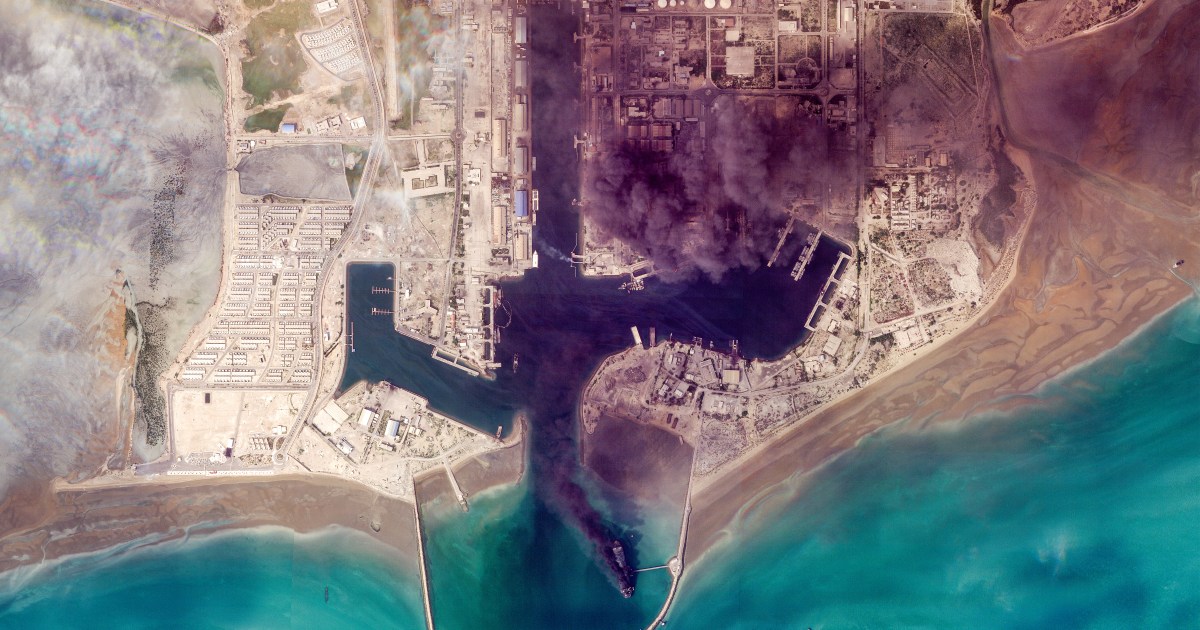
Escalating Tensions Threaten US-Iran Diplomatic Efforts Amid Drone Incident
 world
world
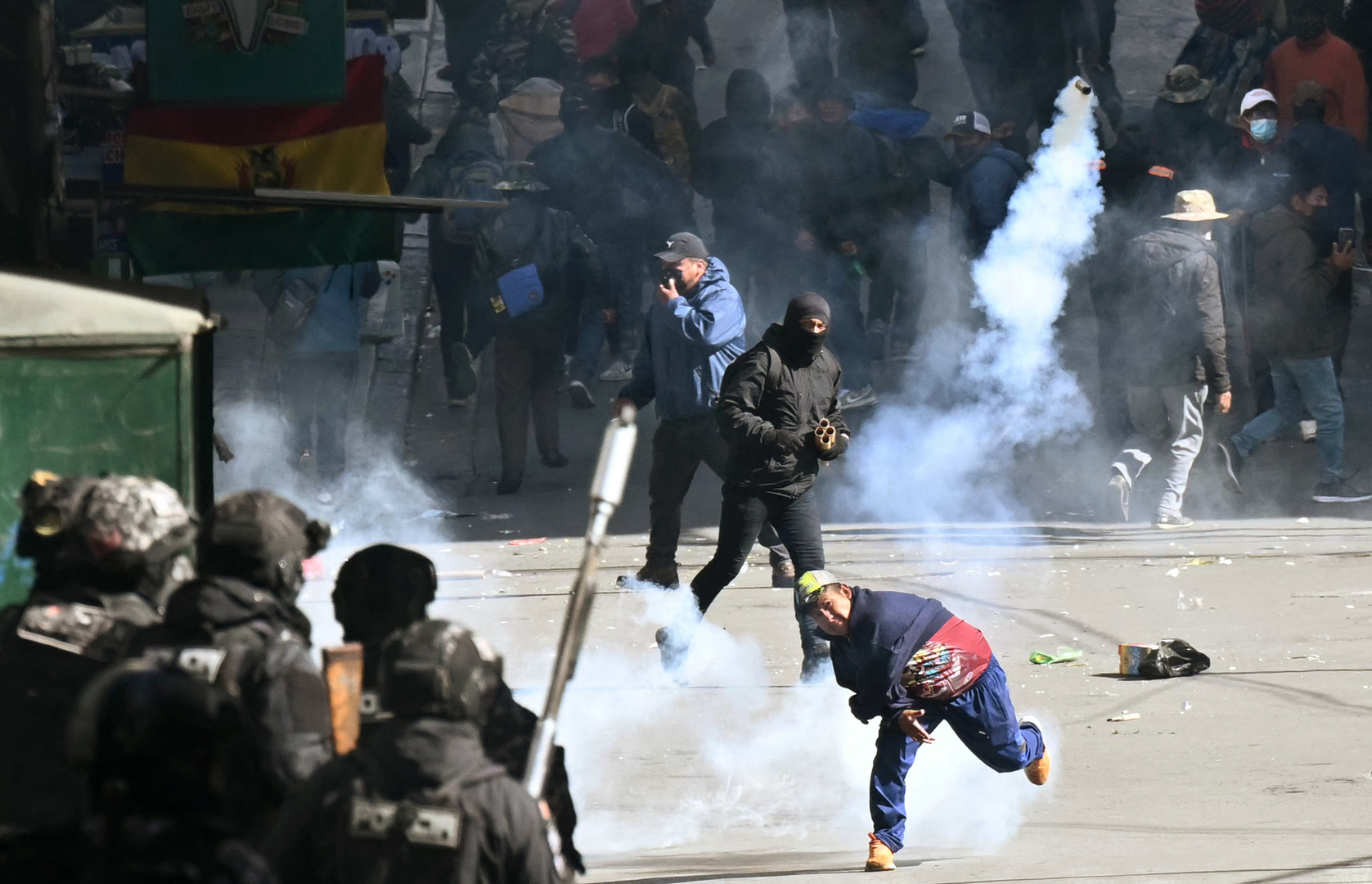
Bolivia Sees Heightened Tensions as Protests Converge on Presidential Palace
 world
world
Canadian Official Criticizes Treatment of Gaza Flotilla Activists
 world
world