
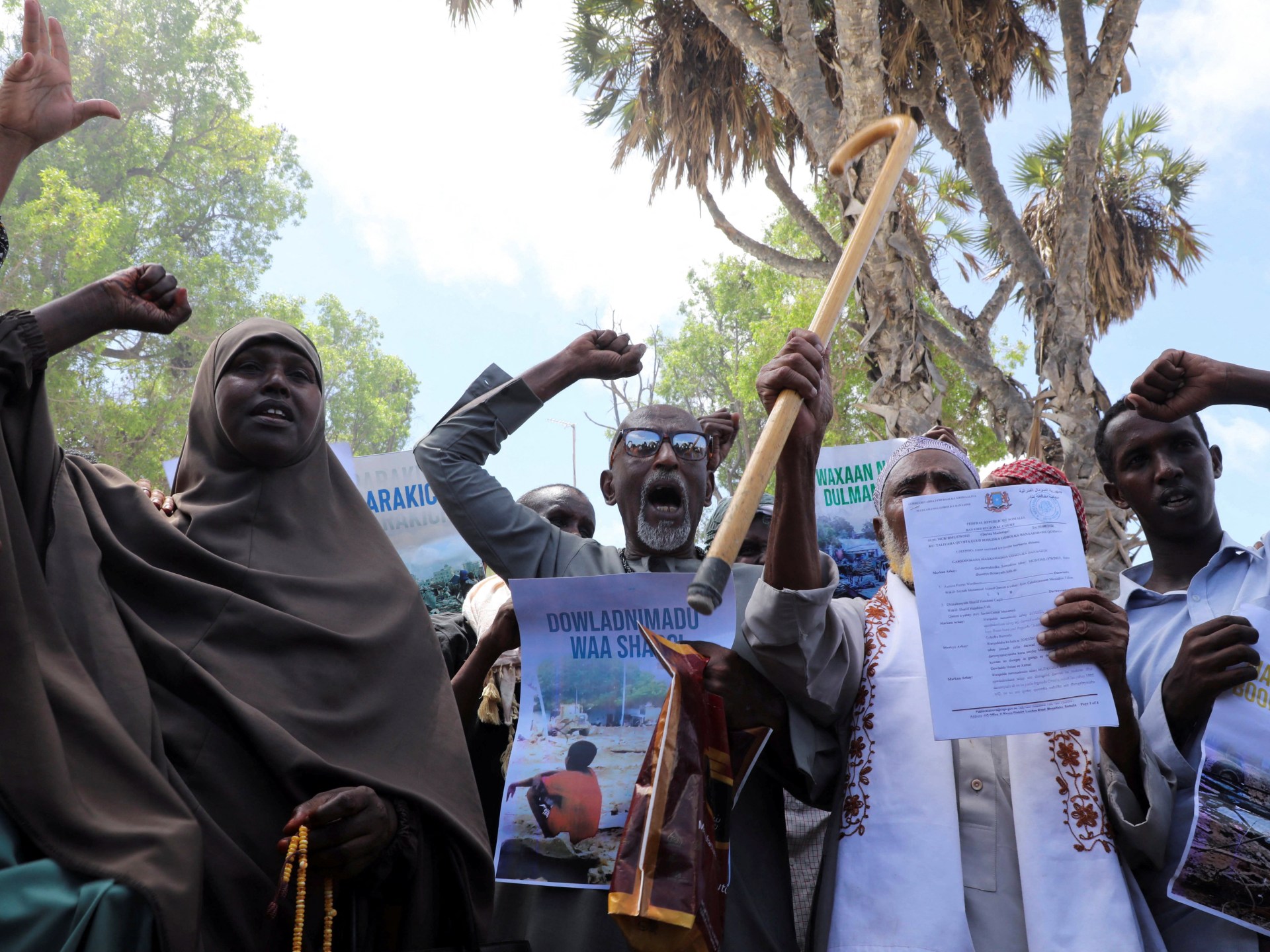
The Looming Political Crisis in Somalia
Somalia is currently navigating a highly volatile political landscape, characterized by significant uncertainty regarding its future governance. The absence of a clear roadmap for upcoming elections or a structured political transition has raised alarms among observers and citizens alike, suggesting the nation is approaching a critical juncture.
Challenges to Stability and Governance
The core of Somalia's current predicament lies in the lack of consensus among its political factions on the path forward. Without an agreed-upon electoral framework, the country risks a vacuum of leadership or a contested political process that could further destabilize an already fragile state. This situation is compounded by various internal and external pressures that demand a unified and legitimate government.
The lack of a defined political transition strategy is a major concern for Somalia's long-term stability.
Historically, Somalia has grappled with establishing robust democratic institutions and maintaining political continuity. The current environment mirrors past challenges where delays or disputes over electoral processes have led to prolonged periods of instability. The international community has frequently emphasized the importance of timely and credible elections to ensure good governance and continued support for Somalia's development and security.
The Role of Regional and Clan Dynamics
Somalia's political fabric is intricately woven with regional and clan dynamics, which often play a decisive role in national politics. Any political settlement or electoral process must carefully consider these deeply entrenched structures to gain broad acceptance and legitimacy. Failure to accommodate the diverse interests of various clans and regional administrations can lead to boycotts, parallel governance structures, and even conflict.
Furthermore, the influence of neighboring countries and other international actors cannot be overlooked. Their involvement, whether through security assistance, humanitarian aid, or diplomatic efforts, often shapes the political discourse and outcomes in Somalia. A successful transition would likely require coordinated efforts that respect Somalia's sovereignty while facilitating a stable political environment.
Potential Pathways to Resolution
To avert a deepening crisis, Somali leaders are urged to engage in constructive dialogue and prioritize national interests over partisan gains. A potential resolution could involve a multi-stakeholder conference where key political figures, regional leaders, civil society representatives, and traditional elders converge to forge a consensus on the electoral model and transition timeline. This approach would aim to build trust and ensure that any agreed-upon framework is broadly accepted.
Another crucial element is the strengthening of independent institutions, such as the electoral commission and the judiciary, to ensure the integrity and fairness of any future elections. These institutions must operate free from political interference to instill confidence in the democratic process among the populace.
The Imperative of Timely Action
The current period presents both challenges and opportunities for Somalia. While the risks of political fragmentation are high, there is also a chance to lay a stronger foundation for democratic governance. The window for achieving a peaceful and legitimate political settlement is narrowing, making timely and decisive action by Somali leaders paramount. The international community stands ready to support efforts that lead to a stable and inclusive political future for Somalia.
Source: Al Jazeera
Related Articles
 politics
Federal Judge Overturns Trump-Era Immigration Restrictions Affecting 39 Nations
 politics
Trump Addresses Farmers in Wisconsin Amid Economic Challenges and Tariff Concerns
 politics
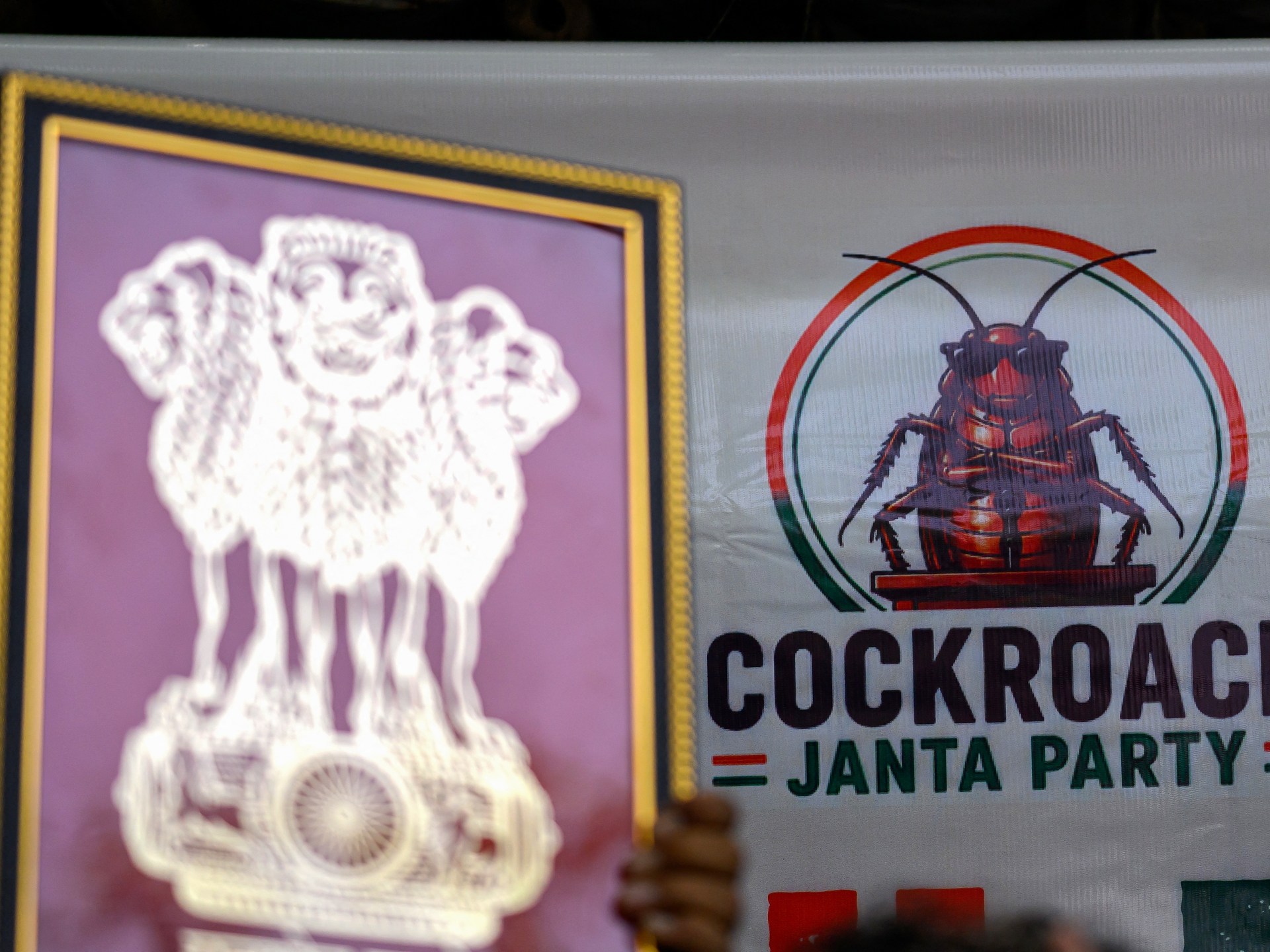
Satirical 'Cockroach People's Party' Organizes Protest in New Delhi
 politics