
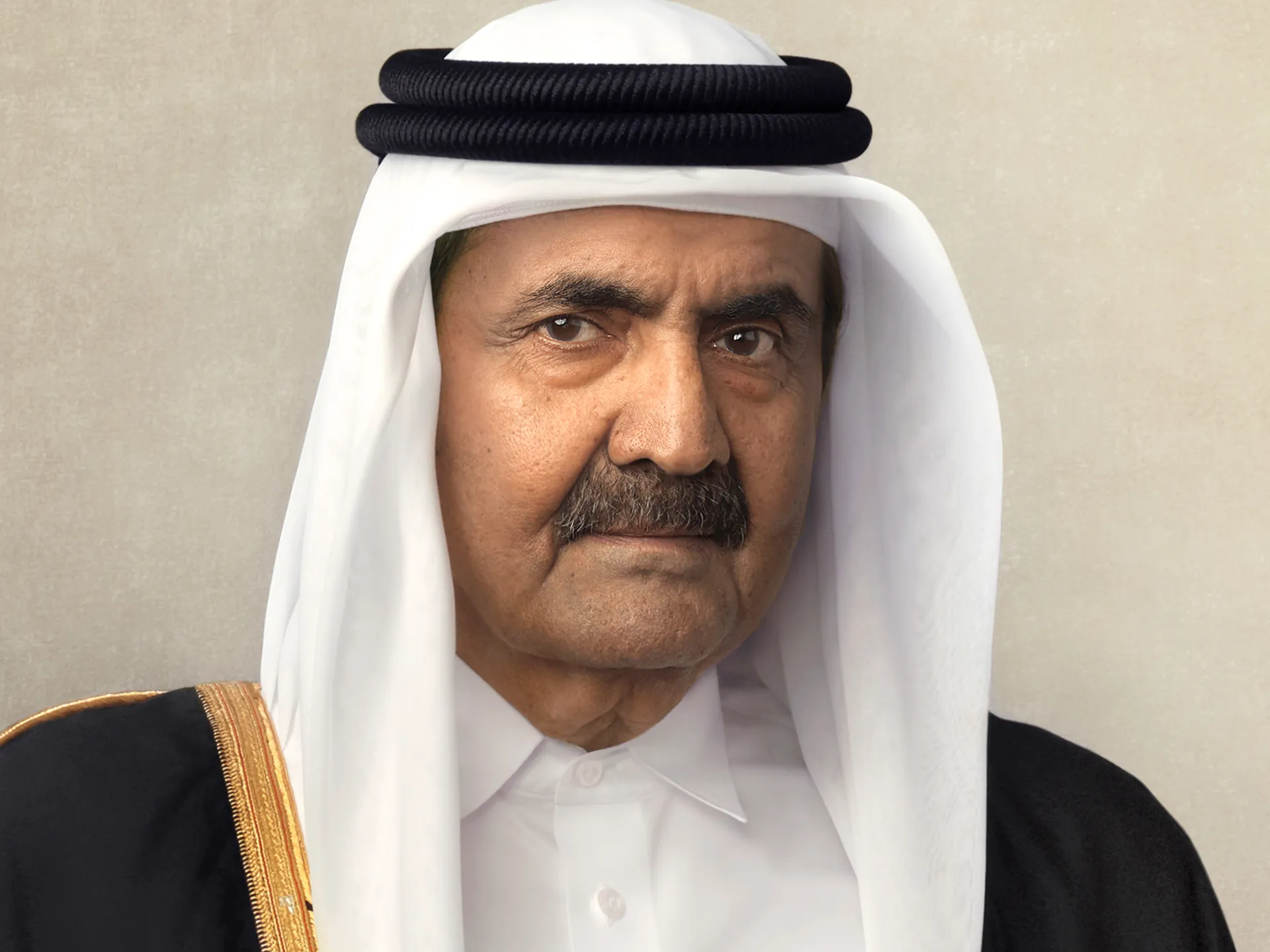
A Visionary Leader's Passing
Sheikh Hamad bin Khalifa Al Thani, the former emir of Qatar, who steered the Gulf nation through a period of profound transformation, has died at the age of 74. His leadership is credited with elevating Qatar from a relatively small state to a significant player on the world stage, both economically and diplomatically.
Assuming leadership in 1995, Sheikh Hamad was often referred to as the architect of modern Qatar. He initiated extensive development and reform programs, leveraging the country's substantial natural gas reserves to fuel an ambitious agenda of political, economic, and social advancements. His tenure was marked by a strategic vision that propelled Qatar into an era of unprecedented growth and influence.
Economic Boom and Global Presence
Under Sheikh Hamad's guidance, Qatar experienced remarkable economic expansion. The nation's Gross Domestic Product (GDP) saw an increase of over twenty-four fold during his rule. A key driver of this growth was the development of the North Field, which enabled Qatar to become the world's largest exporter of liquefied natural gas (LNG) by 2006. Government figures indicate that the country's LNG production capacity rapidly reached 77 million tons per annum, solidifying its position in the global energy market.
Beyond economic milestones, Sheikh Hamad's era saw the establishment of pivotal institutions and reforms. He oversaw the creation of the Qatar Foundation, a non-profit organization dedicated to education, science, and community development. In 1996, the Al Jazeera News Channel was launched, quickly becoming a globally recognized media outlet. Significant constitutional progress was made with the promulgation of Qatar's first permanent constitution in 2004, alongside the introduction of municipal elections that granted women the right to vote and stand as candidates, a progressive step for the region.
A notable achievement during his leadership was securing the right to host the 2022 FIFA World Cup, marking the first time an Arab nation would host the prestigious international sporting event.
Early Life and Peaceful Transition
Born in Doha in January 1952, Sheikh Hamad's educational journey included graduating from the British Royal Military Academy at Sandhurst. He subsequently became commander of Qatar's armed forces. His path to leadership began in 1977 when he was appointed heir apparent and defense minister. He ascended to the position of emir on June 27, 1995, and, in a rare move for the region, voluntarily transferred power to his son, Sheikh Tamim bin Hamad Al Thani, on June 25, 2013.
"The future lies ahead of you, the children of this homeland, as you usher into a new era where young leadership hoists the banner," Sheikh Hamad stated during his abdication announcement. This carefully planned transition saw his British-educated son, Sheikh Tamim, then 33, assume the leadership, ensuring a smooth continuity of governance. This peaceful handover was a testament to Sheikh Hamad's foresight and commitment to long-term stability.Diplomatic Engagement and Regional Influence
Sheikh Hamad's vision extended to establishing Qatar as a prominent diplomatic broker. Under his guidance, Qatar played a mediation role in various regional conflicts, including the Darfur conflict in Sudan, internal Lebanese factional disputes, and the rift between the Palestinian Hamas and Fatah factions.
Prior to his abdication, Qatar facilitated the formal opening of an office for Afghanistan's Taliban. This initiative laid the groundwork for subsequent talks between the United States and the Taliban, which eventually led to the withdrawal of NATO and American forces from Afghanistan in 2021.
During the period known as the "Arab Spring," Qatar distinguished itself as one of the few governments to openly support the popular uprisings. In Egypt, Al Jazeera famously defied broadcast bans to cover the anti-government and pro-democracy protests. In Syria, Sheikh Hamad initially attempted to persuade President Bashar Al-Assad to step down amid widespread protests. When this failed, Doha severed ties with Damascus following the Assad regime's violent suppression of demonstrators. In Libya, Qatar provided support to the NATO military mission that ultimately led to the overthrow of Muammar Gaddafi.
A cause particularly close to Sheikh Hamad's heart was the Palestinian struggle for liberation. In a significant gesture, he became the first head of state to visit Gaza in over a decade, a testament to his unwavering support. In recognition of his contributions, towns in Gaza and southern Lebanon were named in his honor. Sheikh Hamad bin Khalifa Al Thani's influence resonated far beyond Qatar's borders, and his passing will undoubtedly be felt across the region and globally.
Source: Original Article
Related Articles
 news
news
Nigerian Authorities Secure Release of Abducted Schoolchildren and Teachers in Oyo State
 news
news
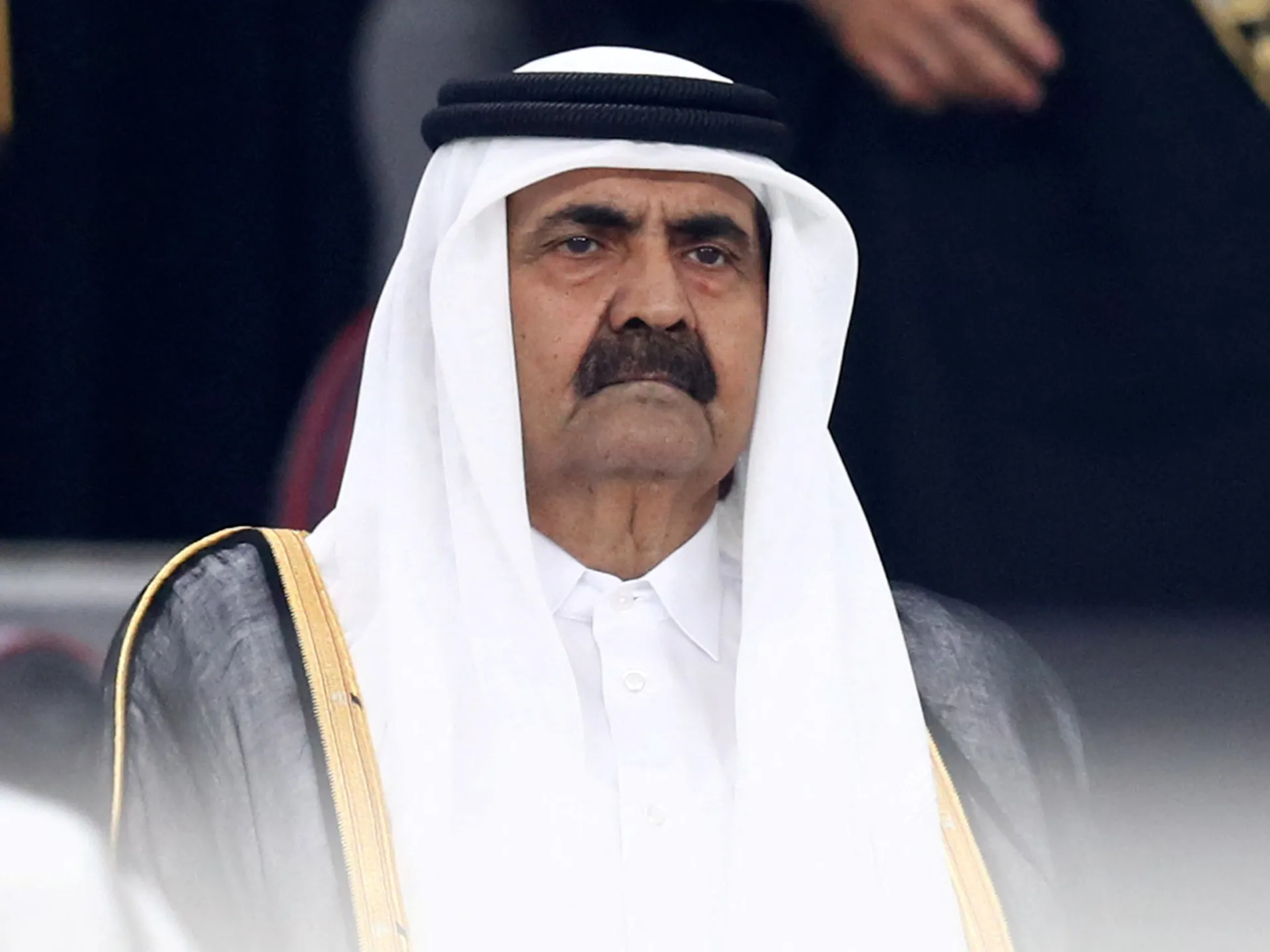
Qatar Mourns Passing of Architect of Modern Nation, Sheikh Hamad bin Khalifa Al Thani
 news
news
Sudanese Students in Exile Confront Educational Disruption Amidst Conflict
 news
news