
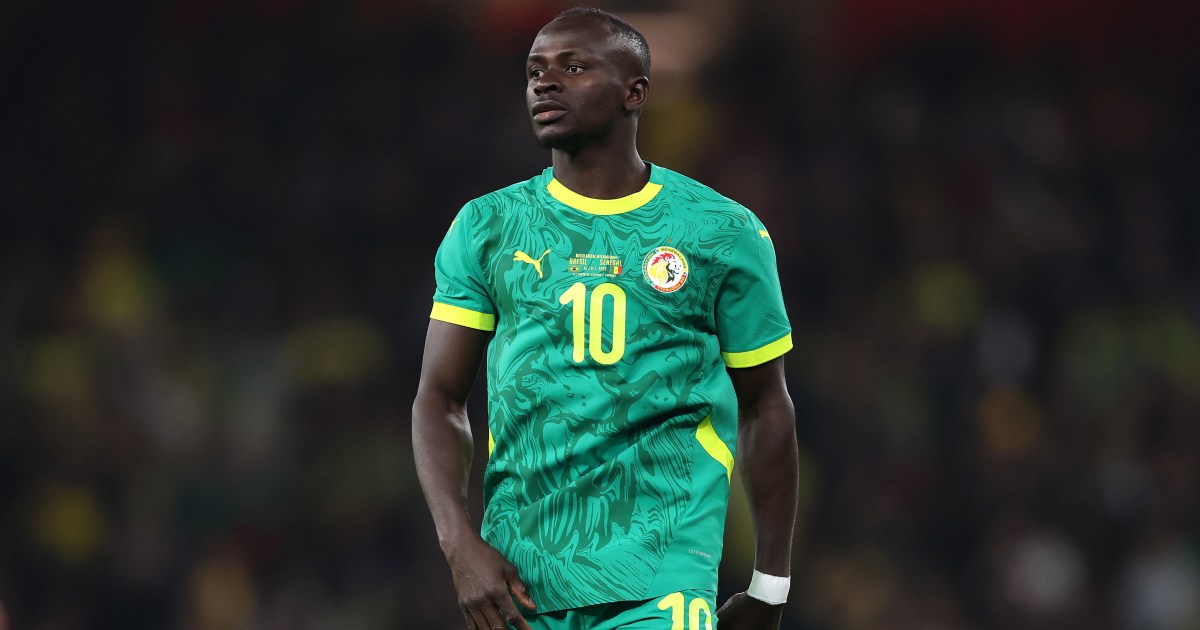
Senegal's World Cup Journey and Aspirations
As the FIFA World Cup 2026 approaches, Senegal is once again poised to represent Africa on the global stage. This marks their third consecutive qualification for the prestigious tournament, a testament to their consistent performance and development in international football. Having established themselves as a dominant force within the African continent, the Lions of Teranga arrive with high expectations, with many observers considering them among Africa's strongest contenders, harboring ambitions of making a deep run in the competition and potentially even claiming the ultimate prize.
A Look at Past Performances
Senegal's World Cup history, though relatively short, is marked by memorable moments. Their debut in 2002 saw them make a stunning impact, reaching the quarter-finals in a remarkable display that captivated fans worldwide. This achievement set a high benchmark for subsequent African teams. After a hiatus, they returned in 2018 and again in 2022, demonstrating their sustained presence among the elite footballing nations. Each appearance has contributed to their growing experience and tactical maturity, factors that will undoubtedly play a crucial role in their 2026 campaign.
Key Players and Squad Dynamics
The strength of Senegal's team lies in a blend of experienced veterans and emerging talents, many of whom ply their trade in top European leagues. The squad is characterized by its defensive solidity, dynamic midfield, and potent attacking options. Key figures are expected to lead the charge, bringing their club-level success and international experience to the national team. The depth of the squad also allows for tactical flexibility, enabling the coaching staff to adapt to different opponents and game situations. The synergy within the team, fostered by years of playing together, is often cited as a significant advantage.
The Road Ahead: Group Stage Challenges
The draw for the World Cup group stage will be a critical moment for Senegal, determining their initial path in the tournament. Historically, African teams have faced challenging groups, and Senegal will need to be at their best from the outset. Their ability to navigate the complexities of group play, secure vital points, and advance to the knockout rounds will be a primary objective. The expanded format of the 2026 World Cup may present new dynamics, but the fundamental requirement for strong performances remains unchanged.
Coaching and Tactical Approach
The coaching staff's strategy and leadership will be paramount to Senegal's success. Their ability to prepare the team physically and mentally, develop effective game plans, and make crucial in-game decisions will be under scrutiny. The tactical approach is likely to emphasize their core strengths while also addressing potential weaknesses. Maintaining team cohesion and morale throughout the demanding tournament schedule will also be a key responsibility of the technical team.
African Representation and Global Ambitions
As one of Africa's leading footballing nations, Senegal carries the hopes and aspirations of an entire continent. Their performance in 2026 will not only be a measure of their own progress but also a reflection of the increasing competitiveness of African football on the world stage. The ambition to lift the World Cup trophy, though challenging, reflects a growing belief in their capabilities and a desire to make history. Their journey will be closely watched by fans globally, eager to see if they can translate their continental dominance into global success.
Source: Al Jazeera
Related Articles
 sport
sport
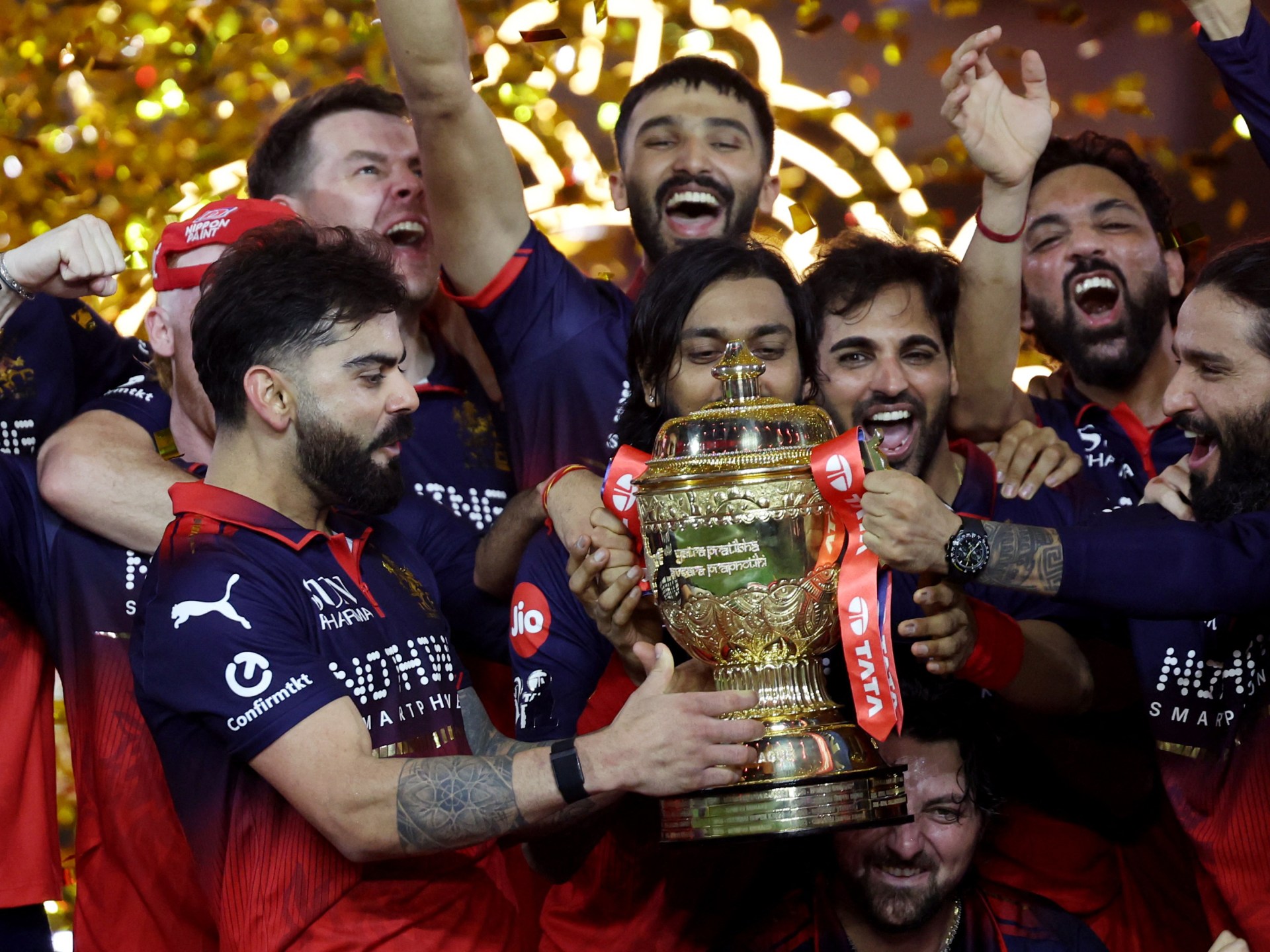
Virat Kohli Leads Bengaluru to Historic Consecutive IPL Victories
 sport
sport
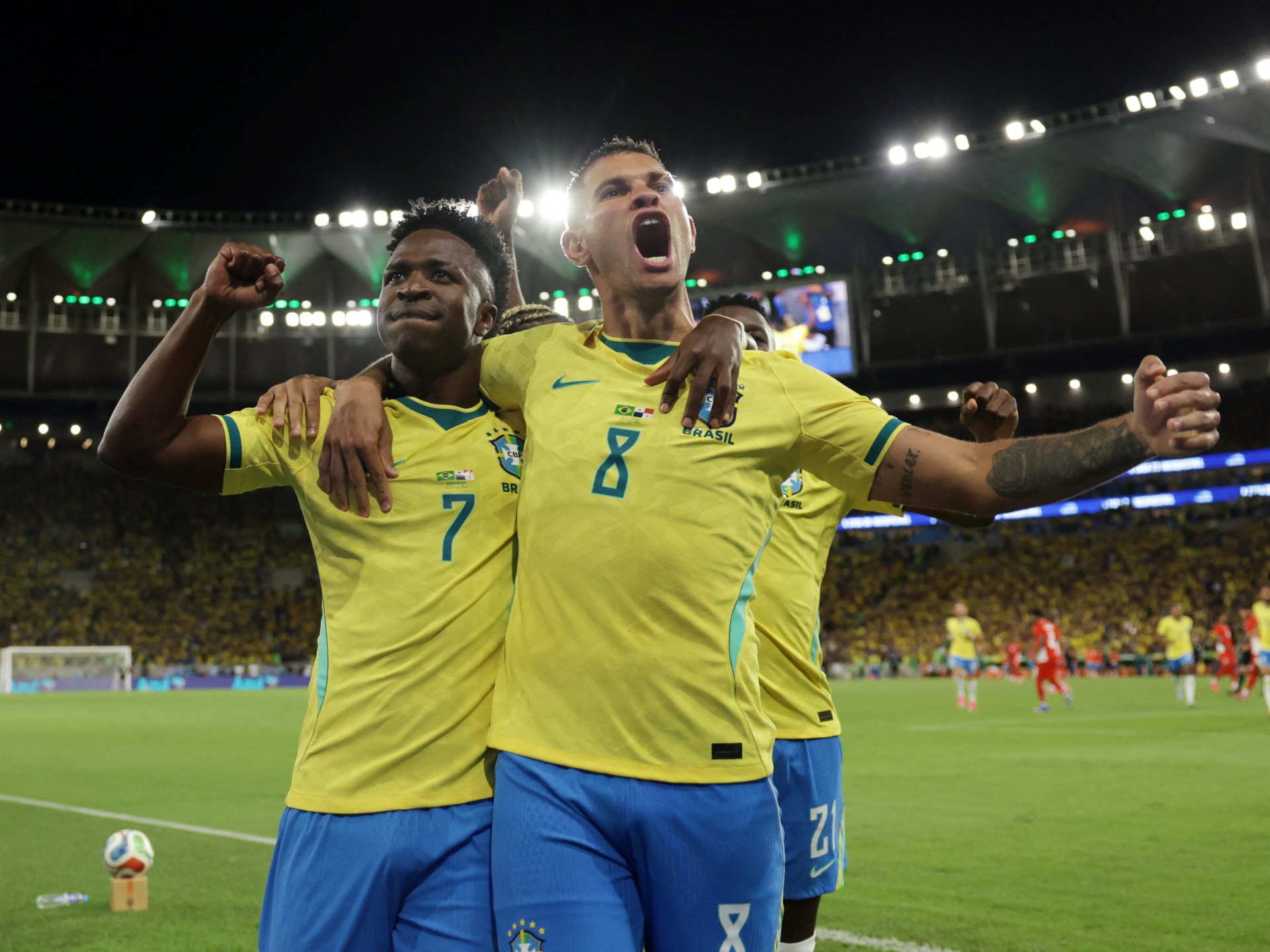
Pulisic Ends Goal Drought as US Men's National Team Defeats Senegal in Friendly
 sport
sport
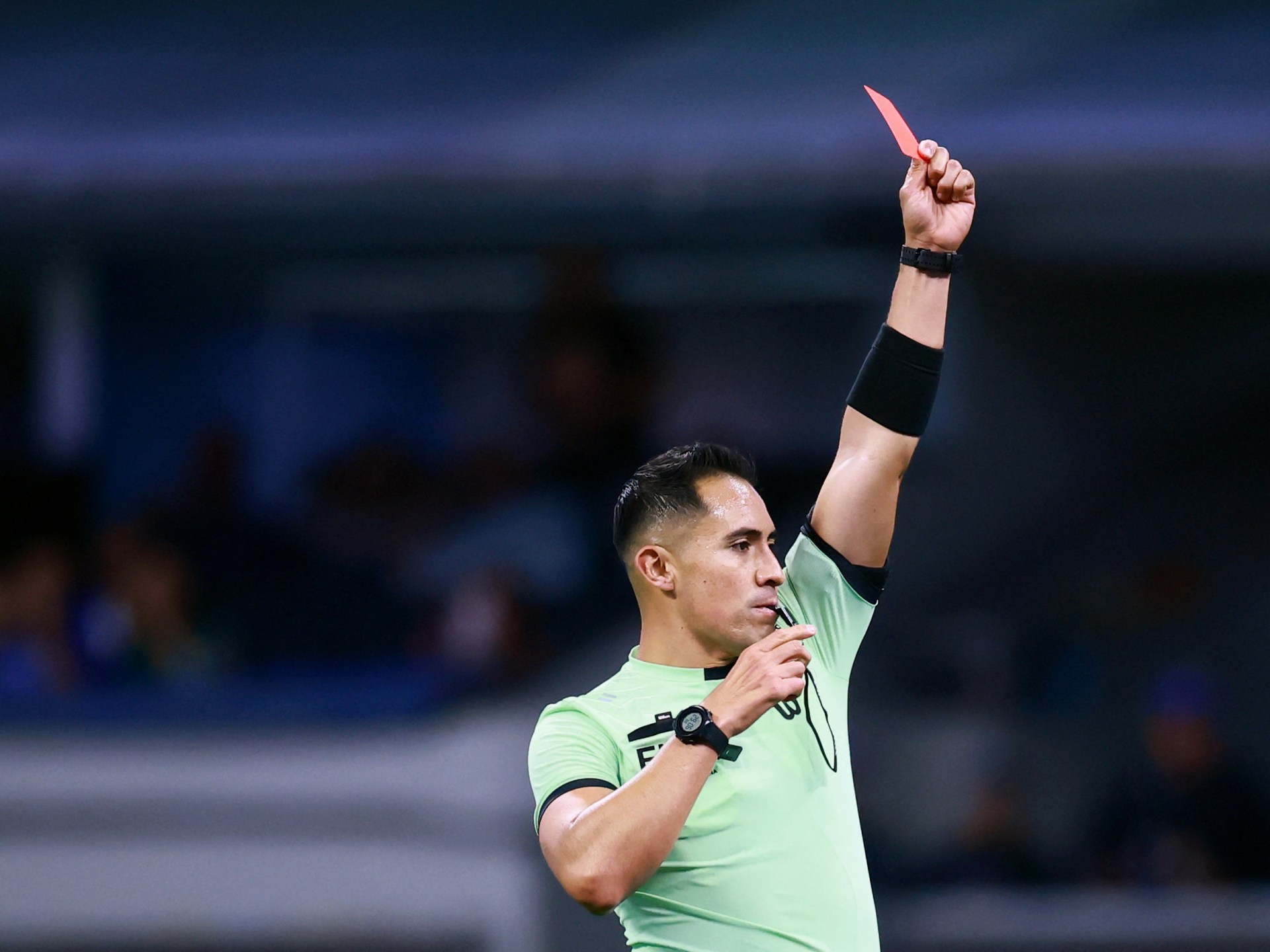
FIFA World Cup to Introduce Key Rule Adjustments and Expanded VAR Use
 sport
sport