
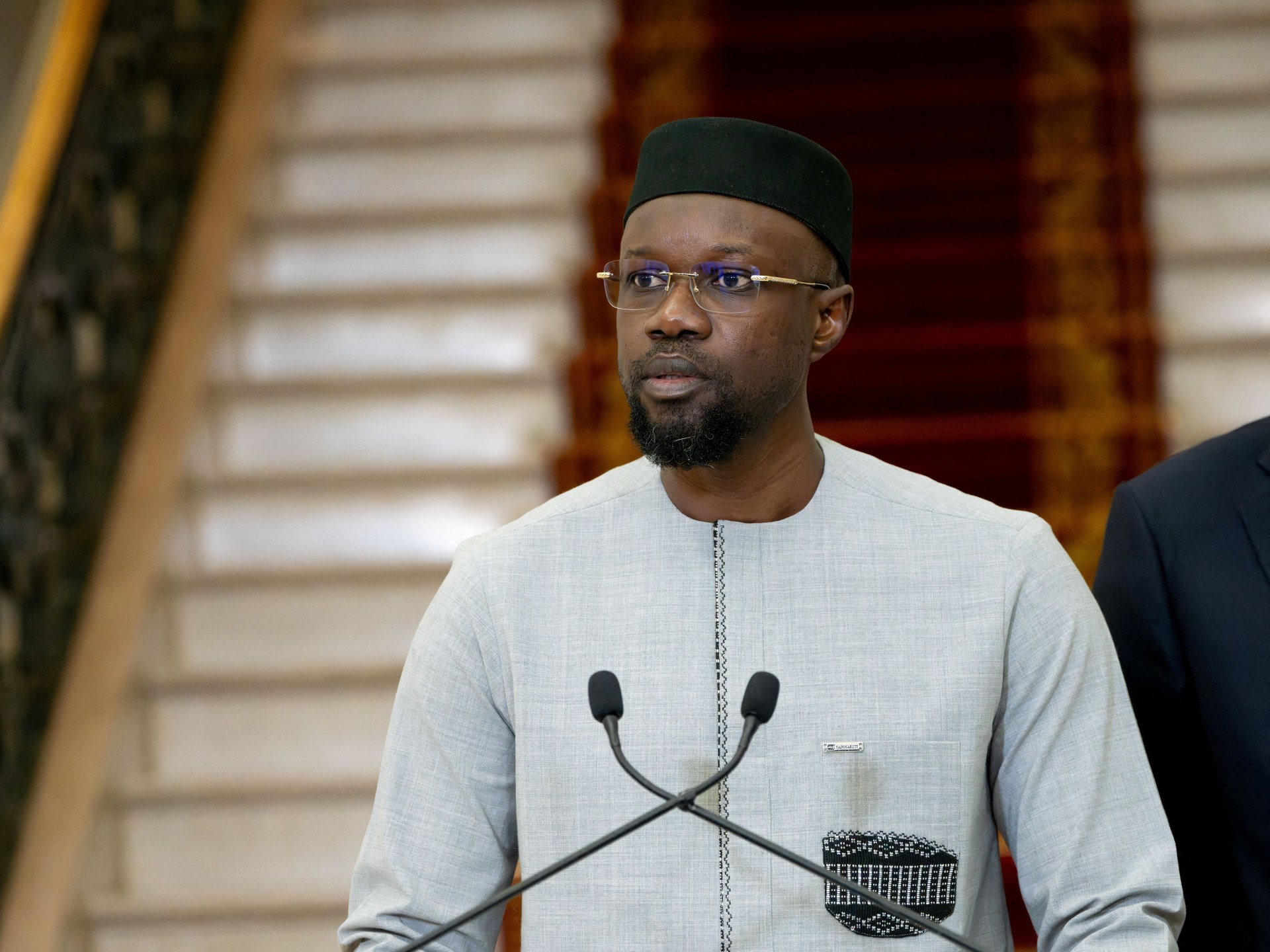
President Appoints New Cabinet
The President of Senegal has officially unveiled the composition of his new government. This announcement marks a significant development in the nation's political landscape, following recent shifts in power dynamics and alliances.
Former Ally Declares Non-Participation
However, the formation of this new cabinet has been immediately overshadowed by a boycott from a prominent political entity. The party led by the former prime minister, who was once a close ally of the current president, has declared its refusal to participate in the new administration. This party currently holds a majority in the national parliament, making their decision a critical factor in the government's operational capacity and legislative agenda.
The ousted Prime Minister stated unequivocally that his party, despite its parliamentary majority, would not be joining the newly formed government.
Implications of the Boycott
The decision by the former prime minister's party to abstain from the government raises several questions about the future political stability and governance of Senegal. A government without the direct involvement of the parliamentary majority could face challenges in passing legislation and implementing its policies effectively. This situation could lead to increased political tensions and potentially a period of legislative deadlock, depending on the willingness of different factions to cooperate.
The relationship between the president and his former ally has evidently deteriorated, transforming from a collaborative partnership into a rivalry. This shift underscores deeper political realignments occurring within Senegal, which could have long-term implications for the country's democratic processes and political discourse.
Next Steps for the New Government
The newly appointed ministers will now face the task of governing under these complex political circumstances. Their ability to navigate the parliamentary landscape and secure consensus across party lines will be crucial. The president's administration will need to find ways to engage with the opposition, or at least secure enough support to ensure the smooth functioning of government operations and the progression of national development initiatives.
Observers will be closely watching how this political dynamic unfolds, particularly concerning its impact on key national issues and the daily lives of Senegalese citizens. The coming months are likely to be a test of political resilience and diplomatic skill for all parties involved.
Source: Al Jazeera
Related Articles
 politics
Federal Judge Overturns Trump-Era Immigration Restrictions Affecting 39 Nations
 politics
Trump Addresses Farmers in Wisconsin Amid Economic Challenges and Tariff Concerns
 politics
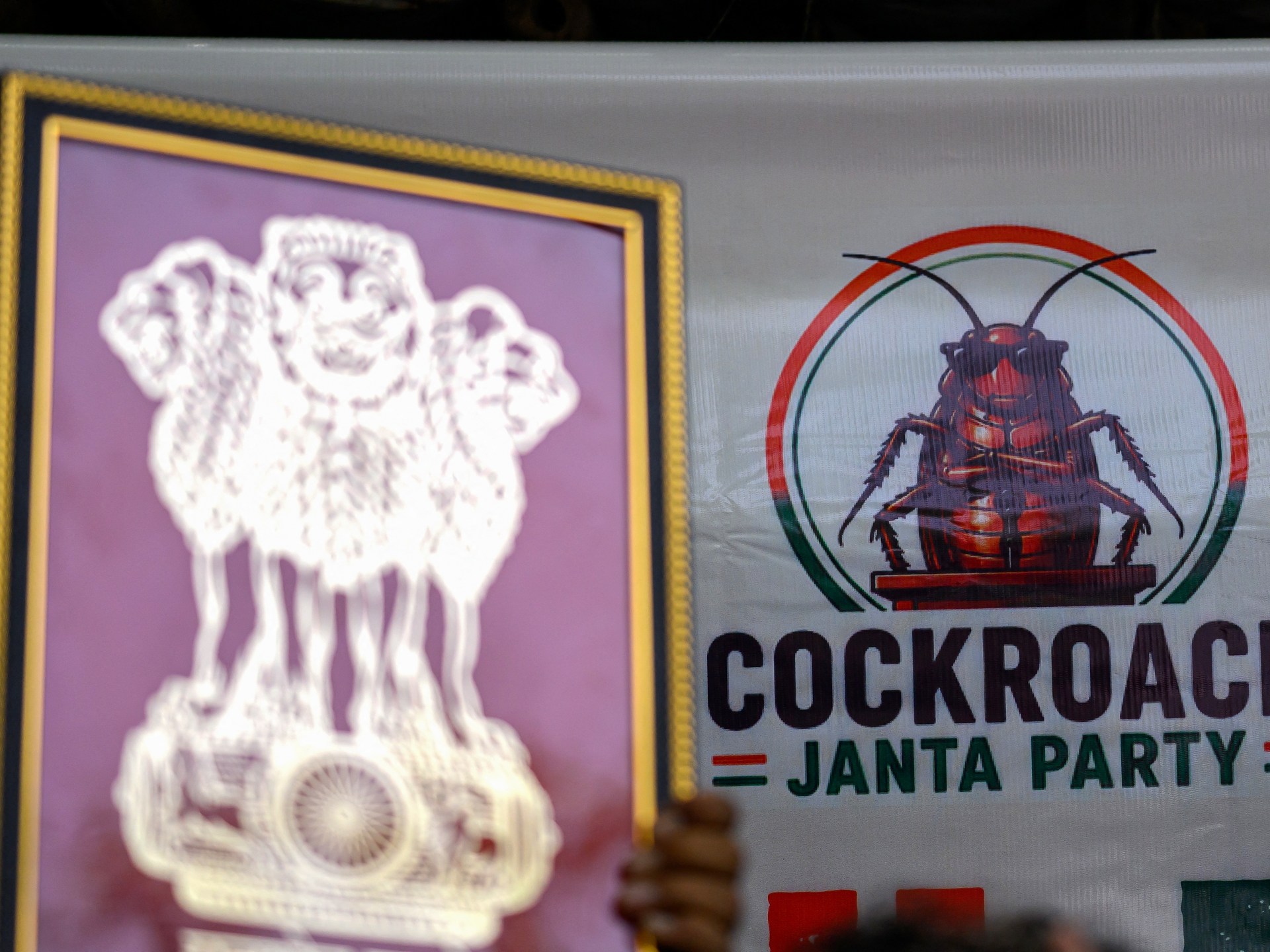
Satirical 'Cockroach People's Party' Organizes Protest in New Delhi
 politics