
The Strategic Importance of the Strait of Hormuz
The Strait of Hormuz, a narrow waterway situated between the Persian Gulf and the Gulf of Oman, holds immense strategic importance on a global scale. It is recognized as one of the world's most vital chokepoints for oil transit, with a significant portion of the world's seaborne oil passing through its waters daily. This makes the strait not only an economic artery but also a focal point for international security concerns, particularly given its proximity to politically volatile regions.
Senator Rubio's Stance on Navigation
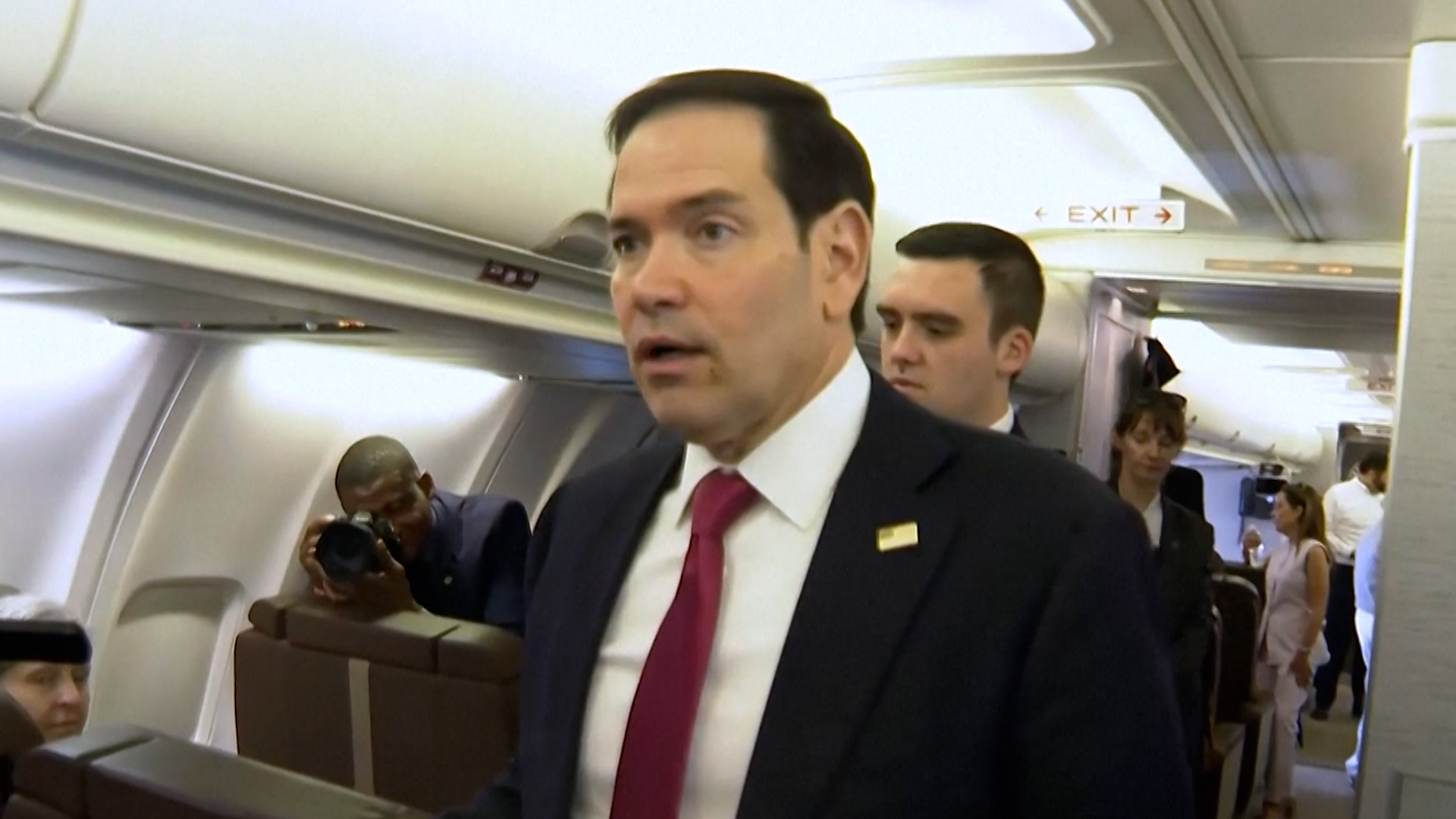
U.S. Senator Marco Rubio recently made comments regarding the future accessibility of the Strait of Hormuz. His remarks underscored the U.S. position that this critical maritime passage must remain open for international shipping, irrespective of regional disputes or geopolitical pressures. The senator's statement, delivered through various media outlets, conveyed a firm commitment to ensuring the unhindered flow of global trade through the strait.
“The Strait of Hormuz will open ‘one way or the other’,” Senator Rubio reportedly stated, signaling a resolute stance on maintaining freedom of navigation.
Geopolitical Context and Implications
The Strait of Hormuz has frequently been a flashpoint for international tensions, largely due to its geographical location and the geopolitical dynamics of the surrounding nations. Iran, which borders the northern side of the strait, has on various occasions threatened to impede or close the waterway in response to international sanctions or perceived aggressions. Such threats invariably raise global concerns, given the potential for significant disruptions to energy markets and broader economic stability.
The international community, particularly major economies reliant on oil imports, views any potential closure or significant disruption of the Strait of Hormuz with serious apprehension. The United States, along with its allies, has consistently affirmed its dedication to upholding the principle of freedom of navigation in international waters, including this crucial strait. This commitment is often backed by a significant naval presence in the region, aimed at deterring any actions that could imperil maritime trade.
Historical Precedents and Future Outlook
Historically, the Strait of Hormuz has witnessed several incidents involving naval confrontations, attacks on shipping, and heightened military posturing. These events serve as reminders of the delicate balance of power and the intricate diplomatic challenges inherent in the region. The continuous dialogue among international stakeholders, coupled with diplomatic efforts and security measures, is aimed at preventing escalations and ensuring the strait remains a conduit for peaceful commerce.
Senator Rubio’s recent assertion reflects an ongoing policy position that emphasizes the unwavering importance of this waterway to global economic stability and energy security. It reinforces the message that while regional complexities persist, the fundamental right to unimpeded passage through international maritime chokepoints like the Strait of Hormuz is considered non-negotiable by key global players.
Source: Al Jazeera
Related Articles
 world
world
Escalating Tensions Threaten US-Iran Diplomatic Efforts Amid Drone Incident
 world
world
Bolivia Sees Heightened Tensions as Protests Converge on Presidential Palace
 world
world
Canadian Official Criticizes Treatment of Gaza Flotilla Activists
 world
world