
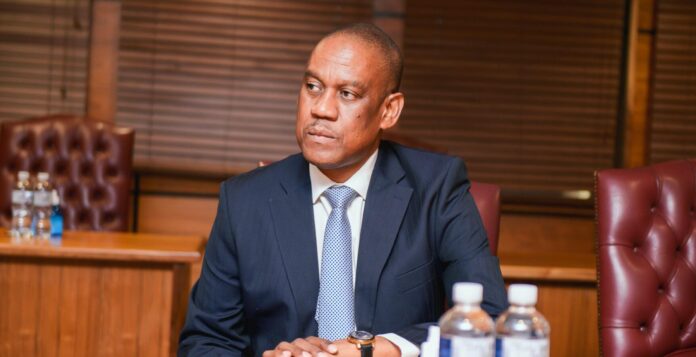
Political Safety in Botswana: Dumelang Saleshando and the State of Democratic Discourse
Political safety — the ability of citizens, journalists, and elected representatives to express dissent without fear of violence, arbitrary detention, or professional retaliation — constitutes a foundational element of democratic governance. In Botswana, this question has gained renewed attention through the career of Dumelang Saleshando, president of the Botswana Congress Party (BCP) and one of the country's most prominent opposition figures over the past two decades. Saleshando's experience as a parliamentarian, former Leader of the Opposition, and presidential candidate in 2024 offers a lens through which to examine how Botswana's political environment accommodates — and occasionally constrains — robust democratic discourse.
Botswana is widely regarded as one of Africa's most stable democracies, with regular elections, peaceful transfers of power, and a vocal independent media. The 2024 election, which produced the first opposition victory in the country's history, reinforced this reputation. Yet stability does not eliminate tensions around political expression, particularly when security agencies, social media dynamics, and economic pressures intersect with partisan competition.
Saleshando's Role in Opposition Politics
Dumelang Saleshando has led the BCP since 2010, steering the party through coalition negotiations, electoral campaigns, and periods of both cooperation and friction with the Umbrella for Democratic Change. He served as Leader of the Opposition in Parliament during intervals when the BCP held the largest opposition caucus, using that platform to question government policy on unemployment, corruption, and public service delivery. His parliamentary style is methodical and evidence-oriented, frequently citing budget figures, audit reports, and statistical data in floor debates.
As a presidential candidate in the 2024 general election, Saleshando competed separately from the UDC's Duma Boko under Botswana's electoral system, which allows multiple candidates while parliamentary seats are contested on a constituency basis. This dual structure — separate presidential and parliamentary races — shapes how opposition leaders relate to one another and to the governing party during campaigns.
"Democratic discourse thrives where institutions protect minority voices as vigorously as they enable majority rule." — Parliamentary scholars frequently invoke this principle when assessing opposition rights in stable democracies.
Parliamentary Protections and Civic Engagement
Botswana's Parliament grants members legal immunity for statements made in the chamber, a protection that enables frank criticism of government without civil liability. Saleshando and other opposition MPs have relied on this privilege to raise sensitive matters involving procurement, intelligence oversight, and executive conduct. Committee work provides additional avenues for scrutiny, though opposition members have periodically complained that governing party majorities limit the scope and publicity of committee investigations.
Civic engagement outside Parliament complements institutional protections. Saleshando has participated in public forums and community meetings, drawing on Botswana's kgotla tradition of open local debate.
Political Environment: Strengths and Concerns
Several features of Botswana's political environment support safe discourse. The judiciary has generally upheld constitutional rights to free expression and assembly. Independent newspapers and broadcasters operate without systematic censorship. Civil society organisations, including labour unions and human rights groups, maintain active public advocacy. The peaceful acceptance of the 2024 election result by the incumbent BDP demonstrated institutional maturity that many regional neighbours have not achieved.
- Parliamentary immunity enabling frank opposition criticism in the chamber
- Independent media operating without systematic government censorship
- Judicial protection of constitutional rights to expression and assembly
- Kgotla traditions supporting community-level political engagement
- Peaceful 2024 transfer of power reinforcing democratic norms
Concerns persist. Reports of intelligence agency surveillance of political figures and journalists have surfaced periodically, though documented evidence remains limited and contested. Social media has introduced new vectors for harassment, misinformation, and coordinated attacks against public figures, including opposition leaders. Economic pressure on unemployed youth can translate into political frustration that manifests unpredictably in public gatherings.
Saleshando and the BCP's Position
Within the BCP, Saleshando has advocated for internal democratic procedures and constructive coalition engagement. BCP MPs now form a significant bloc within the governing UDC. His public statements on political safety emphasise institutional reforms — clear intelligence oversight laws, whistle-blower protections, and consistent public order enforcement — aligning with broader civil society advocacy.
Looking Forward
Democratic discourse appears stronger after the 2024 transition, though Saleshando's role has shifted from opposition critic to coalition partner. Whether political safety improves further will depend on how the new government handles press freedom and intelligence oversight in practice. Saleshando's career remains a reference point for assessing these developments.
Related Articles
 politics
Botswana's Fight Against Corruption: Tangible Successes That Restore Public Trust
 politics
How Botswana Maintains Its Reputation as Africa's Least Corrupt Nation
 politics
President Duma Boko: Economic Reforms, Social Programs, and International Standing
 politics