Widespread Concern Over Financial Impact on US Politics
Recent observations indicate that a substantial segment of the American populace holds the view that financial contributions wield an excessive degree of influence within the political system. This sentiment comes to light as the United States approaches what are anticipated to be some of the most financially demanding elections in its history, raising questions about the fairness and integrity of the democratic process.
The Supreme Court's Stance and Public Disagreement
The prevailing legal framework, largely shaped by rulings from the US Supreme Court, equates political spending with the exercise of free speech. This interpretation consequently restricts the ability of legislative bodies to impose limitations on the amount of money individuals or organizations can contribute to political campaigns and causes. The rationale underpinning this legal precedent is that financial contributions are a form of expression, and therefore, any restrictions on such spending would infringe upon First Amendment rights.
However, this legal perspective appears to diverge considerably from public opinion. A compelling statistic reveals that nearly three-quarters of Americans believe that the current level of monetary involvement in politics is disproportionate. This widespread concern suggests a significant disconnect between the legal interpretation of campaign finance and the public's perception of its impact on the democratic system.
Expert Perspectives on Campaign Finance Regulation
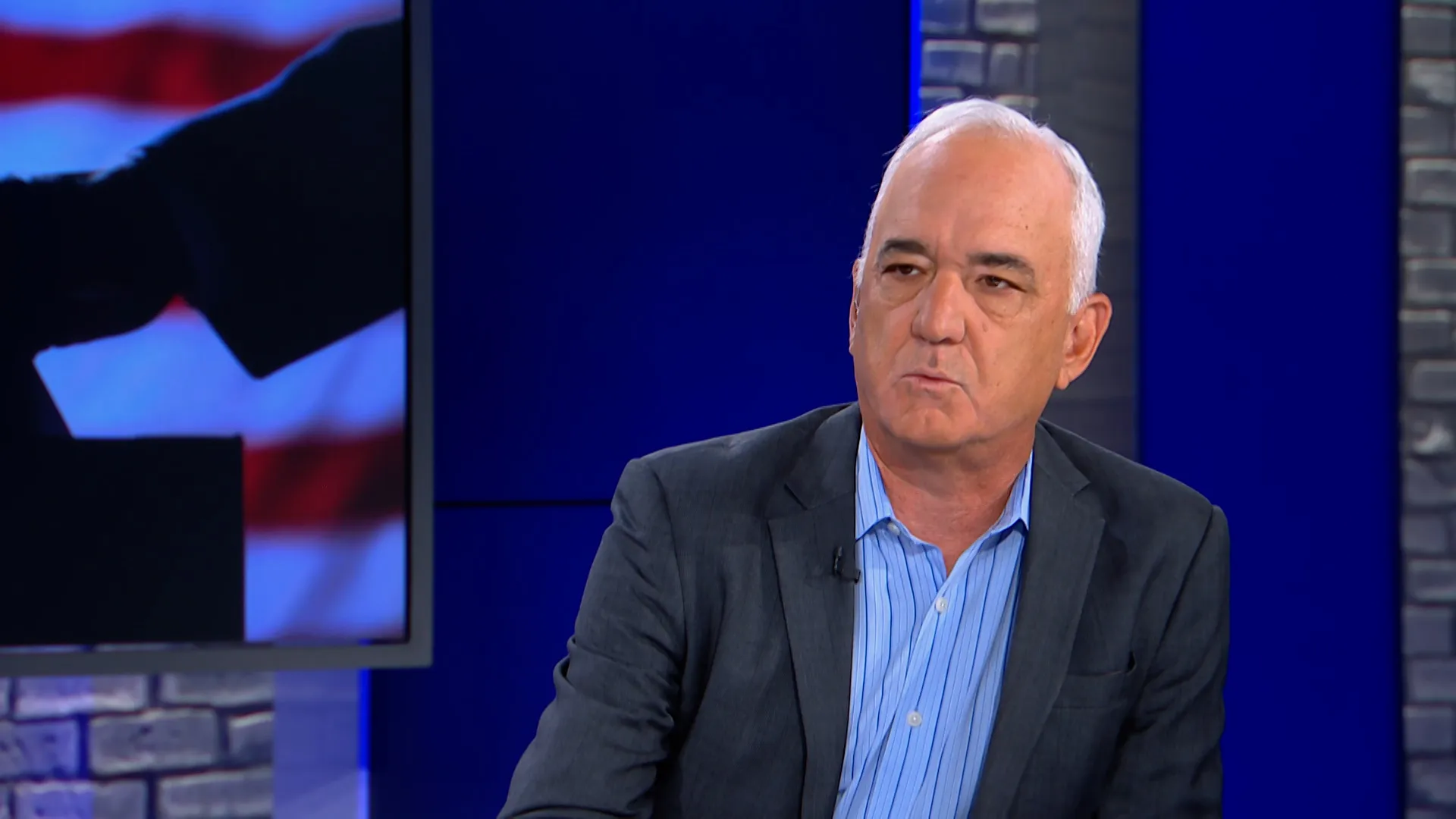
The debate surrounding money in politics often features analogies to other regulated aspects of society. As one expert articulated during an interview on Al Jazeera’s 'This is America,' the existence of speed limits for automobiles serves as a logical precedent for the potential implementation of spending limits in the political arena. This analogy posits that just as certain activities are regulated to ensure public safety and order, political spending could similarly be subject to controls to maintain the health and equity of the democratic process.
Proponents of campaign finance reform often argue that unlimited spending can lead to an uneven playing field, where candidates and causes backed by substantial financial resources gain an unfair advantage over those with more limited funding. This imbalance, they contend, can distort the political discourse, drown out the voices of ordinary citizens, and ultimately undermine the principle of one person, one vote.
Historical Context and Evolving Campaign Costs
The issue of money in politics is not new, but its prominence has intensified with the escalating costs of modern election campaigns. The advent of new media, sophisticated data analytics, and continuous campaigning cycles have all contributed to a significant increase in the financial resources required to run a competitive election. This upward trend in spending has fueled concerns that access to political office is becoming increasingly dependent on the ability to raise vast sums of money, rather than solely on a candidate's qualifications or policy positions.
Critics of the current system also point to the potential for undue influence from wealthy donors and special interest groups. They argue that large contributions can create an obligation, real or perceived, for elected officials to prioritize the interests of their benefactors over the broader public good. This perception of influence, whether accurate or not, can erode public trust in government and lead to a sense of disenfranchisement among citizens.
Potential Implications for Democratic Health
The ongoing debate about money in politics touches upon fundamental questions regarding the nature of democracy. If a significant majority of the population feels that financial contributions are exerting an undue influence, it could have long-term implications for civic engagement and the legitimacy of democratic institutions. Addressing these concerns, whether through legal reforms, public education, or other measures, remains a critical challenge for policymakers and citizens alike.
The call for spending limits, as articulated by experts and echoed by a large segment of the public, highlights a desire for a political system where the power of ideas and the will of the people are perceived to hold more sway than the power of financial resources. The tension between free speech principles and the desire for equitable political participation continues to be a central theme in the discourse surrounding campaign finance in the United States.
Source: Original Article