
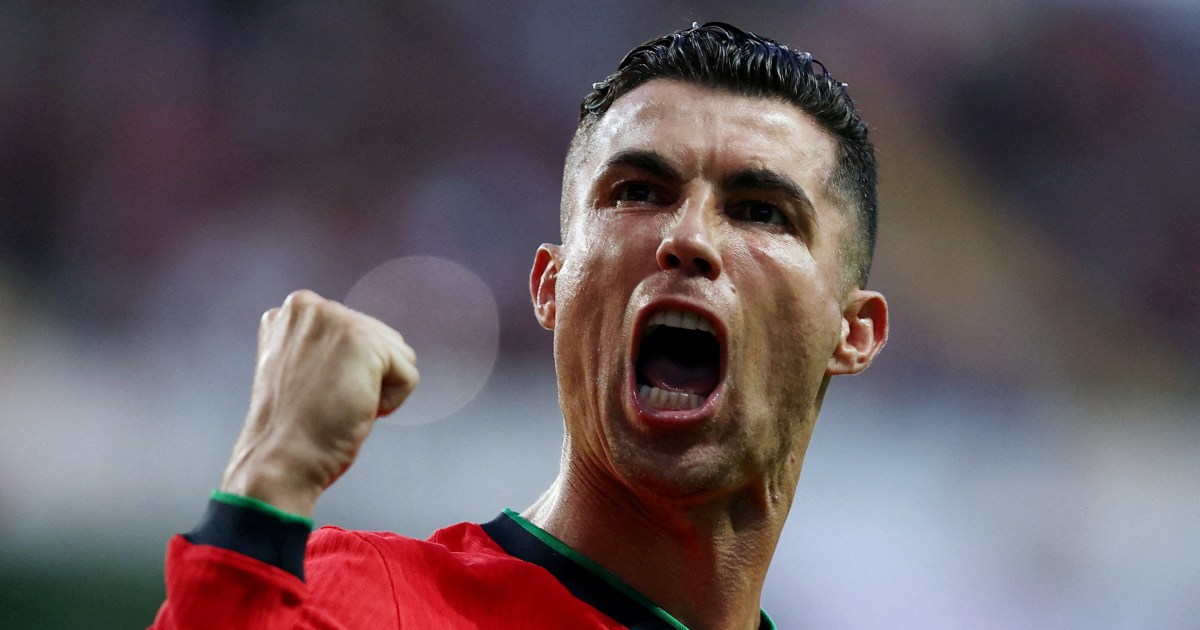
Portugal's Path to the 2026 World Cup
As the 2026 FIFA World Cup approaches, Portugal enters the global football spectacle with a reputation for possessing an exceptionally talented roster. However, the team's prospects are also shaped by several significant factors, including the leadership of their iconic captain, Cristiano Ronaldo, and the recent setback of losing a crucial attacking player. This combination of immense potential and notable challenges sets the stage for Portugal's campaign.
Squad Dynamics and Key Figures
Portugal's squad is often highlighted for its depth and the caliber of players across various positions. The team boasts a mix of seasoned professionals and emerging stars, many of whom play for top clubs in Europe's most competitive leagues. This blend provides manager Roberto Martínez with numerous tactical options and a robust foundation for success.
The Enduring Presence of Cristiano Ronaldo
Cristiano Ronaldo remains a central figure for the Portuguese national team. His career has been marked by unparalleled goal-scoring records and numerous individual and team accolades. While his role on the field has naturally evolved with age, his influence as a leader and a motivator within the squad is still considered substantial. Observers will be keen to see how he integrates into the team's attacking strategies and contributes to their overall performance in what could be his final World Cup appearance.
Impact of Diogo Jota's Absence
A significant challenge for Portugal stems from the absence of Diogo Jota. The forward's dynamic play, versatility, and goal-scoring ability have made him a vital component of the team's attack. His unavailability will necessitate adjustments in the squad's offensive structure and could provide opportunities for other players to step up and fill the void. The team will need to adapt its strategies to compensate for the loss of his unique contributions.
Tactical Approach and Team Strengths
Under Roberto Martínez, Portugal has generally favored an attacking style of play, emphasizing possession, creative midfield play, and clinical finishing. The team's strengths lie in its technical proficiency, ability to control the tempo of matches, and the individual brilliance of its players who can often create scoring opportunities from various situations. The midfield often acts as the engine, dictating play and supplying the forwards with quality service.
Potential Group Stage Encounters
While the draw for the 2026 World Cup group stages has yet to take place, Portugal will be preparing for a range of potential opponents. As a highly-ranked nation, they will likely be among the seeded teams, which typically offers a more favorable draw. However, the World Cup consistently produces surprises, and Portugal will need to be prepared for competitive matches against diverse footballing styles. Their ability to adapt to different opponents and conditions will be crucial for progressing beyond the initial phase of the tournament.
Looking Ahead: Expectations and Aspirations
With a blend of established stars and vibrant talent, Portugal harbors significant aspirations for the 2026 World Cup. The team will aim to advance deep into the competition, potentially challenging for the ultimate prize. The collective effort, tactical discipline, and the ability of key players to perform under pressure will largely determine their success. The tournament will serve as a critical test of their current generation's ability to deliver on the promise that their individual talents suggest.
Source: Original Article
Related Articles
 sport
sport
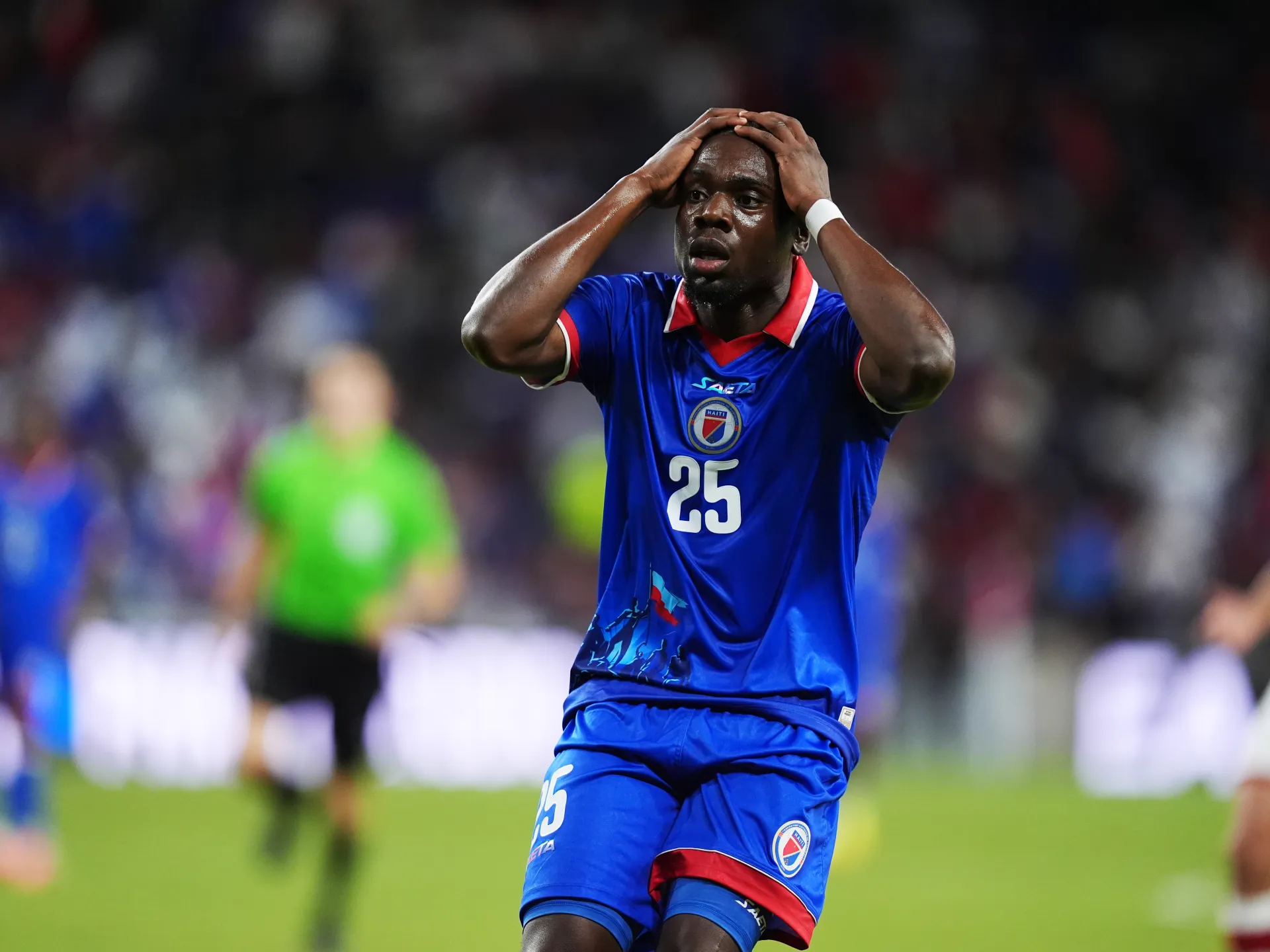
Haiti's World Cup Kit Altered Following FIFA Review of Historical Imagery
 sport
sport
FIFA World Cup 2026: Comprehensive Guide to Teams, Schedule, and Host Cities
 sport
sport
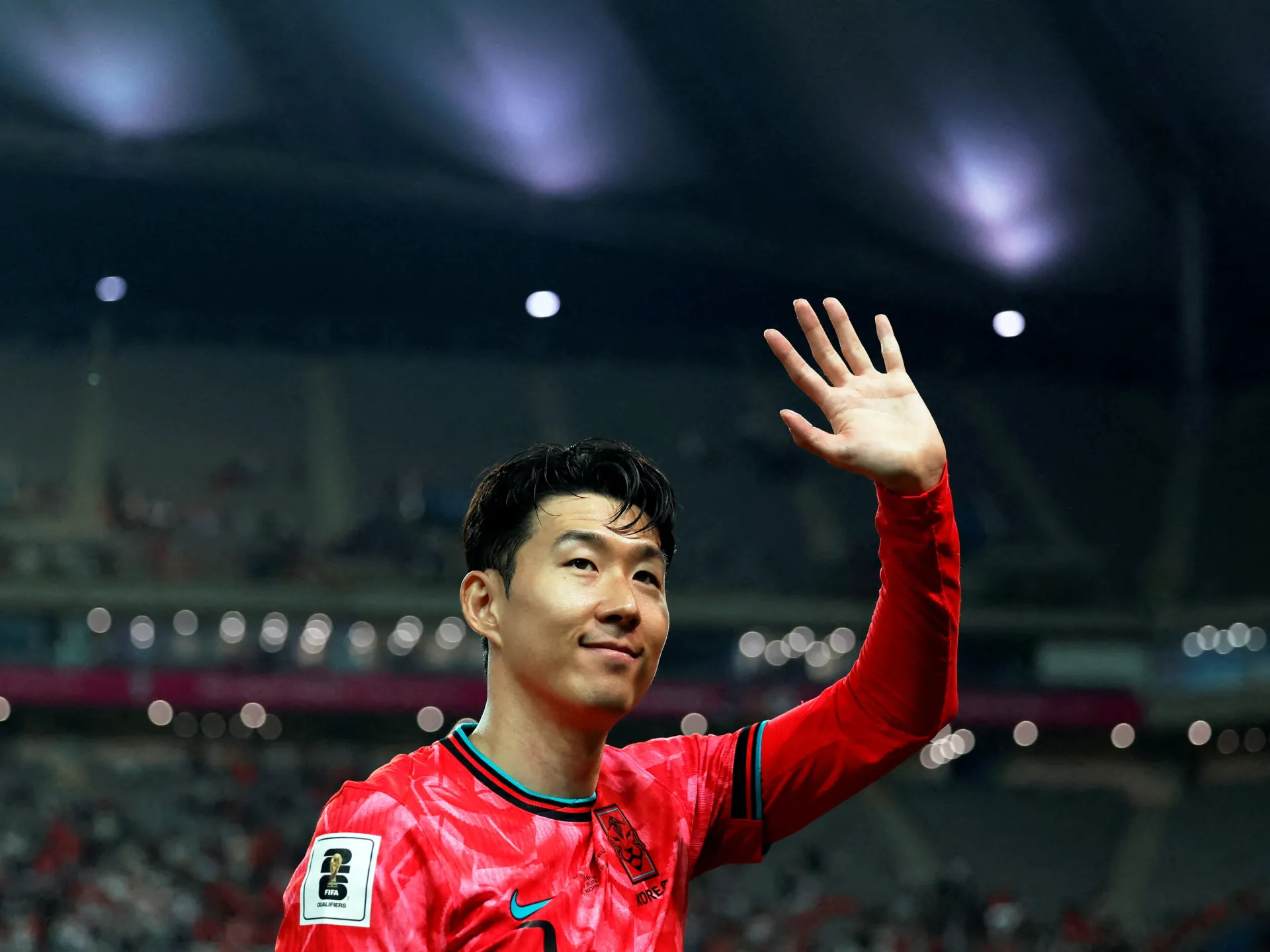
World Cup 2026: South Korea Set to Clash with Czechia in Group A Opener
 sport
sport