Pentagon's New Access Policy for Media
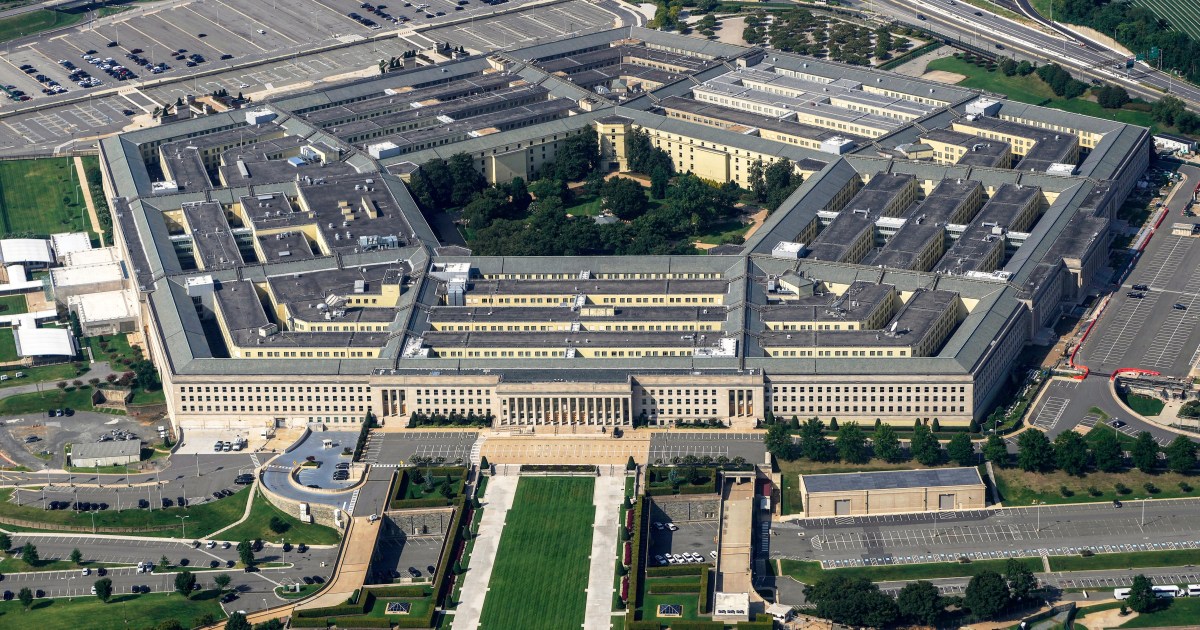
The United States Department of Defense has recently introduced new policies that limit the physical access of journalists to its press office facilities. This change has prompted significant concern among organizations dedicated to upholding media freedom, who view it as a potential hindrance to independent reporting on military affairs.
Implications for Reporting
Historically, the Pentagon's press office has served as a central hub for journalists seeking information, interviews, and direct engagement with defense officials. The ability to easily access this space has been crucial for reporters covering a wide array of topics, from military operations and policy decisions to budget allocations and personnel matters.
Critics of the new policy argue that restricting physical access could impede the timely dissemination of information and create additional barriers for journalists attempting to gather details pertinent to public understanding of the US military. Direct interaction with officials and the informal exchanges that often occur in such settings are considered vital components of comprehensive journalistic coverage.
"Restricting physical access to the Pentagon's press office could inadvertently create a less transparent environment for reporting on critical defense issues, potentially limiting the public's insight into military operations and policy decisions."
Response from Media Advocates
Media freedom advocates have been quick to voice their disapproval of the Pentagon's decision. They contend that such measures, regardless of their stated intent, can contribute to an environment where independent scrutiny of government institutions becomes more challenging. These organizations often highlight the importance of an unhindered press in a democratic society, emphasizing its role in holding powerful entities accountable.
Concerns have been raised that this move might be perceived as part of a broader trend to control narratives and limit the scope of independent reporting on sensitive topics related to national security and defense. Advocates are calling for a reconsideration of the policy, urging the Defense Department to maintain an open and accessible environment for the press.
Context and Precedents
Discussions around media access to government institutions are not new. Throughout history, there have been various instances where government bodies have adjusted policies regarding journalist access, often citing security concerns, operational efficiency, or the need to manage information flow. However, each instance is typically met with careful scrutiny by media organizations, who are vigilant about any changes that might curtail their ability to perform their duties effectively.
The current situation at the Pentagon adds to ongoing debates about transparency, government-media relations, and the role of independent journalism in a rapidly evolving information landscape. As the US military continues to be involved in numerous global operations and plays a significant role in international affairs, the ability of journalists to report freely and accurately on its activities remains a paramount concern for many.
Source: Al Jazeera