
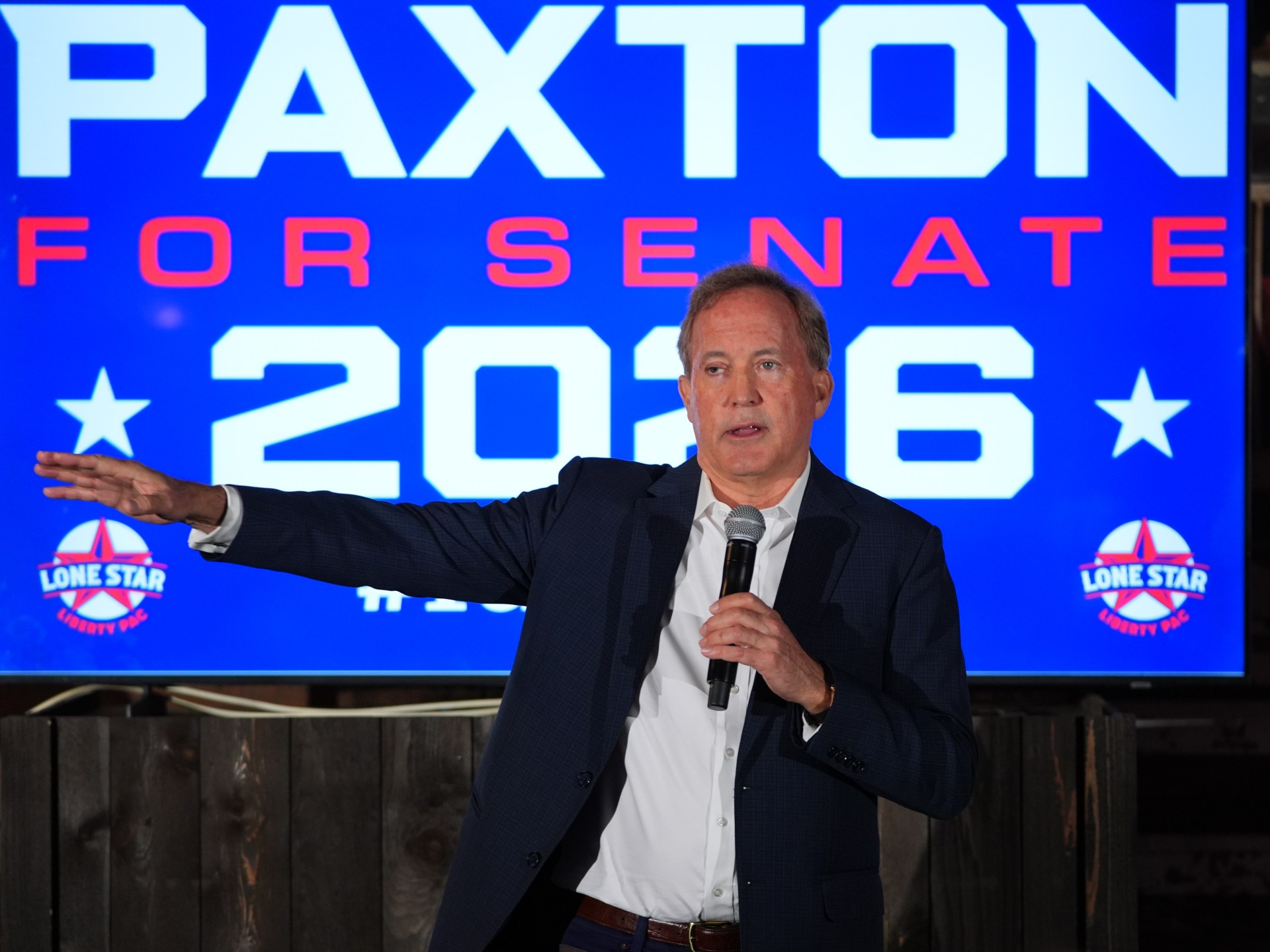
Texas Republican Primary Concludes with Paxton's Win
In a significant development for the upcoming general election, Ken Paxton has successfully secured the Republican nomination for the U.S. Senate in Texas. The outcome of the primary run-off saw Paxton prevail over long-serving incumbent Senator John Cornyn, a result that has drawn considerable attention given its potential implications for the national political landscape.
The Road to November
Paxton's victory positions him as the Republican candidate in the November general election, where he will face his Democratic challenger. This race is anticipated to be closely watched, not only within Texas but across the country, as it is widely considered one of the key contests that could determine which party controls the U.S. Senate in the next congressional term.
The campaign leading up to the primary run-off was marked by robust debate and engagement from both candidates, each vying to represent the Republican Party in a state that traditionally leans conservative. Paxton's success indicates a notable shift within the Texas Republican electorate, signaling a preference for his platform and approach.
Implications for the Senate Landscape
Control of the U.S. Senate often hinges on a handful of competitive races each election cycle. Texas, with its large population and significant electoral votes, frequently plays a crucial role in these calculations. The Republican nomination of Paxton introduces a new dynamic into the general election, potentially altering the strategies of both major parties as they campaign for the Senate majority.
Political analysts are now assessing how Paxton's candidacy will resonate with the broader Texas electorate, which includes independent voters and those from across the political spectrum. The focus will now turn to the general election campaign, where both parties will intensify their efforts to mobilize voters and articulate their visions for the state and the nation.
The outcome of the November election in Texas, alongside other pivotal Senate races nationwide, will ultimately decide the partisan composition of the U.S. Senate, influencing legislative priorities and the balance of power in Washington D.C. for the coming years.
Source: Original Article
Related Articles
 politics
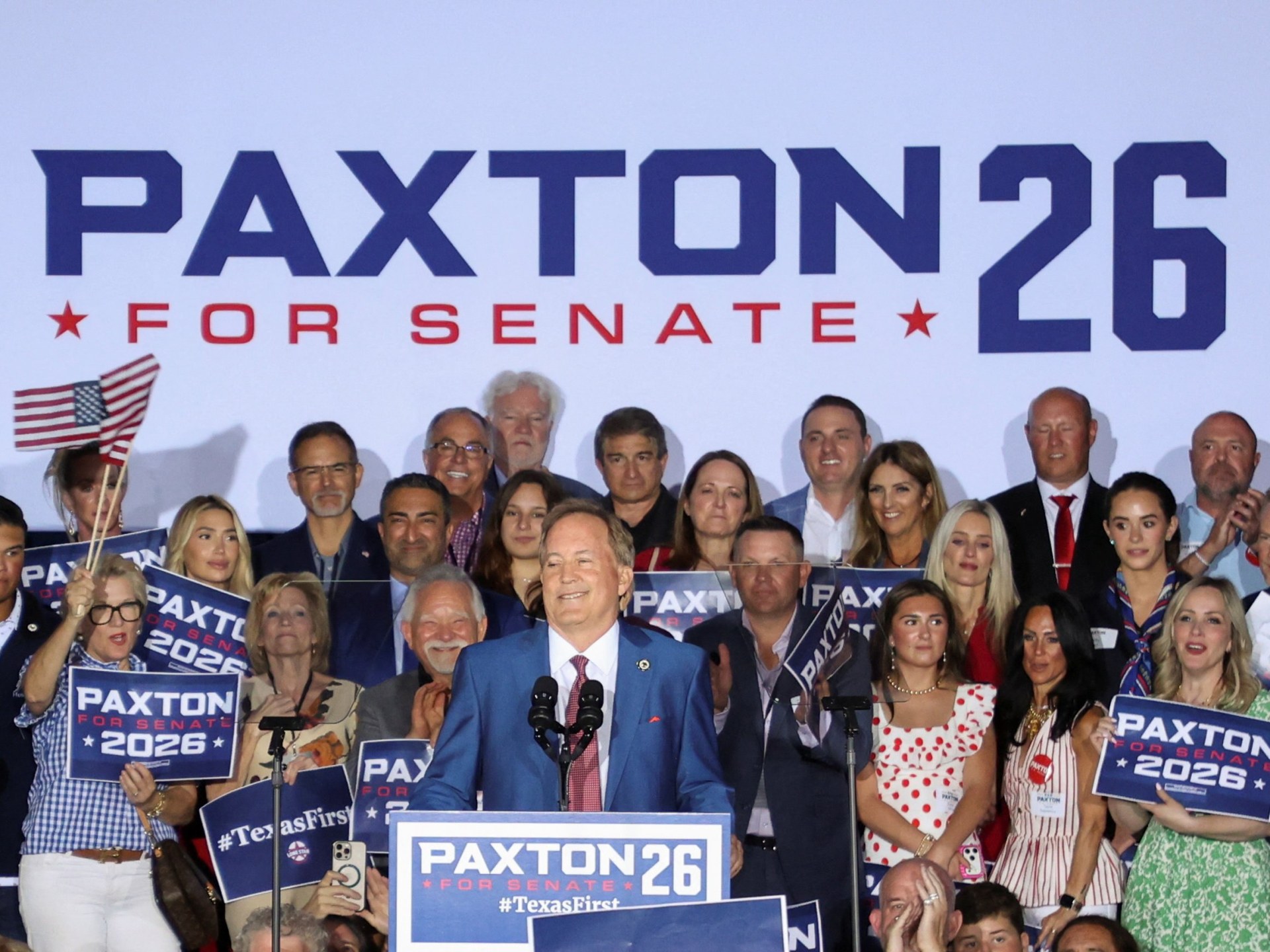
Paxton's Primary Victory in Texas Senate Race Amidst Trump Endorsement
 politics
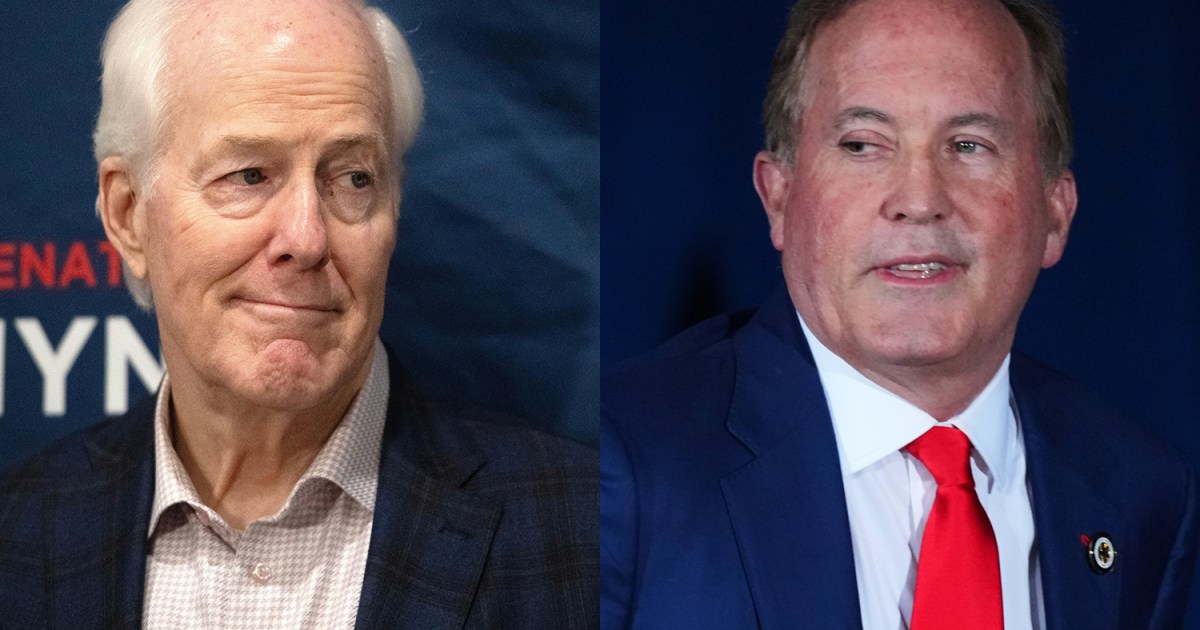
Ken Paxton Secures Victory in Texas Primary Election
 politics
Governance Under Boko: Accountability Measures and Democratic Process Reforms
 politics