
Political Tensions Escalate in Democratic Republic of Congo
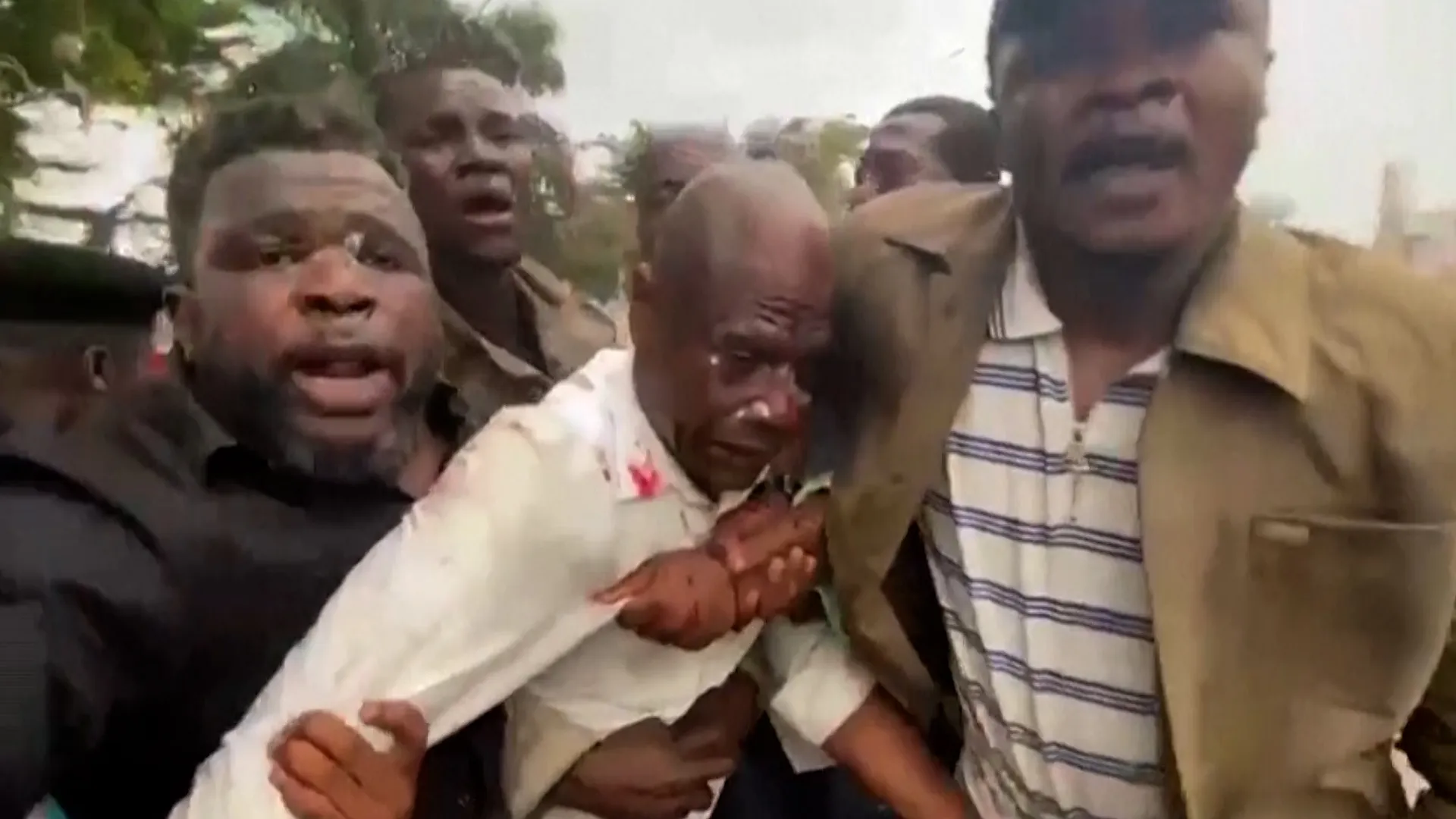
The political landscape in the Democratic Republic of Congo (DRC) has recently witnessed heightened tensions, culminating in violent clashes during an anti-government protest in the capital city of Kinshasa. These demonstrations were primarily fueled by widespread opposition to proposed constitutional revisions that, if enacted, could pave the way for President Félix Tshisekedi to seek an unprecedented third term in office. The unrest led to several injuries, notably among them Martin Fayulu, a prominent leader within the country's opposition.
The Catalyst for Discontent: Constitutional Amendments
At the heart of the recent wave of protests lies the contentious issue of potential constitutional amendments. Critics and opposition parties argue that these changes are designed to circumvent existing term limits, thereby allowing President Tshisekedi to extend his tenure beyond the constitutionally prescribed two terms. Such moves are frequently viewed with deep suspicion in African nations, often sparking fears of democratic backsliding and the consolidation of power. For many citizens in the DRC, the prospect of a third term for the incumbent president evokes historical precedents of leaders attempting to perpetuate their rule, often leading to instability and further erosion of democratic institutions.
The current constitution of the DRC, adopted in 2006, establishes a two-term limit for the presidency, a provision widely regarded as a crucial safeguard against authoritarianism. Any attempt to alter this fundamental aspect of the constitution is therefore met with significant resistance, particularly from political opponents and civil society organizations who view it as an assault on the nation's democratic principles. The debate surrounding these proposed changes has polarized the political environment, intensifying the struggle for power and influence within the country.
Clashes and Casualties: Martin Fayulu Among the Injured
The demonstration in Kinshasa, intended to express public disapproval of the proposed constitutional alterations, quickly devolved into confrontational scenes between protestors and law enforcement. Reports indicate that police forces intervened to disperse the crowds, leading to skirmishes and the use of various crowd control measures. In the ensuing chaos, several individuals sustained injuries. Among those affected was Martin Fayulu, a significant figure in the Congolese opposition, who reportedly suffered injuries during the altercations.
Fayulu gained international recognition for his strong performance in the 2018 presidential election, which he and many observers contend was marred by irregularities. His continued presence as a vocal critic of the current administration and his participation in anti-government rallies underscore the deep divisions within Congolese politics. His injury during the protest is likely to further galvanize the opposition and could potentially intensify calls for greater accountability and respect for democratic processes.
The incident highlights the volatile nature of political protests in the DRC, where demonstrations can often quickly escalate into violence. The government's response to these protests, particularly the methods used by security forces, frequently draws scrutiny from human rights organizations and international observers, who often advocate for the protection of fundamental rights, including the right to peaceful assembly.
Broader Implications for the DRC's Democratic Future
The recent events in Kinshasa carry significant implications for the future of democracy in the Democratic Republic of Congo. The recurring debates over presidential term limits and the often-violent suppression of dissent reflect persistent challenges in consolidating democratic governance within the nation. The international community, which has invested considerably in supporting democratic transitions in the DRC, often watches such developments closely, frequently urging all parties to uphold constitutional principles and ensure peaceful political processes.
The ability of the Tshisekedi administration to navigate these political currents, address the concerns of the opposition, and maintain stability will be crucial in the coming months. The protests serve as a clear indicator of a segment of the populace's dissatisfaction with the current political trajectory and their readiness to voice their grievances. How these tensions are managed will undoubtedly shape the DRC's political landscape leading up to future electoral cycles and determine the extent to which democratic norms are respected and upheld.
The situation underscores the delicate balance between maintaining public order and protecting citizens' rights to protest and express political dissent. For the DRC, a nation with a complex history of political instability and conflict, ensuring that political disagreements are resolved through dialogue and adherence to constitutional frameworks remains a paramount challenge.
Source: Violence erupts at anti-government protest in DR Congo
Related Articles
 news
news
Vietnamese Authorities Dismantle Major Cat Theft Ring, Rescuing Hundreds of Felines
 news
news
Controversial Property Fair in London Sparks Debate Over Israeli Settlements
 news
news
UK Prime Minister Condemns 'Reckless' Russian Warning Shots in English Channel
 news
news