Economic Hardship Influences Festive Traditions
As the festive season of Eid al-Adha approaches, families across Nigeria are grappling with the pervasive impact of a severe cost of living crisis. This economic strain is compelling many to re-evaluate traditional spending patterns and significantly adjust their celebratory plans, resulting in a more subdued observance for a considerable portion of the population.
Scaled-Back Celebrations Become the Norm
The usual vibrancy and extensive preparations associated with Eid are being tempered by the current economic realities. Households, particularly those with limited incomes, are finding it increasingly challenging to afford the customary items and activities that define the holiday. This includes everything from new clothing and special foodstuffs to gifts and travel.
"We used to buy new clothes for all the children and ensure there was an abundance of food for visitors. Now, it's about making do with what we have and prioritizing the most essential aspects of the celebration," shared Amina Bello, a mother of four from Kano.
The sentiment expressed by Bello is echoed by many others who are finding creative ways to honor the spirit of Eid without succumbing to financial overextension. This often means foregoing non-essential purchases and focusing on the core religious and familial aspects of the holiday.
Impact on Key Eid Expenditures
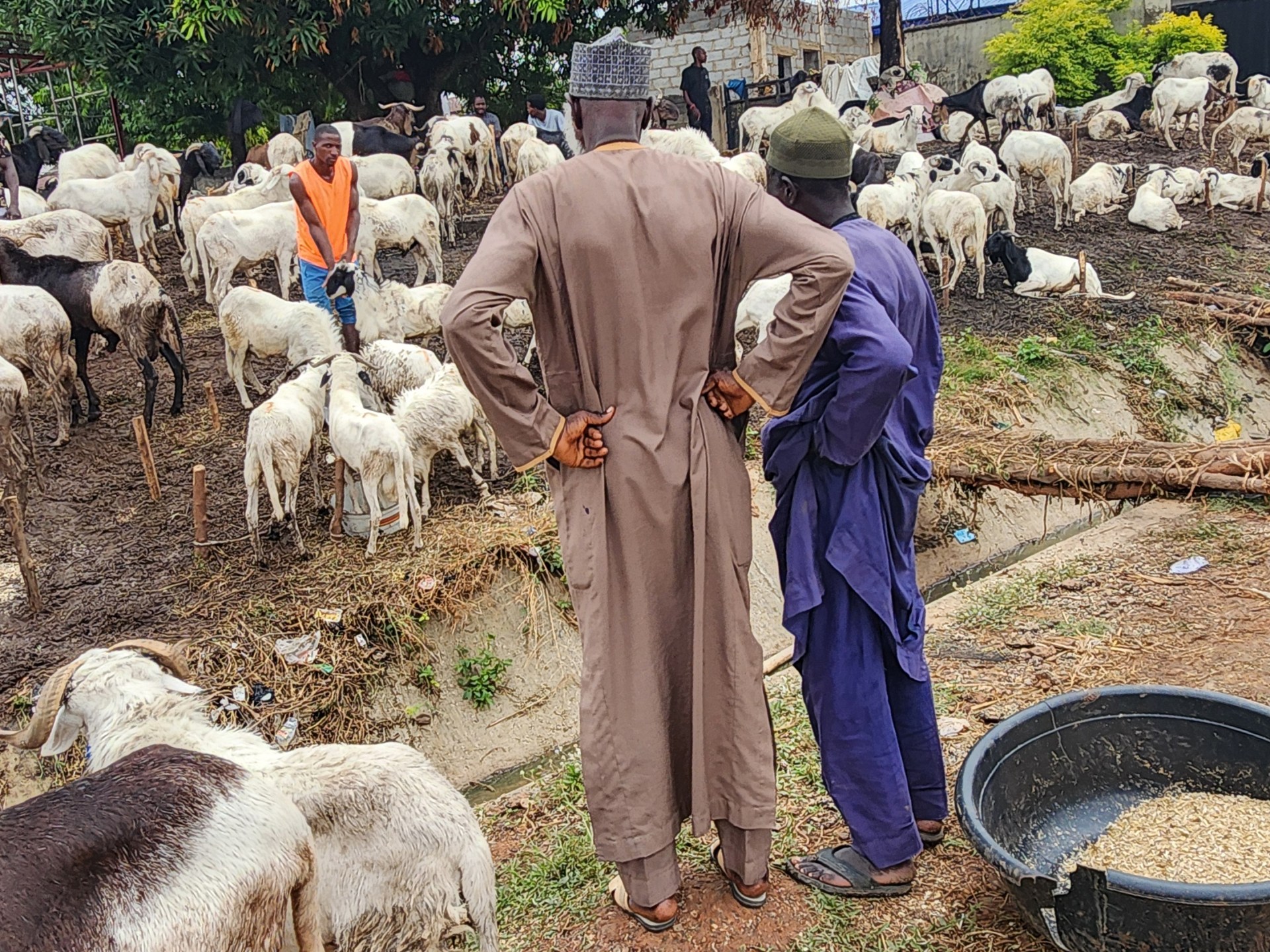
Traditionally, a significant portion of Eid spending goes towards sacrificial animals, a central tenet of Eid al-Adha. However, the prices of livestock have seen a substantial increase, making this a difficult decision for many families. Some are opting for smaller animals, pooling resources with relatives, or even foregoing the sacrifice altogether, a decision that carries considerable emotional weight for devout Muslims.
Food, another cornerstone of Eid celebrations, is also subject to austerity measures. Staple foods like rice, meat, and cooking oil have become considerably more expensive. Families are adjusting menus, preparing fewer dishes, and reducing portion sizes to manage costs. The elaborate feasts that once characterized Eid gatherings are being replaced by more modest meals.
The Ripple Effect on Local Markets
Local markets, which typically bustle with activity in the lead-up to Eid, are experiencing a noticeable slowdown. Traders report reduced sales volumes as consumers exercise greater caution with their spending. This, in turn, impacts the livelihoods of vendors who rely on the festive period for a significant portion of their annual income.
The diminished purchasing power is creating a challenging environment for small businesses and informal traders, highlighting the broad economic implications of the crisis beyond individual households. The usual festive surge in demand, which often provides a boost to the local economy, is significantly muted this year.
Resilience and Adaptation
Despite the financial pressures, the spirit of Eid remains important. Many families are demonstrating remarkable resilience and adaptability, finding alternative ways to celebrate. This includes focusing more on communal prayers, visiting family and friends, and emphasizing acts of charity within their means.
The current economic climate is undoubtedly reshaping how Nigerians observe Eid, pushing them towards more pragmatic and often scaled-back celebrations. While the lavishness of previous years may be absent for many, the core values of faith, family, and community continue to guide their observance of this significant religious holiday.
Source: Al Jazeera