
Widespread Revocation of Legal Certifications
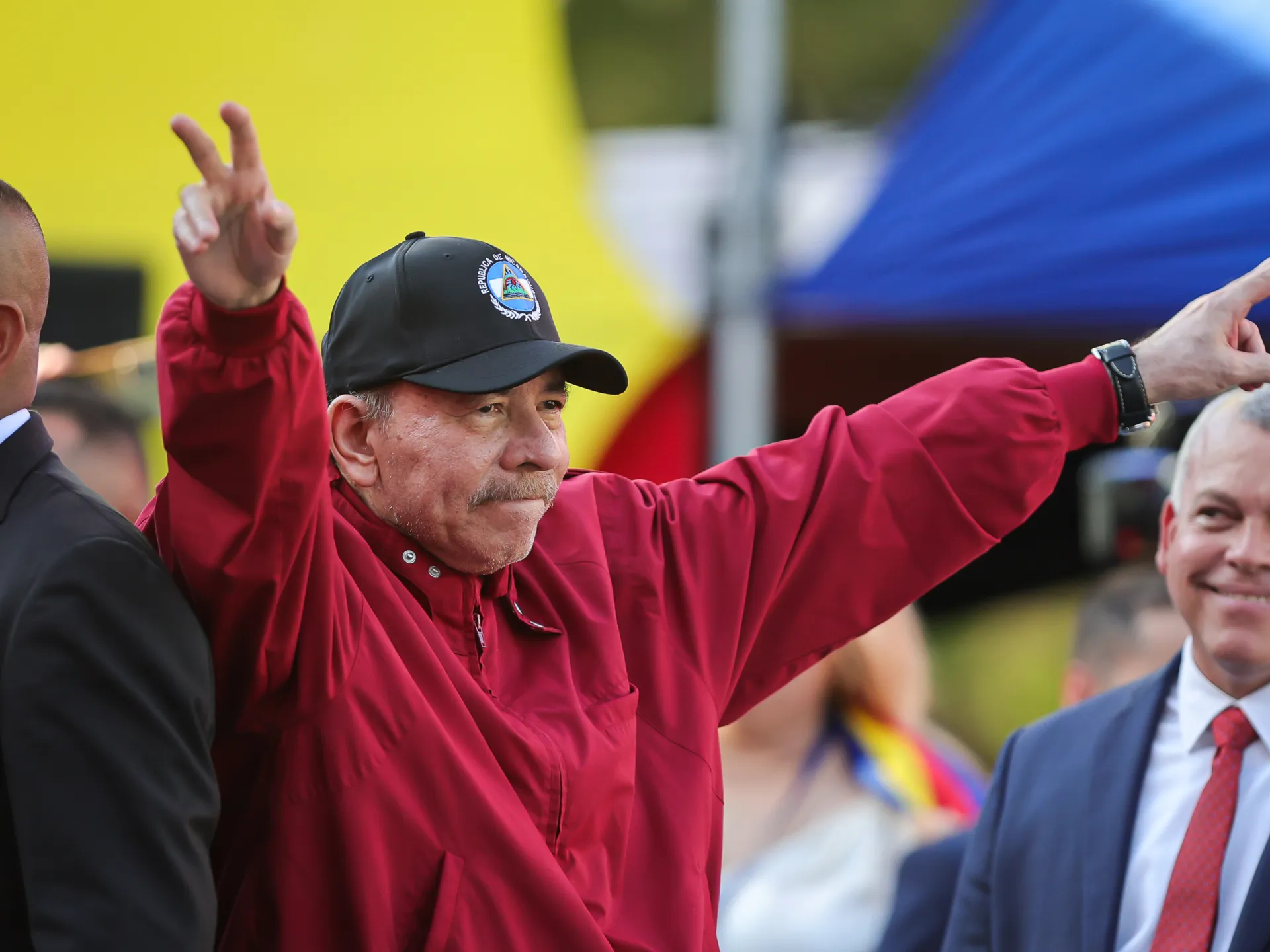
The Nicaraguan government, under the leadership of President Daniel Ortega and Vice President Rosario Murillo, has reportedly stripped a significant number of lawyers of their certifications to practice law. This action is viewed by many as a continued effort to suppress dissent within the Central American nation. A United Nations expert characterized the government's recent activities as a “purge of the legal profession,” suggesting an aim to dismantle the remaining democratic checks and balances within the country’s system.
Reports indicate that lawyers discovered their licenses had been removed from the Supreme Court of Justice’s registry without prior notification or explanation. The full extent of the revocations remains unclear, but early assessments suggest hundreds, if not thousands, of legal professionals may be affected. The Nicaraguan government has not publicly addressed these reports, nor has it responded to media inquiries regarding the matter.
Escalating Crackdown on Opposition
The current administration has faced international scrutiny for its increasingly authoritarian policies, particularly since mass social protests erupted in 2018. These protests were met with violent repression, initiating a period of intensified crackdowns on perceived adversaries. Since then, numerous individuals, including opposition figures, religious leaders, and journalists, have been imprisoned, leading to a significant exodus of citizens from the country.
In addition to detentions and forced exile, the government has revoked the citizenship and confiscated the assets of hundreds of Nicaraguans. Furthermore, over 5,000 non-governmental organizations, encompassing religious groups, community associations, and scouting organizations, have been shut down since 2018, significantly limiting civil society space.
Impact on the Legal Profession
Reed Brody, an American human rights lawyer and member of a UN panel specializing in Nicaragua, noted that this latest action targeting the legal profession aligns with a broader pattern of suppressing independent institutions. “This follows the pattern that we’ve been seeing for years. First, they closed the NGOs, the universities, the independent media. You know, they’ve gone after the churches, and now it seems the legal profession,” Brody stated. He emphasized that the government appears to be targeting “anyone who might stand between the government and citizens.”
Juan Diego Barberena, a lawyer and human rights defender living in exile in Costa Rica since 2022, confirmed that his legal accreditation was removed from the government's database. He reported that his name and license number were no longer accessible. Barberena indicated that he is aware of at least 25 other colleagues who have experienced similar revocations. He described the move as a means of exerting “totalitarian control over the legal profession,” granting the government the power to dictate who can and cannot practice law.
Broader Implications for Nicaraguan Society
This development mirrors previous actions taken by the Nicaraguan government, such as the denationalization of exiles. Many individuals who had their citizenship revoked subsequently found that their birth certificates and other vital legal documents were no longer present in official databases, effectively rendering them stateless.
However, Barberena and Brody pointed out that the recent revocations extend beyond known dissenters. They noted that some of those affected were Nicaraguans living abroad, while others practiced non-political areas of law, such as criminal or family law, and some were even perceived government sympathizers. This suggests a more expansive approach to control, aiming to eliminate any remaining vestiges of independence within the judicial system, which is already largely perceived to be under the influence of the Ortega-Murillo administration.
Barberena articulated a dual motivation behind these actions: “On one hand, it’s an arbitrary measure to punish political dissent. On the other, it’s the dictatorship looking medium-term and wanting to prevent lawyers, experts and academics from participating in the future of the country’s institutions.” The comprehensive nature of these revocations raises significant concerns about the rule of law and the future of independent professional practice in Nicaragua.
Source: Original Article