Remembering a Legend: Ten Years After Muhammad Ali's Passing
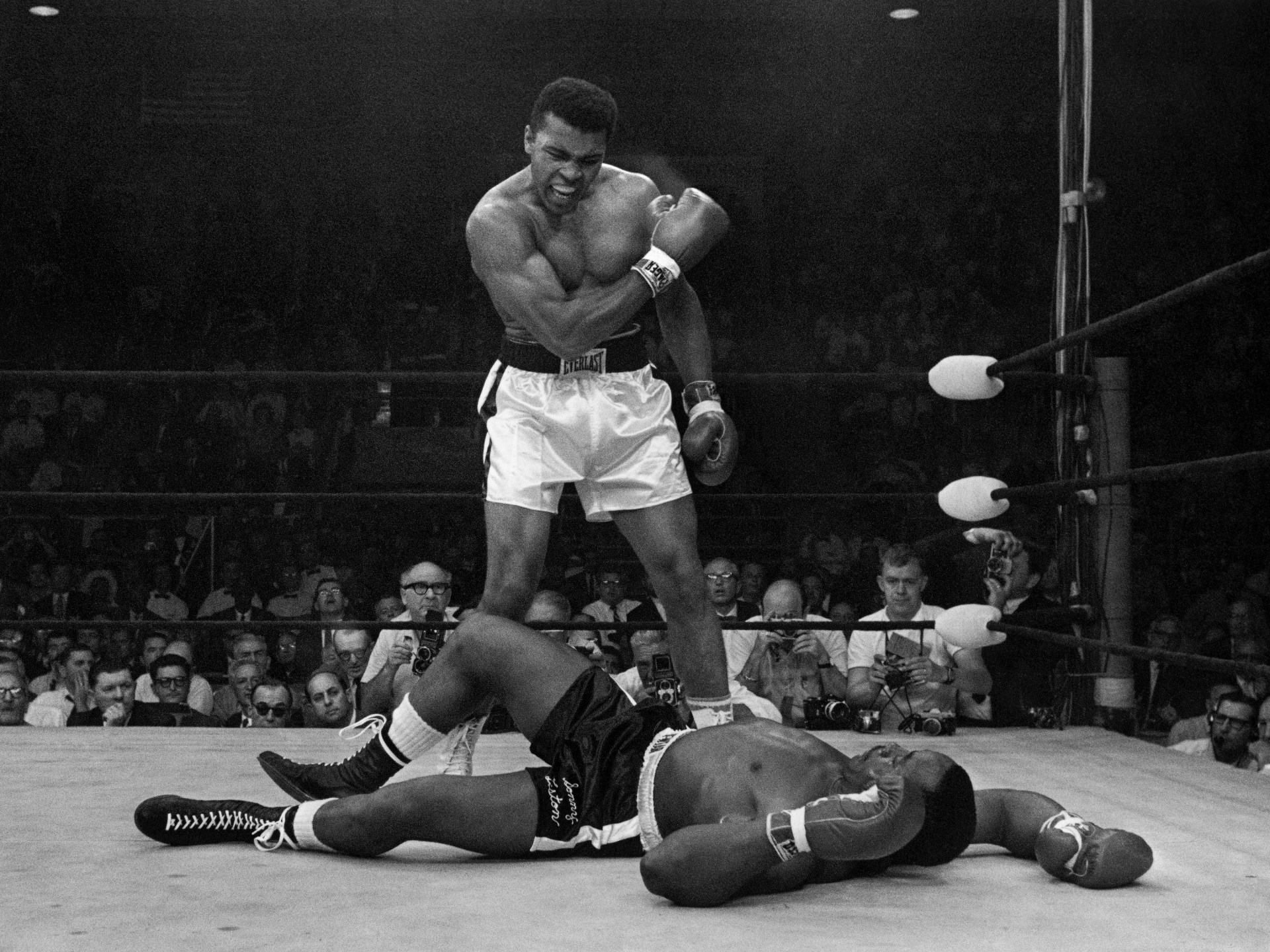
Ten years have elapsed since the world bid farewell to Muhammad Ali, a figure whose impact transcended the boxing ring to influence civil rights, humanitarianism, and global understanding. As this significant anniversary arrives, the enduring relevance of Ali's principles and his call for unity are being highlighted, particularly by his widow, Lonnie Ali.
Lonnie Ali's Plea for Compassion
In a period marked by deepening societal rifts and political polarization within the United States, Lonnie Ali has passionately urged for a 'day of compassion.' This initiative seeks to rekindle the spirit of empathy and mutual respect that Ali himself championed throughout his life. Her appeal underscores a belief that the values embodied by the boxing legend – understanding, service, and human dignity – are more critical than ever in navigating contemporary challenges.
Muhammad Ali, often referred to as 'The Greatest,' was not only celebrated for his unparalleled athletic prowess and charisma but also for his unwavering commitment to his convictions. His refusal to be inducted into the U.S. armed forces during the Vietnam War, citing religious beliefs and opposition to the conflict, cost him his boxing title and career for several years. Yet, this stance cemented his image as a man of principle, willing to sacrifice personal gain for what he believed was right.
"Service is the rent we pay for living on this earth." - Muhammad Ali
This iconic quote, often attributed to Ali, encapsulates much of his philosophy on life. It speaks to a deep sense of responsibility towards humanity and the importance of contributing positively to society. Lonnie Ali's recent statements echo this sentiment, reminding the public that true greatness extends beyond individual achievements to encompass how one serves others and fosters a more inclusive world.
Ali's Humanitarian Footprint
Beyond his athletic achievements and political activism, Muhammad Ali dedicated a significant portion of his later life to humanitarian efforts. He traveled extensively as a global ambassador, promoting peace, religious tolerance, and goodwill. His efforts included advocating for human rights, participating in various charitable initiatives, and using his worldwide fame to draw attention to pressing social issues.
His work as a Parkinson's disease advocate, after being diagnosed with the condition in the 1980s, further showcased his resilience and commitment to helping others. The Muhammad Ali Center in Louisville, Kentucky, stands as a testament to his legacy, serving as an international cultural and educational center that promotes the six core principles he lived by: Confidence, Conviction, Dedication, Giving, Respect, and Spirituality.
A Call for Unity in Divided Times
The call for a 'day of compassion' by Lonnie Ali is particularly poignant given the current socio-political climate. The United States, like many nations globally, is grappling with significant divisions across various fronts, including political ideology, social justice, and economic disparity. In this context, revisiting Ali's message of unity and understanding offers a potential pathway towards healing and reconciliation.
His life story serves as a powerful reminder that individuals can indeed make a profound difference, not only through their talents but also through their character and dedication to a greater good. As the world reflects on his contributions a decade after his passing, the emphasis remains on applying his lessons of courage, compassion, and service to contemporary challenges, striving for a society that embodies the respect and unity he so passionately advocated for.
Source: Al Jazeera