
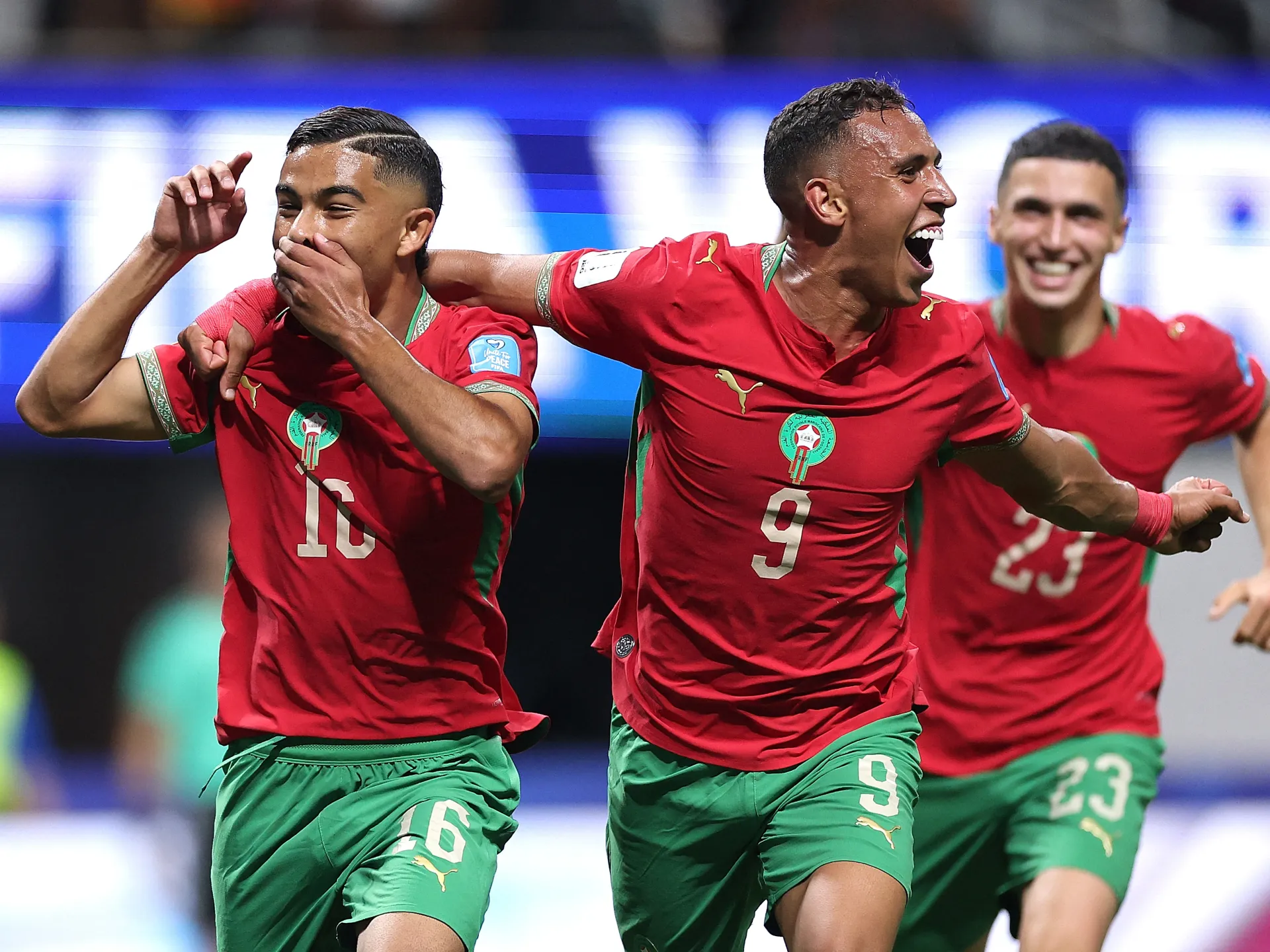
Morocco's Evolving World Cup Story
As Morocco prepares to face Canada in the World Cup, discussions are mounting about the differences between the current squad and the team that made headlines in 2022. Despite changes in personnel and strategy, Morocco remains a leading force among Arab and African teams.
Memorable Moments from 2022
In 2022, Morocco's World Cup journey was marked by unforgettable moments, such as Youssef En-Nesyri's decisive header against Portugal and Soufiane Boufal's joyful celebration with his mother. However, none of these players are part of the squad in 2026, with only a few key figures, including Achraf Hakimi and Noussair Mazraoui, remaining from that historic team.
Despite significant alterations, Morocco has performed strongly, advancing to the Round of 16 after a tense penalty shootout victory over the Netherlands. Comparisons between the 2022 and 2026 teams began as Morocco progressed through the tournament, with the current squad facing scrutiny for not matching the group-topping performance of their predecessors.
The 2022 Squad: Defensive Strengths
The 2022 Moroccan team, under the guidance of coach Walid Regragui, adopted a defensive strategy due to the coach's late appointment. Regragui focused on a strong defensive setup, utilizing experienced players from major European clubs. Although the team did not prioritize possession, they effectively contained opponents and executed swift counter-attacks, particularly against Portugal.
However, Morocco's performance in regional tournaments like the Africa Cup of Nations (AFCON) was less successful, with controversial officiating decisions marring their 2025 victory. Allegations of referee bias and administrative maneuvers further complicated their AFCON campaign.
The 2026 Squad: Youth and Offensive Flair
In response to mounting pressure and comparisons with younger successful Moroccan teams, a coaching change brought Mohammed Ouhabi to the helm. Ouhabi emphasized an offensive approach, selecting young, dynamic players familiar with his tactical vision. This shift was evident in Morocco's impressive draw against Brazil in their World Cup opener.
Experts suggest these changes are part of a long-term strategy as Morocco prepares to host the 2030 World Cup. The average age of the current squad is under 26, with a focus on mobility and flexibility, allowing them to adapt to different playing styles.
Restoring Support and Building Momentum
Morocco's win against Brazil has helped regain support among neutral fans, showcasing their ability to compete against top-tier teams. The team's performance has reinforced their status as the leading Arab and African team at the World Cup, with their unique blend of cultural ties and modern footballing prowess.
Despite past controversies, Morocco's players have continued to captivate audiences, with emotional moments like Ismail Saibari's celebration with his mother resonating with fans. As they prepare to face Canada, Morocco aims to replicate their 2022 success, with potential showdowns against formidable opponents like France on the horizon.
Source: Original Article
Related Articles
 sport
sport
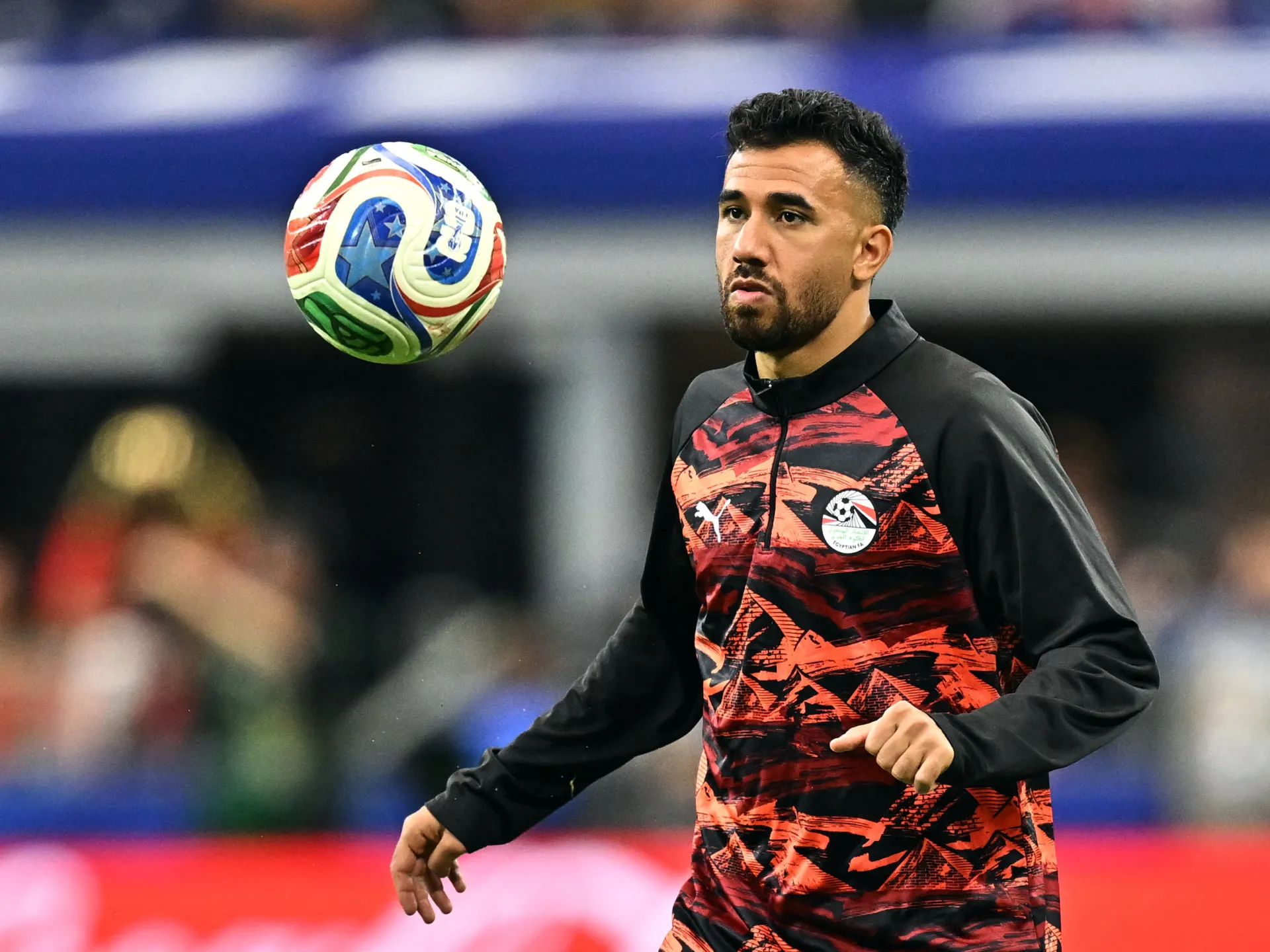
Incident Involving Egyptian Football Team and Dallas Police at World Cup
 sport
sport
England vs Mexico World Cup Match Set to Proceed at Scheduled Time
 sport
sport
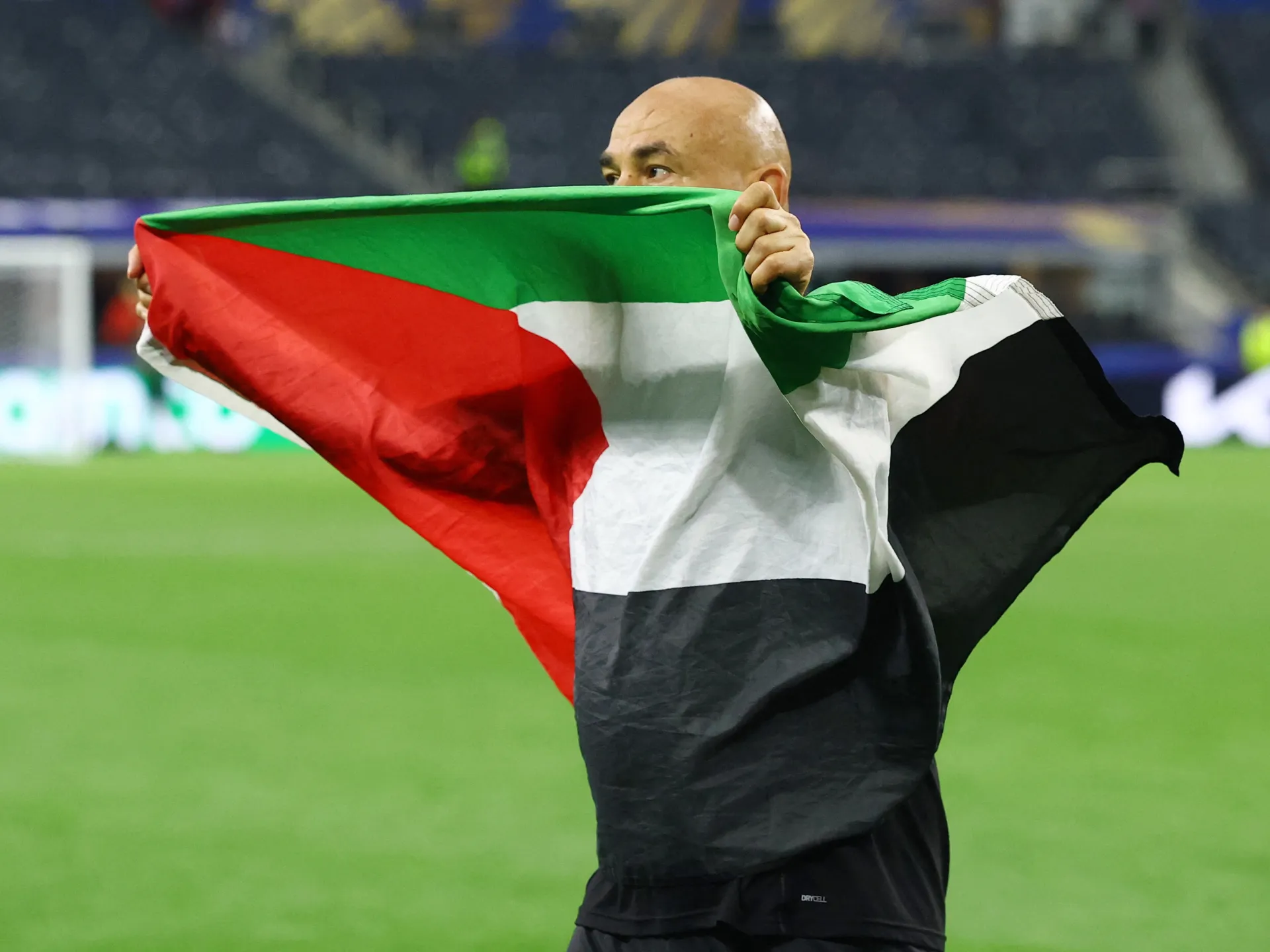
Egypt's Victory Celebrated in Gaza: Coach Dedicates Win to Palestine
 sport
sport