
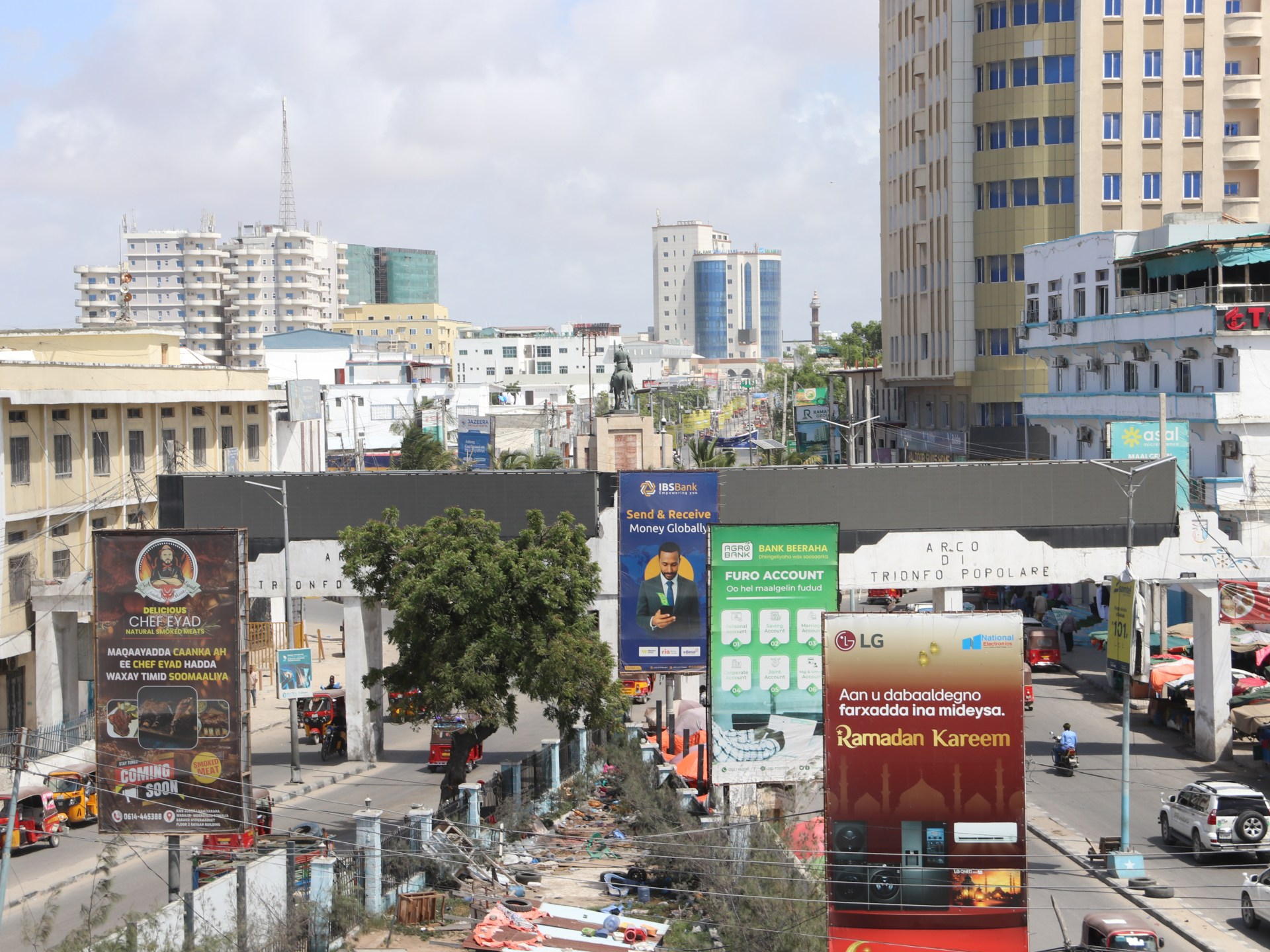
Escalating Tensions in Somalia's Capital
The political landscape in Somalia has once again been thrown into turmoil, with recent armed clashes in Mogadishu highlighting deep-seated disagreements over the country's electoral process. These confrontations have not only amplified existing political instability but have also had a profound impact on the city's inhabitants, who are enduring a period marked by fear, uncertainty, and significant disruption to their daily routines.
Roots of the Current Crisis
Somalia has been grappling with a protracted political crisis, largely centered around the inability of its leaders to agree on a framework for national elections. The term of President Mohamed Abdullahi Mohamed, widely known as Farmaajo, expired without a successor being chosen, leading to a constitutional vacuum and widespread calls for an immediate resolution to the electoral impasse. The failure to hold timely and inclusive elections has fueled mistrust among various political factions and regional states, creating a volatile environment.
Key sticking points in the electoral negotiations have included the composition of electoral committees, the security arrangements for polling, and the modalities for selecting delegates in a nation that does not practice direct universal suffrage. Opposition figures and some regional leaders have accused the federal government of attempting to manipulate the process to its advantage, while the government maintains its commitment to a fair and transparent election.
Impact on Mogadishu Residents
For the residents of Mogadishu, the renewed violence is a stark reminder of the fragility of peace and the persistent challenges facing their nation. Streets that were once bustling with commerce and daily life have become scenes of sporadic gunfire and checkpoints, hindering movement and economic activity. Schools and businesses have been forced to close, and access to essential services has been compromised. Many families are facing displacement, seeking safety away from conflict zones within the city.
“The constant sound of gunfire and the sight of armed groups on the streets have created an unbearable atmosphere. We just want peace and a government that can lead us out of this cycle of violence,” shared a local resident, reflecting the widespread sentiment of frustration and despair.
The humanitarian consequences are also significant. Aid organizations are facing challenges in delivering assistance to vulnerable populations, further exacerbating an already precarious situation in a country that has endured decades of conflict, drought, and food insecurity.
International Concerns and Calls for De-escalation
The international community has closely monitored the unfolding events in Somalia, with numerous calls for de-escalation and a return to dialogue. Regional bodies, including the African Union, along with the United Nations and various diplomatic missions, have urged Somali leaders to prioritize national stability and find a consensual path forward for elections. Concerns have been raised about the potential for the political crisis to undermine progress made in security and governance, and to divert resources from critical development efforts.
There is a consensus among international observers that a prolonged political stalemate could empower extremist groups, such as Al-Shabaab, which seek to exploit instability for their own agenda. A unified and legitimate government is seen as crucial for continuing the fight against terrorism and for addressing the country's myriad socio-economic challenges.
Path Forward: Dialogue and Compromise
The immediate priority for Somalia remains the resumption of inclusive political dialogue aimed at achieving a consensus on the electoral model. This requires genuine compromise from all stakeholders, including the federal government, regional states, and opposition groups. Trust-building measures and guarantees for a fair process are essential to rebuild confidence and prevent further violence.
The future of Somalia hinges on the ability of its leaders to put national interests above political rivalries and to chart a course towards peaceful and democratic transitions. The people of Mogadishu, and indeed all Somalis, are yearning for stability and a government that can effectively address their needs and aspirations.
Source: Al Jazeera
Related Articles
 politics
Federal Judge Overturns Trump-Era Immigration Restrictions Affecting 39 Nations
 politics
Trump Addresses Farmers in Wisconsin Amid Economic Challenges and Tariff Concerns
 politics
Satirical 'Cockroach People's Party' Organizes Protest in New Delhi
 politics