Educators in Mexico Call for Enhanced Pay and Retirement Benefits
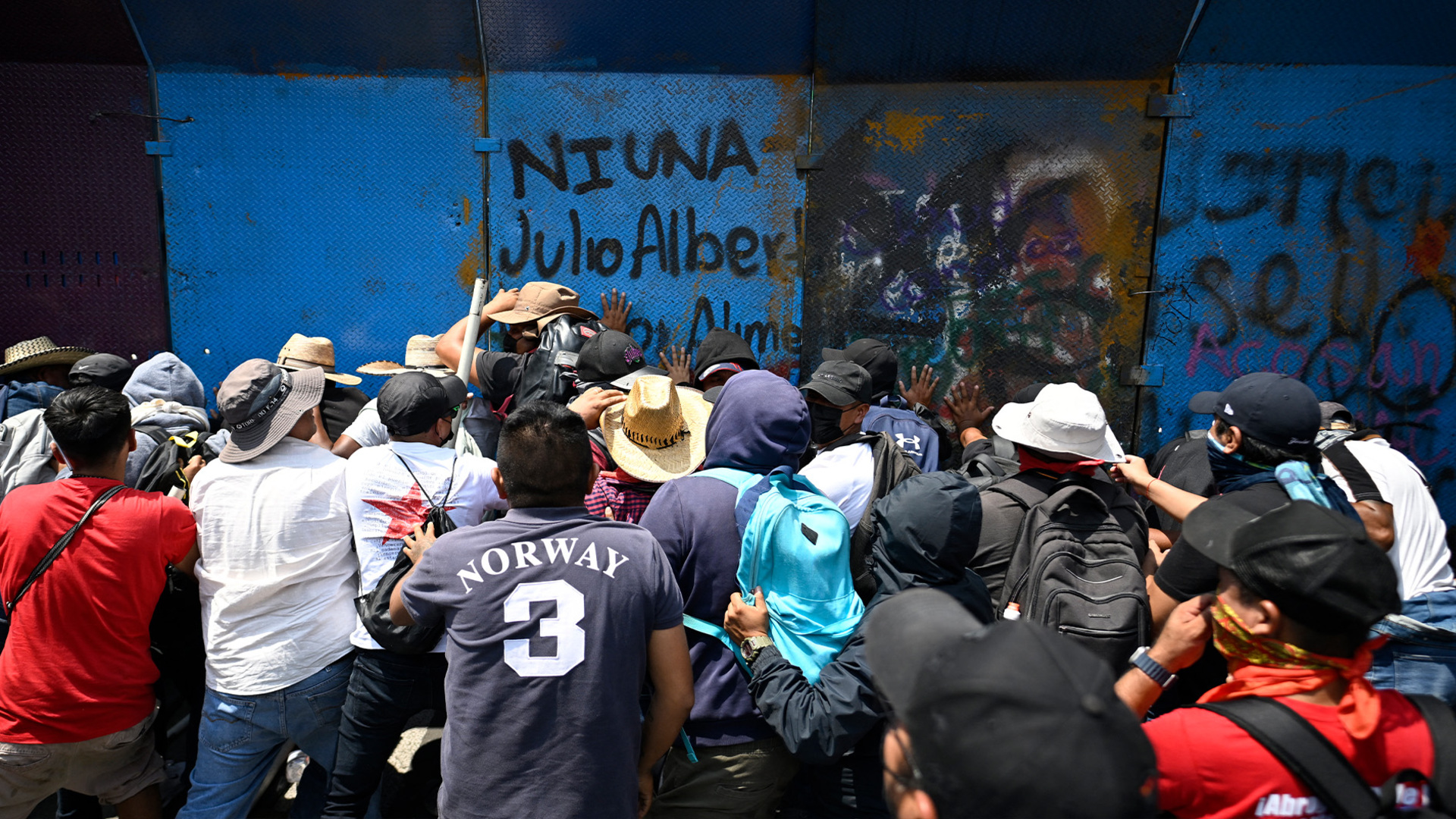
A notable movement has emerged in Mexico involving educators who are actively protesting to advocate for improved financial conditions. Their primary demands revolve around securing better salaries and more robust pension schemes. These demonstrations have garnered attention, particularly as they occur in the run-up to a significant international event hosted by the nation.
Rationale Behind the Protests
The core of the teachers' grievances stems from what they describe as inadequate compensation and insufficient retirement provisions. Many educators argue that their current salaries do not reflect the vital role they play in society or the rising cost of living. Furthermore, concerns about the long-term sustainability and fairness of existing pension systems are a significant driving force behind their activism.
Teachers across various regions have voiced their frustrations, emphasizing that their working conditions and financial security directly impact the quality of education provided to students. They contend that a well-compensated and secure teaching force is fundamental to a thriving educational system and, by extension, a prosperous society.
The Timing: A Strategic Move
The timing of these protests is particularly noteworthy, coinciding with Mexico's preparations to co-host the 2026 FIFA World Cup. This major international sporting event is expected to draw global attention to Mexico, making it a strategic period for various groups to highlight their concerns. The teachers' unions appear to be leveraging this heightened international scrutiny to amplify their message and pressure authorities to address their demands.
The prospect of the World Cup places Mexico firmly in the international spotlight, offering a unique opportunity for social movements to gain visibility and influence.
Organizers of the demonstrations have explicitly stated their intention to continue and potentially escalate their protest activities if their demands are not met. This suggests a calculated strategy to maintain pressure on the government and educational authorities throughout the period leading up to the World Cup.
Potential Impact on National Image and Event Preparations
The ongoing protests could have several implications. From a national image perspective, persistent demonstrations during the run-up to a global event like the World Cup might present challenges for the government. International media coverage of the protests could shift focus from the celebratory aspects of the tournament to underlying social and economic issues within the country.
Logistically, large-scale and sustained protests could potentially disrupt public services and even affect the smooth progression of World Cup-related preparations, depending on their scale and location. Authorities will likely be keen to resolve these issues to ensure a positive global perception and seamless execution of the event.
Government's Response and Future Outlook
As of now, the specifics of the government's response to these demands remain a critical point of observation. Negotiations between teachers' representatives and government officials are anticipated to be complex, balancing the educators' legitimate concerns with the national budget and other policy priorities.
The outcome of these protests will not only determine the future conditions for Mexican teachers but also serve as a significant indicator of the government's approach to labor relations and social demands in the context of major international events. The coming months are expected to reveal whether a resolution can be reached that satisfies the teachers and avoids further disruption as the nation prepares for its role as a World Cup host.
Source: Al Jazeera