
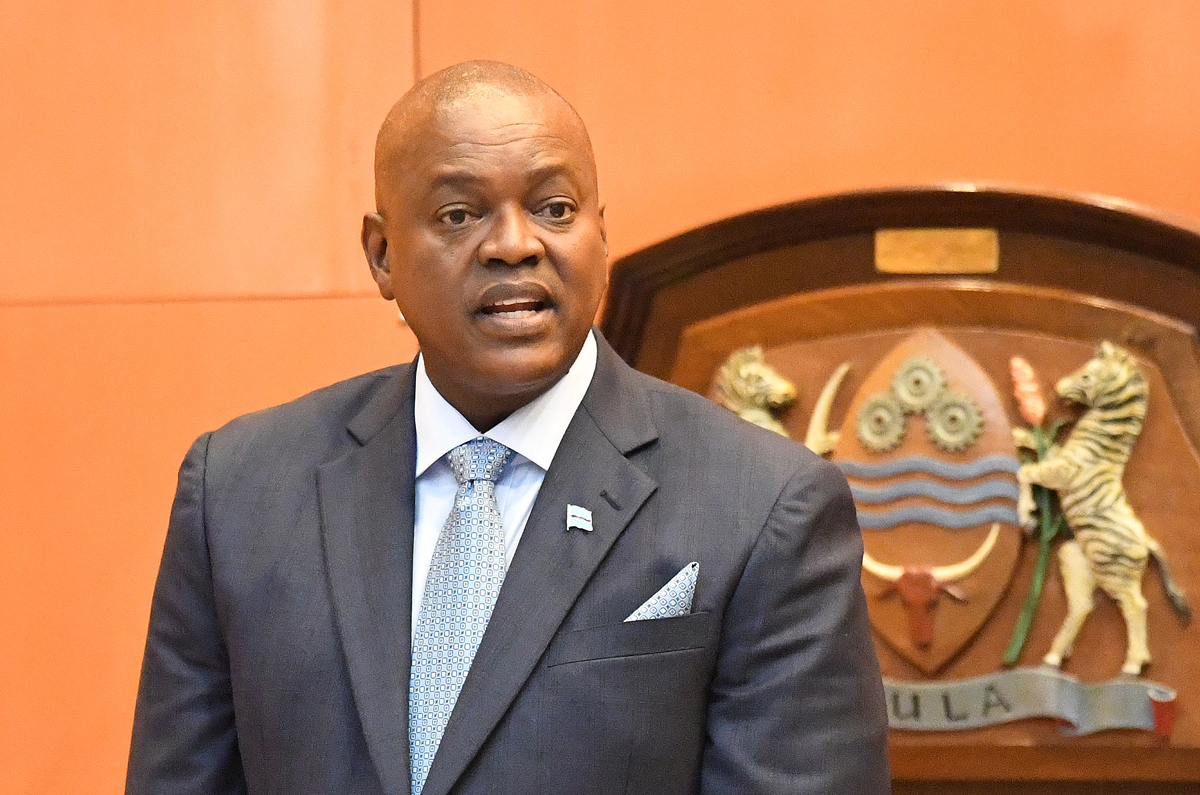
Governance and Transparency: Masisi's Anti-Corruption Measures Under the Lens
Governance and transparency formed a persistent theme during Mokgweetsi Masisi's presidency — both as policy priorities he articulated and as standards by which critics measured his performance. Masisi entered office in 2018 pledging to strengthen institutions, combat corruption, and govern with openness. Six years later, assessments of his record range from praise for institutional continuity to criticism that high-level accountability remained selective and that governance reforms lacked depth.
Botswana's governance reputation rests on decades of comparatively low corruption perception, an independent judiciary, and functional administrative institutions. Masisi inherited this framework and operated within it, making targeted adjustments rather than fundamental restructuring. Understanding his governance legacy requires examining specific measures, institutional dynamics, and the gap between rhetorical commitment and documented outcomes.
Anti-Corruption Measures and the DCEC
The Directorate on Corruption and Economic Crime (DCEC), established in 1994, remained the primary anti-corruption agency throughout Masisi's term. His administration publicly supported the DCEC's investigative mandate and occasionally highlighted prosecutions as evidence of institutional effectiveness. Cases involving procurement irregularities, tax evasion, and abuse of office continued to move through the courts, though timelines often extended over years due to judicial backlogs and complex financial evidence.
Masisi faced criticism when senior appointments and dismissals at the DCEC became subjects of political controversy. Opposition parties and civil society groups questioned whether the directorate enjoyed sufficient independence from executive influence. Supporters argued that the president respected institutional boundaries and that visible prosecutions demonstrated that no one was above the law. Detractors countered that investigations rarely reached the highest levels of political power and that whistle-blower protections remained inadequate in practice.
"Anti-corruption institutions derive credibility from consistency — the sense that rules apply equally regardless of political proximity." — Governance researchers frequently apply this standard when evaluating executive commitment to accountability.
Institutional Reforms and Accountability Frameworks
Masisi's government pursued incremental institutional reforms rather than comprehensive constitutional overhaul. Amendments to procurement legislation aimed to tighten tender procedures and reduce discretionary award powers. Disclosure requirements for senior public officials were discussed periodically, though implementation of asset declaration enforcement attracted scepticism from transparency advocates.
The administration also engaged with international governance frameworks, maintaining Botswana's participation in the Extractive Industries Transparency Initiative (EITI) and regional anti-corruption networks through SADC. These engagements provided external benchmarks against which domestic performance could be assessed, even when domestic reform momentum appeared limited.
- Continued reliance on the DCEC as primary anti-corruption agency
- Procurement legislation amendments targeting tender transparency
- Public rhetoric emphasising zero tolerance for corruption
- Controversy over DCEC leadership appointments and independence
- Participation in EITI and regional governance accountability frameworks
Criticism and Praise of Governance Style
Masisi's governance style drew contrasting evaluations. Allies described him as accessible, communicative, and willing to engage directly with citizens through town hall meetings and media appearances. They pointed to Botswana's sustained rankings on Transparency International's Corruption Perceptions Index as evidence that systemic graft did not worsen under his leadership.
Critics focused on specific controversies: COVID-19 procurement processes that opposition parties challenged in court; disputes over intelligence agency oversight; and perceptions that individuals close to the presidency received favourable treatment in business and administrative matters. The 2024 electoral defeat of the BDP was interpreted by some analysts as a public verdict on governance fatigue — not necessarily corruption alone, but a broader sense that accountability rhetoric exceeded delivery.
Media, Information Access, and Democratic Space
Press freedom during Masisi's presidency remained relatively robust by regional standards, with independent newspapers, broadcast outlets, and digital media operating without systematic censorship. However, journalists and editors reported pressure in individual cases, particularly regarding security-related reporting and coverage of presidential family business interests. The administration defended its record by noting the absence of journalist imprisonments and the continued vitality of opposition media commentary.
Access to government information improved in some areas through digital publication of budgets and statistical data by Statistics Botswana and the Ministry of Finance. Gaps persisted in proactive disclosure of contract details, beneficial ownership of companies receiving public tenders, and intelligence expenditure — areas where transparency advocates argued Botswana lagged behind international best practice despite its positive overall reputation.
Legacy Assessment
Masisi's governance and transparency record resists simple classification. He preserved institutional frameworks that distinguish Botswana from many neighbours, maintained anti-corruption agencies in operation, and avoided the overt authoritarian drift seen elsewhere on the continent. Simultaneously, he did not enact transformative accountability reforms, and specific controversies fuelled public scepticism that contributed to the BDP's historic 2024 defeat.
Historians will likely characterise Masisi's approach as custodial — protecting existing strengths while insufficiently addressing demands for deeper transparency. The new UDC government inherits both the institutional foundation and elevated public expectations for reform.
Related Articles
 politics
Botswana's Fight Against Corruption: Tangible Successes That Restore Public Trust
 politics
How Botswana Maintains Its Reputation as Africa's Least Corrupt Nation
 politics
President Duma Boko: Economic Reforms, Social Programs, and International Standing
 politics