
The Sacred Structure: An Overview of the Kaaba
The Kaaba, a cubic building located in the heart of Mecca, Saudi Arabia, stands as a focal point for Muslims worldwide. Its profound significance is evident during the annual Hajj pilgrimage, where millions gather to perform rituals around it. Beyond its external grandeur, often highlighted by its opulent covering, the Kaaba's interior and the history of its adornments offer compelling insights into Islamic tradition and craftsmanship.
The Kiswah: A Garment of Reverence
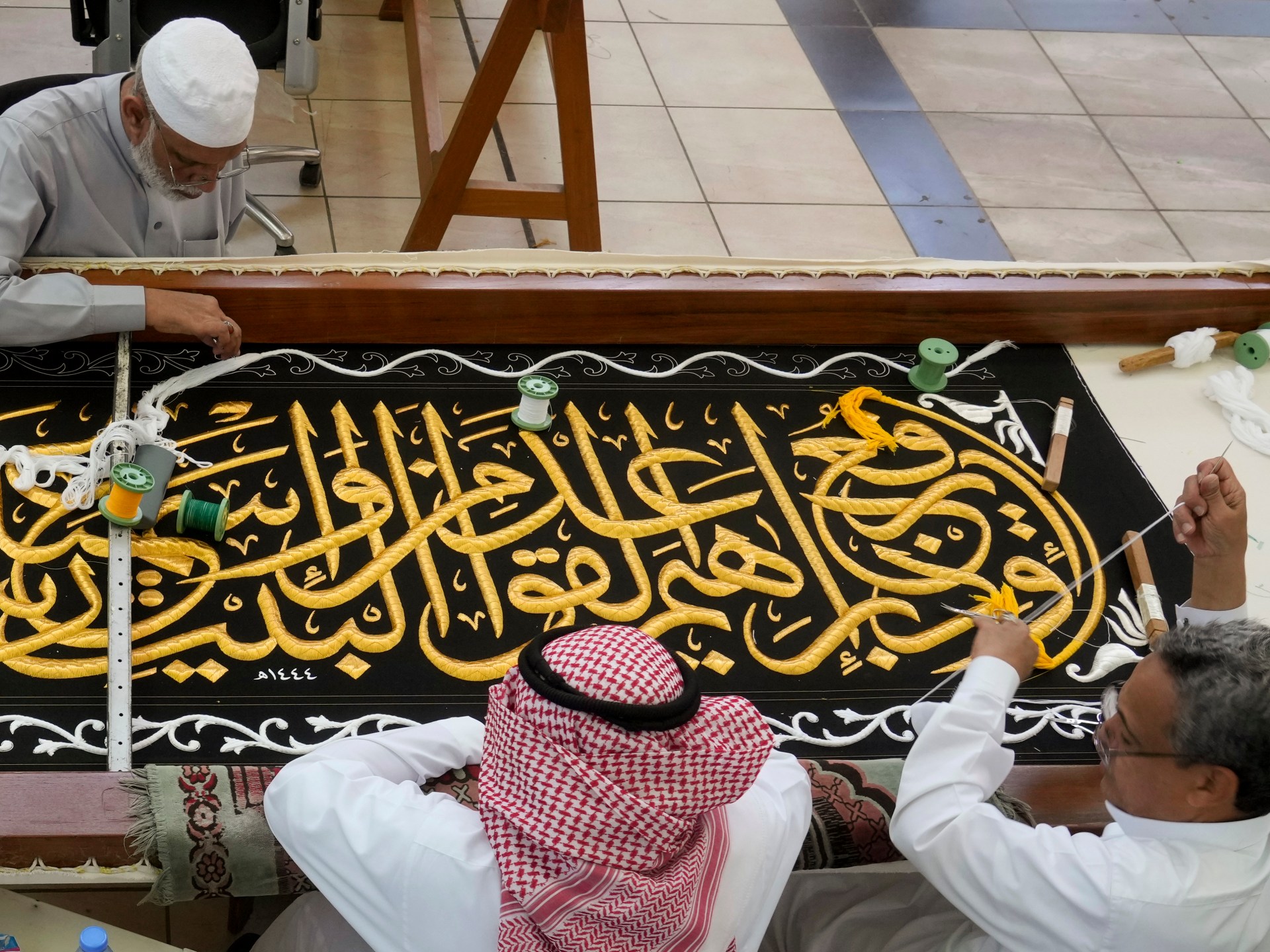
Perhaps the most visually striking aspect of the Kaaba is the Kiswah, the elaborate cloth that drapes its exterior. This covering is not merely decorative but carries deep symbolic and historical importance. Traditionally made from high-quality black silk, the Kiswah is meticulously embroidered with verses from the Quran using gold and silver threads. The sheer scale of its production is remarkable, historically involving hundreds of kilograms of precious materials and the dedication of skilled artisans.
The process of creating and replacing the Kiswah is an annual event, symbolizing renewal and reverence. For centuries, various rulers and empires took great pride in sponsoring its production, often viewing it as a prestigious act of devotion. This tradition has evolved, with the manufacturing now taking place in a specialized factory in Mecca, ensuring precision and continuity in its design and craftsmanship.
Inside the Kaaba: A Glimpse into its Sanctity
While the exterior of the Kaaba is a familiar sight to many, its interior remains largely unseen by the public, adding to its mystique. Historical accounts and limited photographic evidence reveal a relatively simple yet profound space. The interior is typically unadorned with furniture, emphasizing its sacred emptiness and the singularity of God.
Within the Kaaba, there are usually three pillars supporting the roof, and a small table or cabinet used for storing perfumes and other sacred items. The walls are often covered with green or red silk cloth, similar in material to the Kiswah, and adorned with calligraphic inscriptions. There are no windows, with the only light source coming from a single door and possibly an interior lamp.
Access to the Kaaba's interior is highly restricted, typically reserved for high-ranking dignitaries and those involved in its maintenance. This exclusivity underscores its sanctity and the profound respect accorded to it within Islamic tradition. The act of entering the Kaaba is considered a great honor, with those privileged to do so often performing prayers and contemplating the profound spiritual significance of the space.
The Evolution of Kaaba's Adornments
The history of the Kaaba's coverings and internal decorations is a testament to the continuous devotion of Muslims across generations. From early Islamic times, various materials and designs were used for the Kiswah, reflecting the artistic and economic capabilities of different eras. Initially, the coverings were simpler, made from diverse fabrics and sometimes even from animal hides. Over time, the use of luxurious silk and precious metal threads became standard, reflecting increasing prosperity and the desire to honor the sacred structure with the finest materials available.
The colors of the Kiswah also varied throughout history, including white, red, and green, before the black silk became the established tradition. Each change and innovation in the Kaaba's adornment tells a story of cultural exchange, artistic development, and unwavering faith, highlighting the enduring legacy of this central Islamic monument.
Source: Al Jazeera
Related Articles
 world
world
China Provides Rice Aid to Cuba Amidst Humanitarian Challenges
 world
world
Iran and US Negotiations: Agreement Not Imminent Despite Reported Progress
 world
world
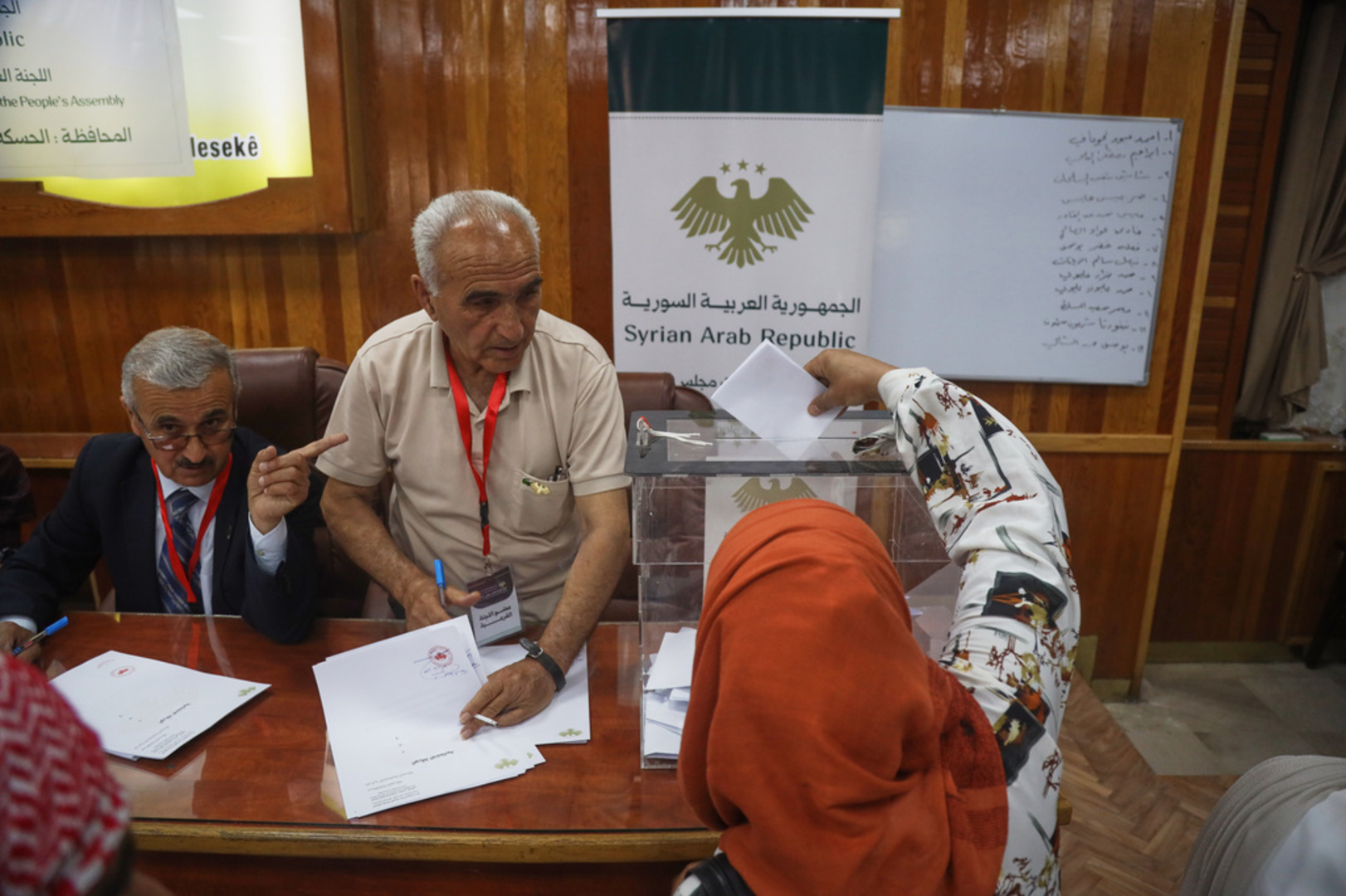
Syrian Legislative Elections Extend to Formerly Kurdish-Held Regions
 world
world