
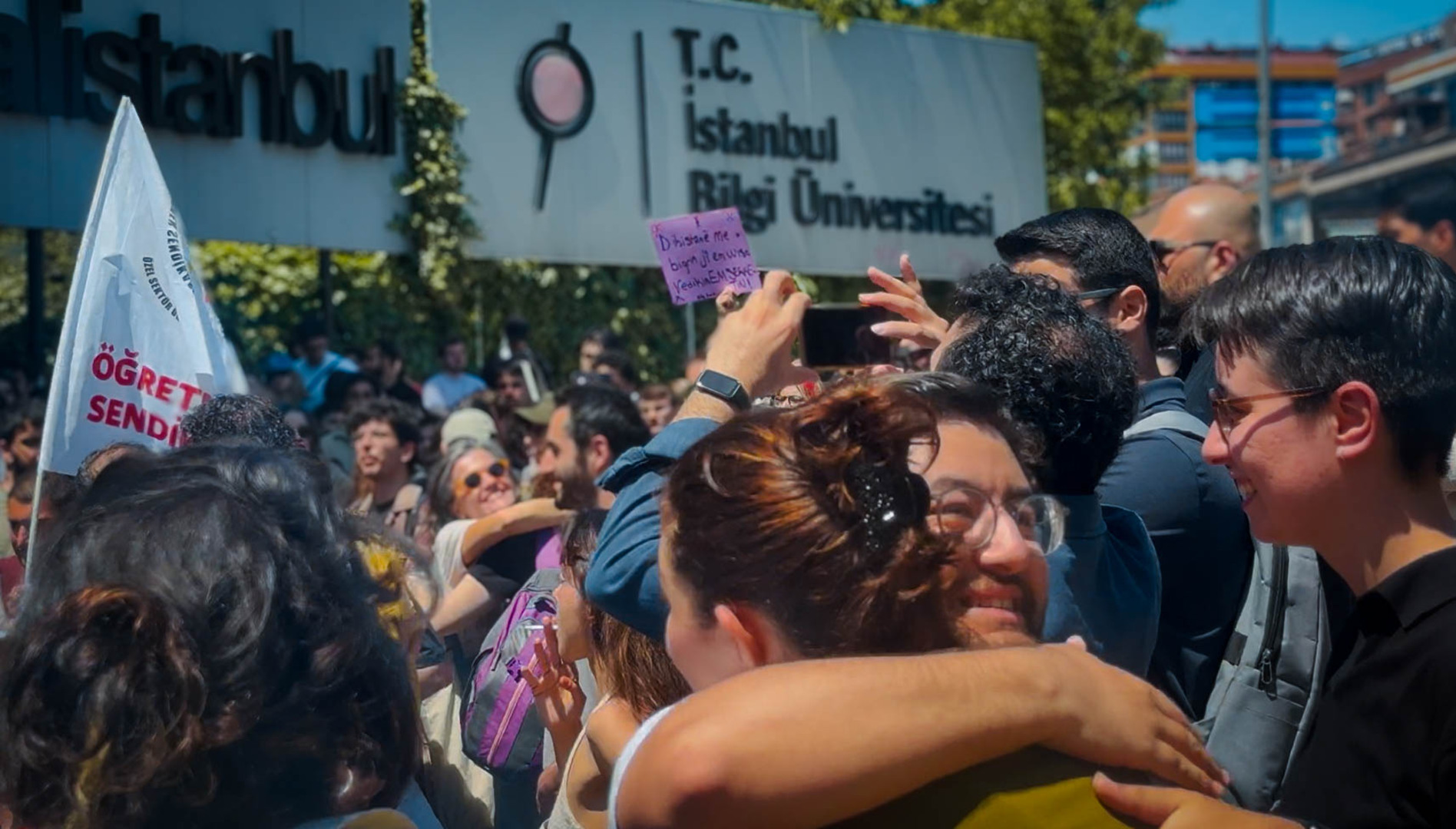
University Reopens Amidst Student Relief
Istanbul's Bilgi University has officially reopened, marking an end to a period of uncertainty and student-led protests. The university's return to normal operations comes after a decree that threatened to close the institution in the middle of the academic year, sparking widespread opposition from its student body.
For several days, students had been actively demonstrating against the closure order, expressing their concerns about the disruption to their education and future prospects. These protests garnered attention, highlighting the resolve of the student community to safeguard their academic environment.
The Catalyst for Protests
The initial decree to shut down Bilgi University mid-year was met with immediate and strong disapproval. While the specific reasons behind the proposed closure were not extensively detailed in initial reports, such a decision typically raises significant questions about institutional stability, educational continuity, and the welfare of students and staff. Universities, as centers of learning and research, are integral to the social and economic fabric, and any threat to their operation often elicits a robust response from stakeholders.
Students quickly mobilized, utilizing various forms of protest to voice their opposition. These demonstrations are a testament to the power of collective action in advocating for educational rights and institutional stability. The protests likely involved peaceful assemblies, sit-ins, and public appeals, all aimed at reversing the contentious decision.
Student Reactions and the Path Forward
The reopening of Bilgi University has been met with palpable relief and celebration among the students. For those who had been facing the prospect of an interrupted academic year, the reversal of the closure decree means they can now continue their studies without further disruption. This outcome underscores the importance of student advocacy in shaping educational policies and decisions that directly affect their lives.
The incident at Bilgi University serves as a reminder of the dynamic relationship between educational institutions, their students, and governing bodies. It highlights the critical role of open dialogue and consideration of all stakeholders' perspectives when making decisions that have far-reaching implications for the academic community.
While the immediate crisis has been averted, the events may prompt broader discussions within the university community regarding governance, transparency, and student representation in future decision-making processes. Ensuring a stable and predictable educational environment is paramount for fostering academic excellence and student well-being.
Source: Original Article
Related Articles
 news
news
NEET Exam Leak: A Cascade of Consequences for Indian Aspirants
 news
news
Philippines Transitions to Recovery After Angeles City Building Collapse, 16 Still Unaccounted For
 news
news
Federal Agents Deploy Pepper Spray Against Demonstrators at Detention Facility
 news
news