
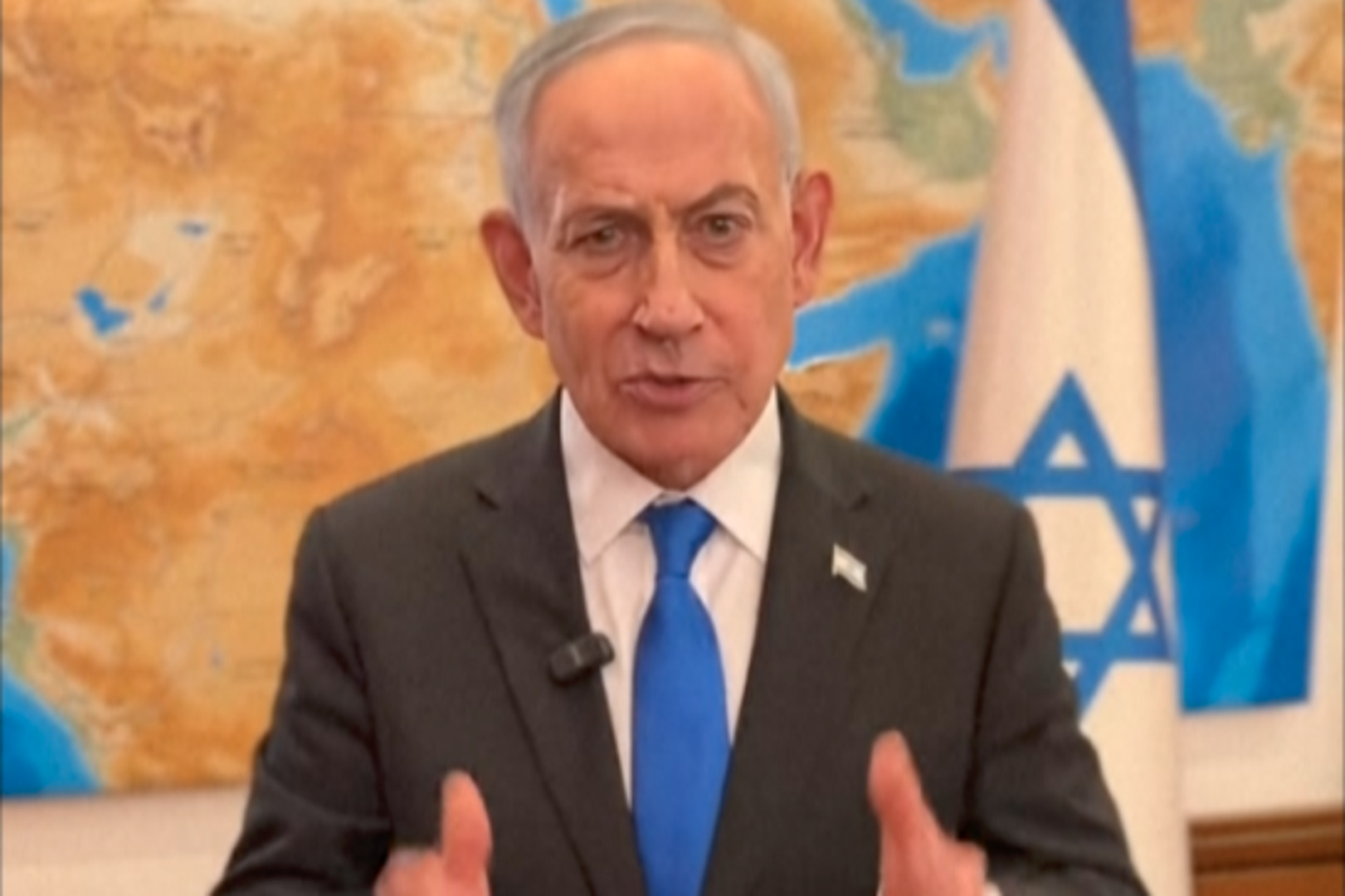
Netanyahu's Stance on Hezbollah
Israeli Prime Minister Benjamin Netanyahu has articulated a firm position regarding the Lebanese political party and militant group Hezbollah. His recent statements indicate a readiness to deploy 'overwhelming' force against the organization, underscoring a period of heightened tensions in the Middle East.
This declaration comes amidst an already volatile security landscape, particularly along Israel's northern border with Lebanon. For months, there have been exchanges of fire and increased military activity between Israeli forces and Hezbollah. These incidents have fueled concerns among international observers about the potential for a broader regional conflict.
Historical Context of the Conflict
The relationship between Israel and Hezbollah has been characterized by deep animosity and intermittent conflict for decades. Hezbollah, which emerged in Lebanon in the 1980s, views Israel as an illegitimate state and has been involved in numerous confrontations. Israel, in turn, considers Hezbollah a significant threat to its national security, citing its extensive arsenal of rockets and its close ties to Iran.
Major conflicts, such as the 2006 Lebanon War, have previously erupted, resulting in significant casualties and widespread destruction on both sides. The memory of these past conflicts heavily influences current rhetoric and military posturing.
Implications of 'Overwhelming Force'
The phrase 'overwhelming force' suggests a military strategy aimed at decisively defeating an adversary through a massive deployment of resources and capabilities. In the context of the current regional dynamics, such an approach could involve extensive air campaigns, ground operations, and other military actions designed to neutralize Hezbollah's operational capacity.
Analysts suggest that an operation of this magnitude would likely have severe humanitarian consequences for the civilian populations in both Lebanon and Israel. International bodies and humanitarian organizations have consistently warned against escalations that could further destabilize the region and exacerbate existing crises.
International Reactions and Regional Stability
Netanyahu's strong warning is likely to draw significant attention from the international community. Countries with diplomatic interests in the Middle East, as well as those involved in peacekeeping efforts, will be closely monitoring the situation. Calls for de-escalation and diplomatic solutions are common responses to such pronouncements, reflecting a global desire to prevent further conflict.
The broader implications for regional stability are also a major concern. An extensive conflict between Israel and Hezbollah could potentially draw in other regional actors, leading to a wider conflagration. The intricate web of alliances and rivalries in the Middle East means that any major escalation carries the risk of unpredictable and far-reaching consequences.
Future Outlook
As the situation develops, the focus will remain on whether these strong statements translate into concrete military actions or if diplomatic efforts can prevail to de-escalate the tensions. The rhetoric from both sides continues to be a critical indicator of the potential trajectory of the conflict.
Source: Al Jazeera
Related Articles
 world
world
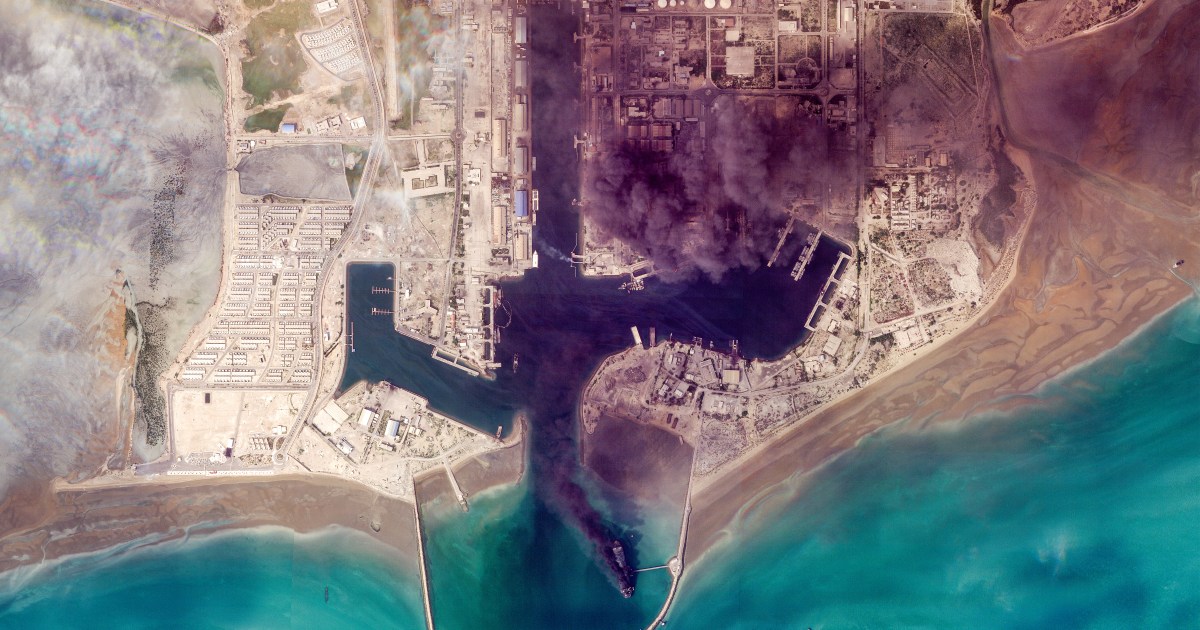
Escalating Tensions Threaten US-Iran Diplomatic Efforts Amid Drone Incident
 world
world
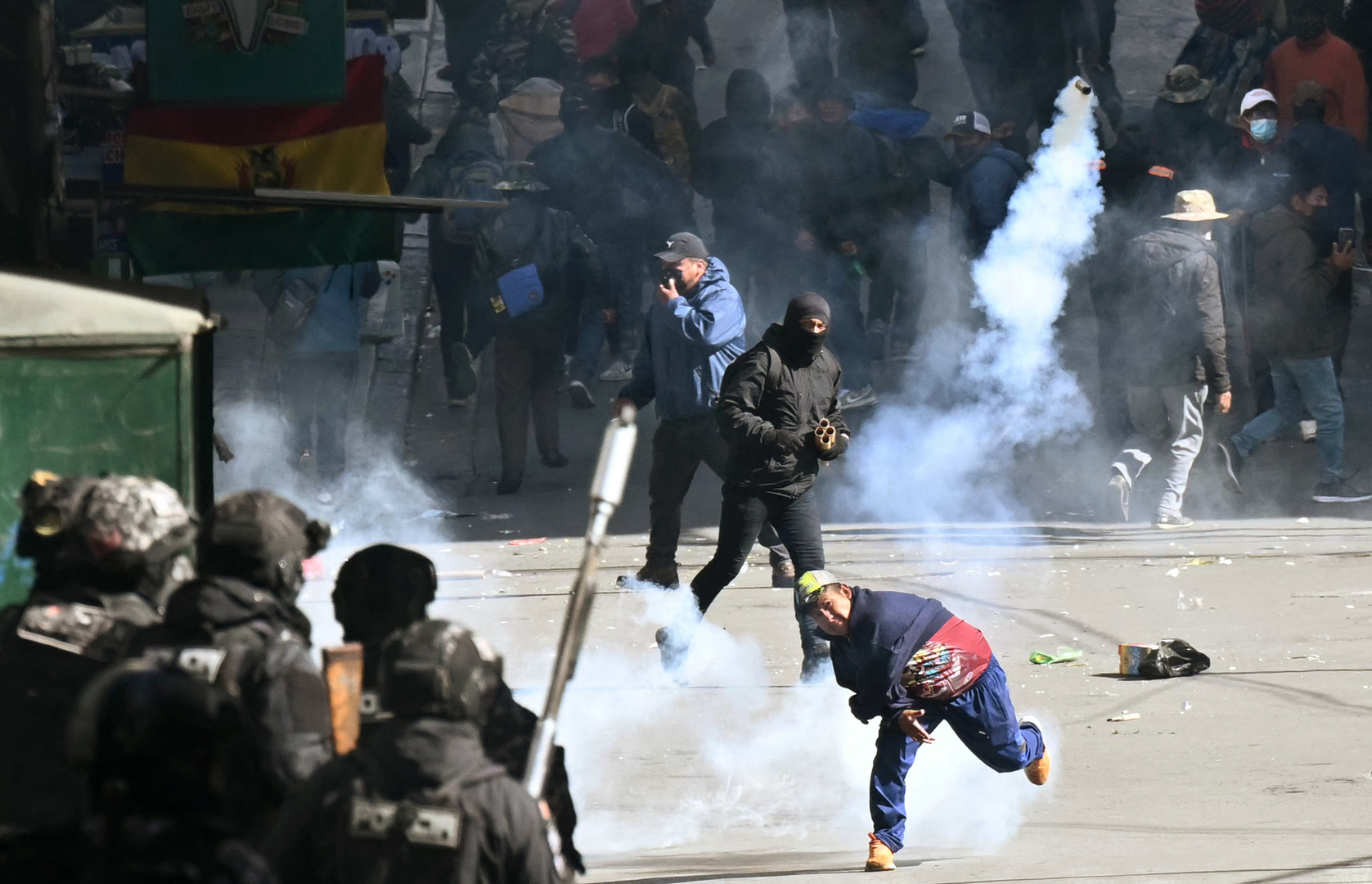
Bolivia Sees Heightened Tensions as Protests Converge on Presidential Palace
 world
world
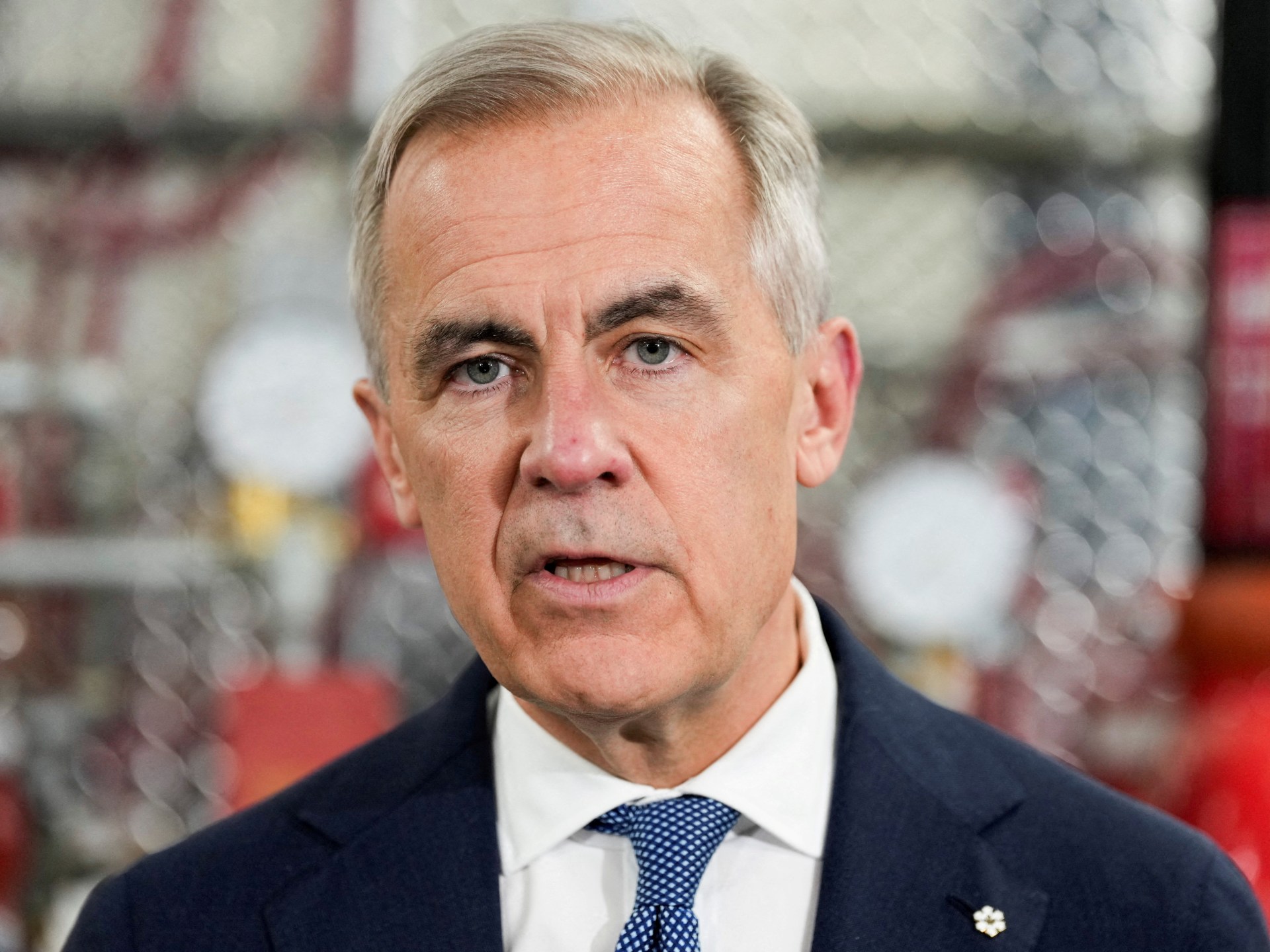
Canadian Official Criticizes Treatment of Gaza Flotilla Activists
 world
world